生物学の複雑性に対応するAI研究システム「Quine」の紹介Introducing Quine: An AI research system designed for the complexity of biology
匿名の公開いいねです。記事の保存・お気に入りではなく、Featured、Top 3、重要度、掲載順位には影響しません。仕組みとプライバシーAnonymous public likes are reactions, not saved articles or bookmarks. They do not affect Featured, Top 3, importance, or listing order.How it works and privacy
- Quineは、生物学の複数のスケールとデータ形式を結び付ける初期段階のマルチモーダル世界モデルです。
- 広範な候補を計算で絞り、科学者が実験前に有望な仮説を優先できるようにします。
- Quine combines diverse biological data across scales in an early-stage multimodal world model.
- It helps scientists rank hypotheses computationally before lab work.
本ページの本文と要約は AI による自動生成です。日本語版と英語版は言語ごとに独立して生成されるため、表現や詳しさが異なる場合があります。正確性は元記事 (microsoft.com) をご確認ください。The body and summaries are AI-generated independently for each language, so wording and detail may differ. Verify accuracy at the original source (microsoft.com).
要約と収集メタデータに基づく AI 解説。元記事全文の転載・翻訳ではありません。AI explainer based on the summaries and collected metadata, not a copy or translation of the full source article.
Quine
Quineは、生物学の複雑性に対応するためのAI研究システムであり、初期段階のマルチモーダル世界モデルとして開発されている。生物学に関する複数のスケールとデータ形式を結び付け、科学者が実験室で作業を始める前に、検討すべき仮説を計算によって絞り込めるようにする研究の取り組みだ。
複数スケール
生物学は、互いに切り離された領域として機能するものではなく、そのAI表現も分断されるべきではないという考えがQuineの基礎にある。異なる生物学的スケールやモダリティから得られる知見を接続し、一つの世界モデルとして扱うことを目指している。多様な生物学的データを横断的に結び付ける点が、システムの中心的な特徴となる。
仮説の優先
Quineは、人間の直感だけで扱える範囲よりもはるかに広い候補空間を、計算によって探索できるよう科学者を支援する。広範な候補の中から仮説を順位付けし、実験へ進める前に有望なものを優先できるようにする仕組みである。これにより、仮説の候補を無差別に扱うのではなく、計算上の探索を通じて検討対象を絞り込めると説明されている。
実験結果
実験室で得られた結果は、Quineを用いる研究の重要なフィードバックになる。計算による探索と仮説の優先付けだけで完結するのではなく、実験結果を受け取ることで、研究者がその後の研究方向をさらに明確にしていく構成とされる。Quineは、この探索、優先付け、実験からのフィードバックを結び付ける初期段階の研究として位置付けられている。
Complexity of biology
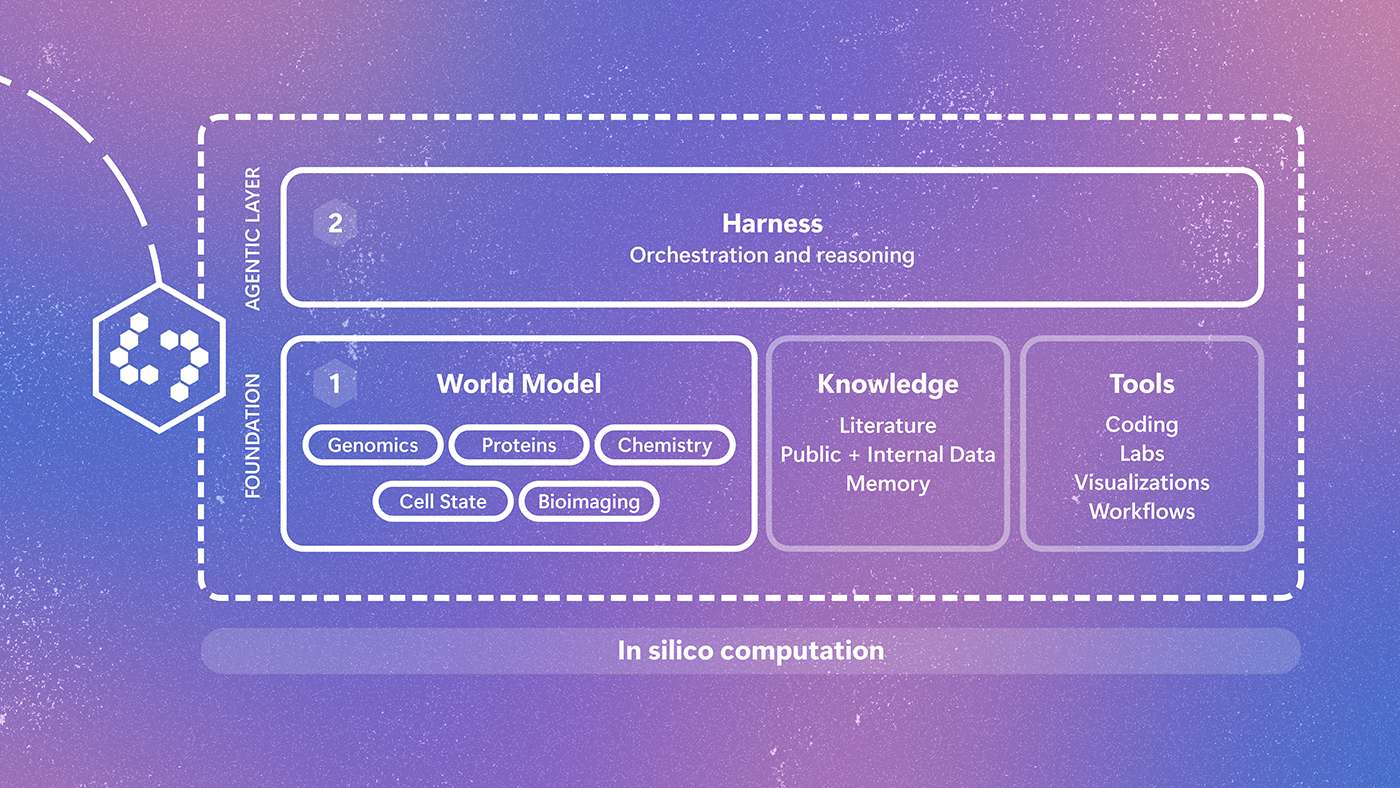
Quine is an early-stage AI research system designed to address the complexity of biology. It matters because biology does not operate in silos, and the AI representation of biology should likewise connect information rather than treat it as isolated.
The research effort aims to create a multimodal world model of biology. Its central purpose is to represent biological complexity by combining diverse biological data and connecting insights that span different scales and modalities.
Across biological scales
Quine links information across biological scales and data formats. This multimodal approach allows scientists to computationally search a space of possibilities that is far larger than intuition alone allows.
The system is intended to support research by bringing these different forms of biological information into a connected model. Rather than limiting the search to one scale or modality, Quine uses their connections to examine a broader set of possible research directions.
Prioritize hypotheses
A key function of Quine is helping scientists narrow a wide range of candidates through computation. The system can rank and prioritize hypotheses before those hypotheses reach the laboratory.
This does not replace laboratory work. Instead, Quine helps researchers identify promising hypotheses in advance, giving them a way to focus experimental attention after searching a larger space computationally. The emphasis is on prioritization: scientists can use the model to decide which possibilities should move forward to experimental investigation.
Experimental results
Experimental results provide feedback to the research process. That feedback can help researchers sharpen future research directions, creating a connection between computational hypothesis prioritization and subsequent experiments.
Quine remains an early-stage research effort. Its described role is to connect biological insights across scales and modalities, search broadly through possible hypotheses, prioritize candidates before laboratory work, and use experimental feedback to refine where research goes next.
ポコとTECHガイドPoko & TECH Guide
ポコと当サイトのTECHガイドが、記事の要約と収集した情報から読みどころを語るAI生成の対話です。Poko and TECH Dashboard's own TECH Guide discuss the article's highlights in an AI-generated conversation based on its summary and collected source details.
- ポコPoko生物学の研究で、普段の仕事は何が変わるの? 実験の前にできることが増えるのかな。What changes in day-to-day biology research? Does this give scientists more they can do before running experiments?
- TECHガイドTECH GuideQuineは多様な生物データを結び付け、広い候補から有望な仮説を計算で優先できるようにするんだ。実験前の絞り込みを助ける仕組みだね。Quine connects diverse biological data and computationally ranks promising hypotheses from a broad search space. It’s designed to help narrow the options before lab work.
- ポコPoko前はできなかったの? 人の直感だけで仮説を選んでいた、ということ?Was that impossible before? Were researchers choosing hypotheses based only on intuition?
- TECHガイドTECH Guideそこまでは断定されていないよ。この記事では、Quineが直感では探しきれないほど広い範囲を計算で検索できる、と説明しているんだ。The post doesn’t go that far. It says Quine can computationally search a space much larger than intuition alone can cover.
- ポコPokoなるほど。いちばんの収穫は、実験を始める前に有望そうな仮説へ順番を付けられることなんだね。Got it. The key takeaway is that scientists can rank the most promising hypotheses before starting lab work.
- TECHガイドTECH Guideそうだね。まだ初期段階だから、実験結果のフィードバックで次の研究方向をどう磨いていくかに注目だね。Right. Since it’s still early-stage, the next thing to watch is how experimental feedback helps refine future research directions.


