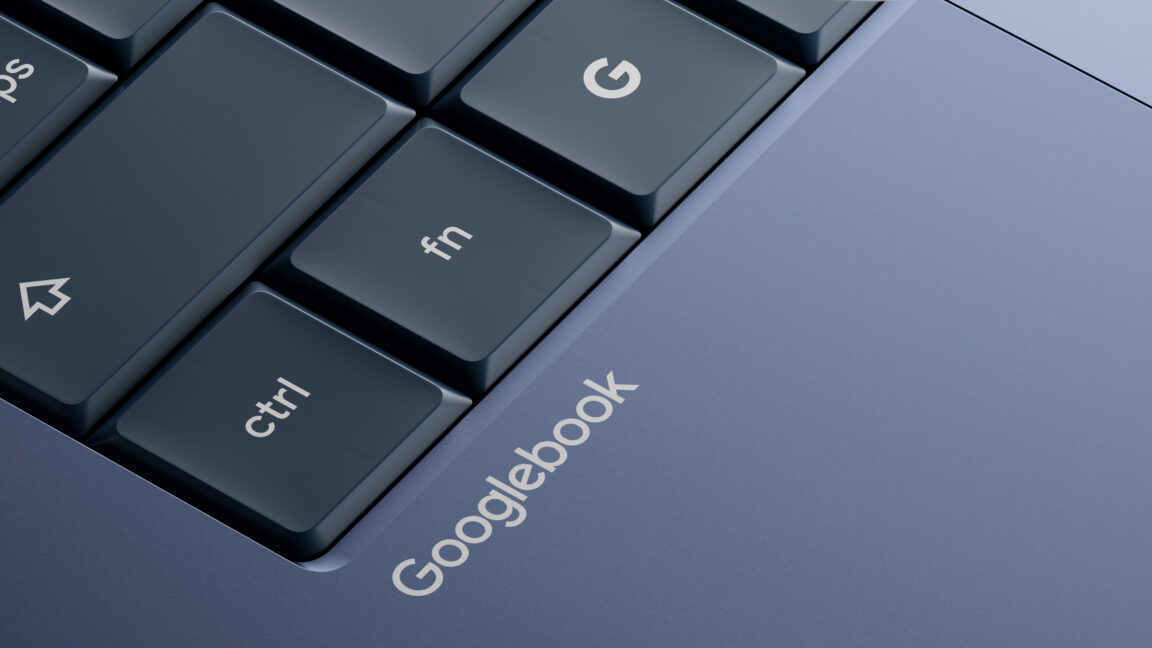
GoogleがAndroid搭載ノートPC「Googlebook」を年内投入へ Google's Android-powered laptops are called Googlebooks, and they're coming this year
- Googleが開発中のAndroidベースのノートPCが「Googlebook」と命名され、年内に登場する見通しとなった。
- ChromeOSとAndroidの統合戦略の一環で、デスクトップ向けAndroidの本格展開を象徴する製品となる可能性がある。
English summary
- Google's upcoming Android-powered laptops will reportedly be branded as Googlebooks and launch this year, marking a major step in the company's plan to merge ChromeOS and Android into a single desktop platform.
Googleが開発中とされるAndroidベースのノートPCシリーズが「Googlebook」というブランド名で年内に登場する可能性があると報じられた。ChromeOSとAndroidを統合する長年の方針が具体的な製品として結実する節目になると見られる。
Googleはこれまで、ノートPC向けOSとしてChromeOSを展開し、Chromebookブランドとして教育市場や低価格帯で成功を収めてきた。一方でAndroidはスマートフォンとタブレットを中心に発展してきたが、近年はタブレットや折りたたみ端末向けに大画面UIの最適化が進められてきた。Androidをデスクトップ環境へと拡張する「Android Desktop Mode」の開発も継続的に伝えられており、今回のGooglebookはその集大成的な製品ラインになる可能性がある。
報道によれば、Googlebookはこれまでの噂段階にあったAndroidノートPCの正式名称となる見込みで、Chromebookブランドとの関係や移行方針については未だ不透明な部分が多い。ChromeOSは内部的にすでにAndroidアプリの実行基盤や一部のLinuxサブシステムを取り込んでおり、両OSの境界は徐々に曖昧になっていた。今回の統合により、開発リソースの集中とアプリエコシステムの一本化が期待されると見られる。
ChromeOSとAndroidの統合戦略の一環で、デスクトップ向けAndroidの本格展開を象徴する製品となる可能性がある。
背景としては、Appleが独自シリコンでMacとiPadのソフトウェア体験を接近させ、Microsoftも Windows on ARMやCopilot+ PCでAIネイティブな新世代ノートPCを推進している点が挙げられる。Googleにとっても、Geminiを中核に据えたAI機能をモバイルとPCの双方でシームレスに提供するには、OS基盤の統合が戦略的に重要となる。Qualcommとの協業によるAndroid PC向けチップ開発も以前から噂されており、ARMアーキテクチャを軸にした新世代ノートPC市場の競争が一段と激しくなる可能性がある。
Google's long-rumored Android-based laptops will reportedly carry the Googlebook brand and arrive before the end of the year, according to a new report. If accurate, the launch would mark a turning point in Google's multi-year effort to merge ChromeOS and Android into a single desktop-class platform.
Google has spent more than a decade running two parallel client operating systems. ChromeOS, paired with the Chromebook brand, became a fixture in education and low-cost computing thanks to its simplicity and web-first model. Android, meanwhile, dominated mobile and has more recently been reshaped for tablets, foldables, and larger screens. Executives at Google have publicly hinted that the underlying technical stack of ChromeOS would shift toward Android, and the Googlebook name appears to be the consumer-facing result of that work.
The report suggests Googlebooks will be the official branding for Android-powered laptops that have been circulating in leaks for some time. What remains unclear is how the Chromebook brand fits into the picture. Google may continue to use Chromebook for education-focused devices while positioning Googlebooks as more premium or AI-centric machines, though that distinction has not been confirmed. ChromeOS already runs Android apps via a containerized runtime and supports Linux workloads, so the line between the two platforms has been blurring for years.
The strategic rationale is straightforward. Apple has been pulling macOS and iPadOS closer together on Apple silicon, while Microsoft is aggressively pushing Windows on ARM and its Copilot+ PC initiative as an AI-first refresh of the laptop category. Google needs a cohesive answer that lets Gemini, its flagship AI assistant, run consistently across phones, tablets, and laptops. Consolidating on Android gives Google a single app ecosystem, a single developer story, and a single place to ship AI features quickly.
Hardware partners are likely to play a key role. Qualcomm has been working closely with Google on Android-for-PC silicon, and ARM-based reference designs would let OEMs build thin, fanless machines with strong battery life, similar to current Snapdragon X laptops on the Windows side. MediaTek, which already powers many Chromebooks, could also participate. It remains to be seen whether Google will release a first-party Pixel-branded Googlebook to set the design template, as it did with the Pixelbook line several years ago.
For users, the most visible change may be app compatibility. A Googlebook running a desktop-tuned Android should, in principle, run the entire Play Store catalog natively, including games and creative apps that historically have not had great ChromeOS support. The challenge will be window management, keyboard and trackpad input, and peripheral handling, areas where ChromeOS has matured but Android has historically lagged. Google has been quietly upgrading Android's desktop mode, multitasking, and external display support, suggesting that groundwork is well underway.
If Googlebooks ship this year as reported, 2025 could be remembered as the moment Google finally unified its client OS strategy, even if the transition for existing Chromebook users takes several more years to play out.
本ページの本文・要約は AI による自動生成です。正確性は元記事 (arstechnica.com) をご確認ください。