5人のクリエイターが「Gemini Omni」で作ったものを紹介See what 5 builders are making with Gemini Omni
匿名の公開いいねです。記事の保存・お気に入りではなく、Featured、Top 3、重要度、掲載順位には影響しません。仕組みとプライバシーAnonymous public likes are reactions, not saved articles or bookmarks. They do not affect Featured, Top 3, importance, or listing order.How it works and privacy
Googleは、会話感覚で動画編集やアイデアの視覚化を可能にするGemini Omniを活用する5人のビルダーの事例を公開し、同モデルの実用的な創造性を示した。
Google highlights five builders using Gemini Omni to edit videos and visualize ideas conversationally, showcasing real-world creative applications of the model.
本ページの本文と要約は AI による自動生成です。日本語版と英語版は言語ごとに独立して生成されるため、表現や詳しさが異なる場合があります。正確性は元記事 (blog.google) をご確認ください。The body and summaries are AI-generated independently for each language, so wording and detail may differ. Verify accuracy at the original source (blog.google).
要約と収集メタデータに基づく AI 解説。元記事全文の転載・翻訳ではありません。AI explainer based on the summaries and collected metadata, not a copy or translation of the full source article.
5人のビルダー
Googleは、Gemini Omniを活用する5人のビルダーの事例を公開した。会話するような感覚で動画を編集し、アイデアを視覚化できる点を、実際の創作例を通じて紹介している。
会話で動画制作
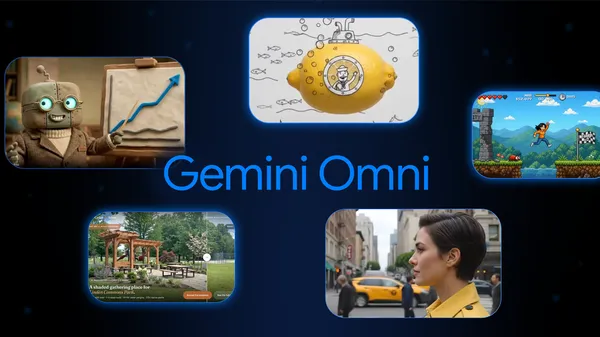
Gemini Omniは、動画の作成と編集を会話と同じくらい簡単にするAIモデルと説明されている。映像に対してカメラアングルを変更したり、画面内の物体を別のものに置き換えたりできる。動画制作の各作業を個別に扱うのではなく、作りたい内容を会話するように伝えながら形にできることが中心的な特徴だ。
また、単純なスケッチを写実的なアニメーションへ変換することも可能とされる。Gemini Omniは世界の仕組みを理解することで、自然で滑らかな動画を生成すると説明されており、映像の編集だけでなく、まだ映像になっていない発想を視覚的な表現へ展開する用途も示されている。
Omni Flash
今年のI/Oでは、新しいOmniファミリーで最初のモデルとなるGemini Omni Flashが紹介された。Googleは、人や企業がこのモデルを使って制作している例の中から、5人のビルダーによる取り組みを取り上げ、会話形式の動画制作と編集が実際の創作にどう用いられているかを示した。
生成AI
紹介内容には、Google AIによって生成された説明と要約が含まれている。また、生成AIは実験的な技術であることも明記されている。Gemini Omniの機能は、カメラアングルの変更、物体の差し替え、スケッチのアニメーション化など、動画を直接変化させる具体的な操作として説明されている。
Five builders using Gemini Omni
Google highlights five builders using Gemini Omni to edit videos and visualize ideas through conversation. The examples are intended to show practical, real-world creative applications of the model and how people and companies are building with it.
The focus is on turning ideas into visual results without separating creation from conversational interaction. Gemini Omni is presented as a tool that lets creators describe changes and develop video concepts in a more direct way.
Creating and editing videos
Gemini Omni makes creating and editing videos as easy as having a conversation, according to Google. Its capabilities include changing camera angles and swapping objects within a video. It can also transform simple sketches into realistic animations, allowing an initial visual idea to become a more developed result.
The model is described as understanding how the world works. Google says this helps videos look natural and smooth while creators make changes or turn ideas into animations. These functions cover both editing existing video material and creating new visual content from simpler inputs.
Gemini Omni Flash
Gemini Omni Flash was introduced at this year’s I/O as the first model in the new Omni family. Google’s presentation connects the model’s conversational approach with the work of the five featured builders, emphasizing how they use it to edit footage and visualize ideas.
Rather than describing video creation only as a sequence of conventional editing actions, the announcement frames the process as a conversation. Users can request visual changes such as a different camera angle or a replacement object, or use a sketch as the basis for a realistic animation.
Generative AI is experimental
Google identifies the technology as generative AI and states that generative AI is experimental. The content and summaries accompanying the announcement were generated by Google AI.
Within that framing, the five builders serve as examples of Gemini Omni’s practical creativity. Their work demonstrates the central capabilities Google describes: conversational video creation, conversational editing and the visualization of ideas through natural-looking, smooth results.
ポコとTECHガイドPoko & TECH Guide
ポコと当サイトのTECHガイドが、記事の要約と収集した情報から読みどころを語るAI生成の対話です。Poko and TECH Dashboard's own TECH Guide discuss the article's highlights in an AI-generated conversation based on its summary and collected source details.
- ポコPoko普段の動画づくりや仕事では、何が変わるの?会話するだけで編集できるってこと?What changes for everyday video projects or work? Can you really edit just by talking to it?
- TECHガイドTECH Guide本文では、会話しながらカメラ角度や物を変え、簡単なスケッチをリアルなアニメにもできるそうじゃ。The article says you can conversationally change camera angles, swap objects, and even turn simple sketches into realistic animations.
- ポコPokoへえ、すごい!でも前はできなかったの?従来の動画編集とは何が違うんだろう。Wow, that’s impressive! But was this impossible before? How is it different from conventional video editing?
- TECHガイドTECH Guide今年のI/OでOmniファミリー初のGemini Omni Flashとして紹介されたのじゃ。ただ、従来との詳しい比較までは書かれておらんよ。It was introduced at this year’s I/O as Gemini Omni Flash, the first model in the Omni family. The piece doesn’t give a detailed comparison with earlier editing methods.
- ポコPokoいちばんの収穫は、専門的な操作より会話を軸に、映像のアイデアを形にできることだね。My biggest takeaway is that video ideas can take shape through conversation instead of relying mainly on specialized controls.
- TECHガイドTECH Guideそうじゃのう。次は、紹介された5人の実例で、自然で滑らかな映像づくりがどう表れるかに注目じゃ。Exactly. Next, watch how natural, smooth video creation shows up across the five builders’ real-world examples highlighted here.