HomeIndustry & Policy今年のSwift Student ChallengeでAIとアクセシビリティが融合
AI meets accessibility in this year’s Swift Student Challenge
Industry & Policy ⚠ 古い情報の可能性

今年のSwift Student ChallengeでAIとアクセシビリティが融合 AI meets accessibility in this year’s Swift Student Challenge

元記事を読む 古い情報の可能性
AI 3 行サマリ
  • Appleは2026年のSwift Student Challengeの優勝者を発表した。
  • 学生開発者たちはSwiftやXcodeを駆使し、AIとアクセシビリティを組み合わせたアプリを制作。
  • 視覚障害者支援や学習補助など、社会課題に取り組むプロジェクトが評価された。
English summary
  • Meet four Swift Student Challenge winners who are creating innovative apps that leverage AI and focus on accessibility.

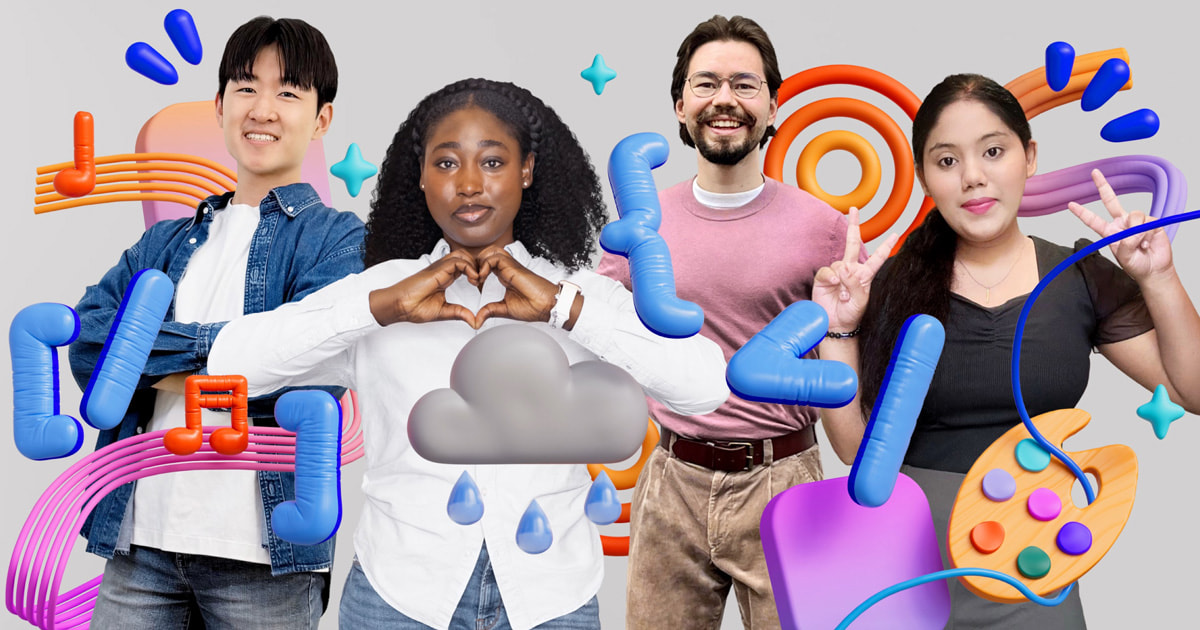
Appleは2026年のSwift Student Challengeの優勝者を発表した。世界中の学生開発者がSwiftやXcodeを用いて作成したアプリプロジェクトの中から、特にAIとアクセシビリティを融合させた作品が高く評価されている。

Swift Student Challengeは、Appleが毎年開催する若手開発者向けのコンテストで、WWDC(世界開発者会議)に合わせて実施される。応募者はApp Playgroundsを通じて自分のアイデアを形にし、選ばれた優勝者にはWWDCへの招待や1年間のApple Developer Program参加権、AppleのCupertino本社での特別イベント参加などの特典が与えられる。

今年の受賞者の中には、視覚障害者向けのナビゲーション支援アプリ、学習困難を抱える子ども向けの読書補助ツール、手話を翻訳するアプリなど、AIモデルやデバイス上の機械学習機能を活用した社会課題志向の作品が目立つ。Appleが近年強化しているCore MLやCreate ML、さらにはApple IntelligenceといったオンデバイスAI基盤を学生レベルでも実装に活用できる環境が整ってきていることを示すものと見られる。

学生開発者たちはSwiftやXcodeを駆使し、AIとアクセシビリティを組み合わせたアプリを制作。
📰 Industry & Policy · 本記事のポイント

アクセシビリティ分野はAppleが長年注力してきた領域であり、VoiceOverやLive Captions、Personal Voiceといった機能群が知られる。学生コンテストでこの分野が中心に据えられた背景には、AI技術の民主化と、Appleが掲げる「テクノロジーは誰もが使えるべき」という哲学が重なっている可能性がある。GoogleのStudent Developer ChallengeやMicrosoftのImagine Cupなど、他社も学生開発者の発掘に力を入れているが、Appleはアクセシビリティとプライバシー重視のオンデバイスAIという独自軸で差別化を図っている。

Apple has announced the winners of its 2026 Swift Student Challenge, recognizing student developers from around the world who built app projects using Swift and Xcode. This year's standout theme was the fusion of artificial intelligence with accessibility — projects that use machine learning to help people with disabilities or learning difficulties.

The Swift Student Challenge is Apple's annual competition for young developers, held in conjunction with the company's Worldwide Developers Conference (WWDC). Participants build interactive app projects using Swift Playgrounds, and winners receive an invitation to WWDC, a one-year Apple Developer Program membership, and in some cases an in-person experience at Apple's Cupertino headquarters. The program has become a key pipeline through which Apple identifies emerging talent in its developer ecosystem.

Among this year's honorees are apps targeting socially meaningful problems: navigation aids for blind and low-vision users, reading-assistance tools for children with dyslexia, sign-language interpretation apps, and learning supports for neurodivergent students. Many of these projects rely on on-device machine learning frameworks such as Core ML and Create ML, as well as newer capabilities exposed through Apple Intelligence. The trend suggests that the tools required to integrate AI into mobile apps are increasingly approachable, even for students working solo on a Mac.

Accessibility has long been a strategic focus for Apple, with features like VoiceOver, Live Captions, AssistiveTouch, and Personal Voice integrated deeply into iOS and macOS. Putting accessibility at the center of a student competition reinforces Apple's stated philosophy that technology should be usable by everyone, and it likely reflects how naturally on-device AI maps to assistive use cases — where latency, reliability, and privacy all matter.

It's worth noting that other large platform vendors run comparable programs. Google's Student Developer Challenge and Microsoft's Imagine Cup similarly cultivate student innovators, often emphasizing cloud-scale AI or social-impact projects. Apple's framing, however, leans into a distinct combination: privacy-preserving, on-device intelligence paired with deep accessibility APIs. For students, that combination can be appealing because it allows building functional, polished assistive tools without backend infrastructure.

While the showcase projects are not commercial products, several past Swift Student Challenge winners have gone on to ship apps on the App Store or join Apple itself. The 2026 cohort's emphasis on AI-driven accessibility could foreshadow the kinds of third-party apps that may surface around upcoming WWDC announcements, though specifics on Apple's own roadmap remain to be seen.

  • SourceApple NewsroomT2
  • Source Avg ★ 2.3
  • Typeブログ
  • Importance ★ 情報 (lower priority in Industry & Policy)
  • Half-life ⏱️ 短命 (ニュース)
  • LangEN
  • Collected2026/06/09 03:00

本ページの本文・要約は AI による自動生成です。正確性は元記事 (apple.com) をご確認ください。

📰 Industry & Policy の他の記事 もっと見る →

URL をコピーしました