🚀 AIエージェントのGit変更からPR作成&セルフレビューまで一括で自動化する「Skill設計パターン」This article presents a Skill design pattern for AI agents that automates the…
匿名の公開いいねです。記事の保存・お気に入りではなく、Featured、Top 3、重要度、掲載順位には影響しません。仕組みとプライバシーAnonymous public likes are reactions, not saved articles or bookmarks. They do not affect Featured, Top 3, importance, or listing order.How it works and privacy
AIエージェントによる開発後に発生する雑なコミットメッセージやPR概要の手動作成、デバッグコードの混入といった課題を、Git差分を入力としてコミット・PR作成・セルフレビューを一括自動化するSkill設計パターンで解決する手法を解説。
This article presents a Skill design pattern for AI agents that automates the entire post-coding workflow—generating clean commit messages, creating PR descriptions, and running a self-review to catch leftover debug code or hardcoded secrets—all from a single Git diff.
本ページの本文と要約は AI による自動生成です。日本語版と英語版は言語ごとに独立して生成されるため、表現や詳しさが異なる場合があります。正確性は元記事 (zenn.dev) をご確認ください。The body and summaries are AI-generated independently for each language, so wording and detail may differ. Verify accuracy at the original source (zenn.dev).
要約と収集メタデータに基づく AI 解説。元記事全文の転載・翻訳ではありません。AI explainer based on the summaries and collected metadata, not a copy or translation of the full source article.
「Claude Code」や「Cursor」などのAIエージェントを使えば機能開発やバグ修正そのものは速くなった一方で、その後の「コミット→PR作成→レビュー」という工程には依然として手作業のストレスが残る。zenn-copilotに公開された記事は、この後工程をGit差分(diff)を起点に一括自動化する「Skill設計パターン」を提案している。
記事が挙げる典型的な悩みは三つだ。ひとつは、コミットメッセージが「fix」「update code」のように雑になり、履歴が読みづらくなること。ふたつめは、PR(プルリクエスト)の概要や変更箇所を人手でまとめる地味な手間。そして三つめが、console.logやdebugger、APIキーのベタ書きといったデバッグ用コードを消し忘れたままレビューに出してしまうリスクである。
提案されているアプローチの中心は、AIエージェントにGit diffを入力として渡し、そこから整ったコミットメッセージの生成、PR説明文の作成、さらにセルフレビューまでを一連の流れとして実行させる点にある。差分という機械可読な情報を単一の入力源とすることで、変更内容の要約とチェックを同じ文脈で処理できる。特にセルフレビューは、レビューに出す前段階で残置コードや機密情報の混入を検知することが狙いと見られる。
背景には、AIエージェントの利用形態が「コードを書く」だけでなく、開発ワークフロー全体へ広がり始めている流れがある。近年はClaude CodeやCursorのほか、記事が言及するAntigravity CLIのようなCLIベースのエージェントも登場し、ターミナル上での操作との親和性が高まっている。こうした環境では、繰り返し発生する定型作業を「Skill」として再利用可能な形にまとめる発想が有効になりやすい。
もっとも本記事はAIを用いて執筆されたものであり、紹介される設計パターンの効果は、利用するエージェントやプロジェクトの構成、レビュー体制によって差が出る可能性がある。生成されたコミットメッセージやセルフレビューの結果を人が最終確認する運用は、依然として重要だといえるだろう。
Software developers who rely on AI coding agents such as Claude Code, Antigravity CLI, or Cursor often find that the assistants are strong at producing code but leave the surrounding workflow messy. A recent blog post on Zenn describes a "Skill design pattern" intended to close that gap by automating everything that happens after a coding session—generating a clean commit message, drafting a pull request description, and running a self-review—all from a single Git diff.
The article, which its author notes was itself written with AI assistance, frames the problem around three recurring frustrations. The first is sloppy commit history: agents and developers alike tend to fall back on vague messages such as "fix" or "update code," which erode the usefulness of the log over time. The second is the tedium of manually summarizing a pull request, including its overview and the specific areas that changed. The third, and arguably the most consequential, is the risk of shipping code for review with leftover debug artifacts still in place—stray console.log calls, forgotten debugger statements, or hardcoded API keys and other secrets.
The proposed solution treats the Git diff as the single source of truth. Rather than asking the agent to remember what it just did, the pattern feeds the actual set of changes into a defined skill, which then handles commit message generation, PR creation, and a self-review pass in one sequence. Because the diff already captures exactly what was modified, the agent can base its commit summary and PR notes on concrete evidence instead of loosely reconstructing intent, which is likely to produce more accurate and consistent output. The self-review step appears to function as an automated checklist, scanning the same diff for the kinds of debug code and embedded credentials that commonly slip past a hurried developer.
The concept of a "Skill" is central to how this fits into the current tooling landscape. In agent frameworks like Claude Code, skills are essentially packaged, reusable instructions that tell the model how to perform a repeatable task in a predictable way. By encoding the post-coding workflow as a skill, a team can standardize the process across contributors, so that every commit and pull request follows the same structure regardless of who—or which agent—produced it. This is an extension of a broader industry direction in which AI assistants are being pushed beyond code completion toward orchestrating multi-step development tasks.
That direction has parallels across the wider ecosystem. Conventional Commits and similar specifications have long tried to impose structure on commit messages, and GitHub has been building AI features into pull requests, including automatically generated summaries of changes. Tools such as Cursor and GitHub Copilot have expanded from inline suggestions toward agentic behavior that can edit multiple files and reason about a repository as a whole. The pattern described here sits naturally alongside those efforts, using the diff as a stable interface between the coding phase and the review phase rather than introducing a new platform.
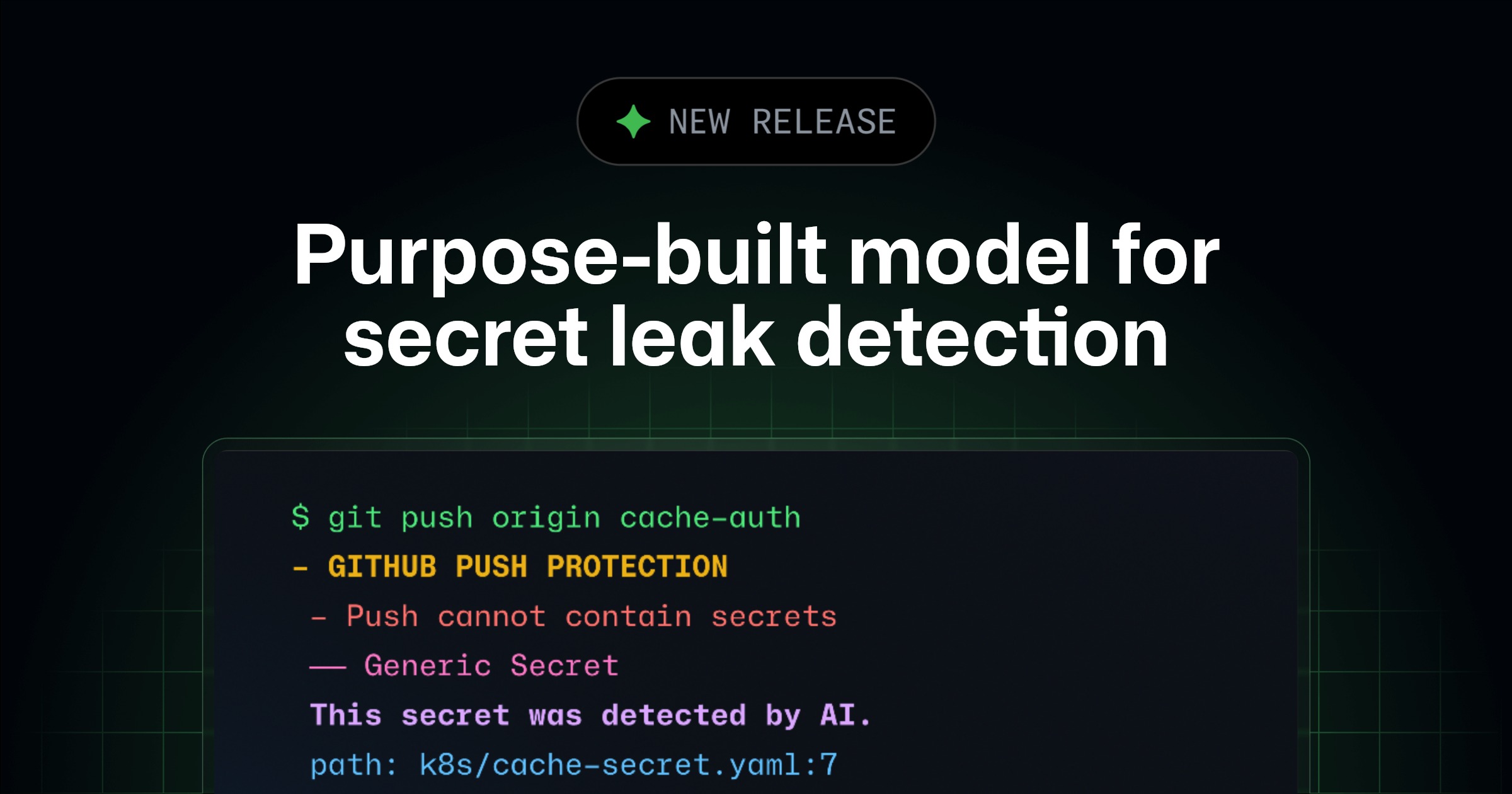
The security-oriented portion of the self-review is worth noting in context. Automated secret scanning is already a mature category, with services like GitHub secret scanning and various pre-commit hooks designed to block credentials before they reach a remote repository. A skill-based check does not replace those safeguards, but it can act as an earlier, cheaper filter that catches obvious mistakes at the moment the agent prepares a commit, before the code ever leaves the local environment.
Readers should treat the described approach as a design pattern rather than a finished product or a guarantee. The effectiveness of any such automation depends heavily on how the skill is written, the quality of the underlying model, and the discipline of the team adopting it. An AI-generated commit summary still reflects only what is visible in the diff, and an automated review can miss context that a human reviewer would catch, so the pattern is best understood as a way to reduce routine friction rather than to remove human oversight. For developers already working with agentic tools, however, formalizing the commit-to-review handoff as a reusable skill appears to be a practical step toward cleaner history, more informative pull requests, and fewer embarrassing artifacts reaching code review.
ポコとTECHガイドPoko & TECH Guide
ポコと当サイトのTECHガイドが、記事の要約と収集した情報から読みどころを語るAI生成の対話です。Poko and TECH Dashboard's own TECH Guide discuss the article's highlights in an AI-generated conversation based on its summary and collected source details.
- ポコPokoGit差分から全部自動化する「Skill設計パターン」って何? 本当にPR作成やレビューまでできるの?What’s a “Skill design pattern” that automates everything from a Git diff? Can it really create a PR and review it too?
- TECHガイドTECH Guide簡単に言うと、作業手順をひとまとめにする設計じゃな。記事によれば、Git差分からコミット文、PR概要、セルフレビューまで自動化するんじゃよ。Simply put, it bundles the workflow into one design. According to the article, a Git diff is used to generate a commit message, create a PR description, and run a self-review.
- ポコPokoへえ、すごい! それって何が嬉しいの? PRの説明を手で書かなくて済むだけ?Wow, that’s neat! What’s the real benefit? Is it just about not having to write the PR description yourself?
- TECHガイドTECH Guideそれだけではないぞ。記事では、雑なコミット文や手作業の要約を減らし、console.logやdebugger、APIキーの残存も確認できるとしておる。There’s more to it. The article says it reduces sloppy commit messages and manual summaries, while also checking for leftover console.log calls, debugger statements, and API keys.
- ポコPokoつまり、開発後の面倒な整理と、出しっぱなしにしたくないコードの確認を、Git差分からまとめて進めるんだね!So it handles the tedious post-coding cleanup and checks for code you wouldn’t want to leave behind, all starting from the Git diff!
- TECHガイドTECH Guideその理解でよいぞ。見どころは、コミット、PR作成、セルフレビューの3工程を一つのSkillとしてどう組み立てるかじゃな。Exactly. The key point is how the article combines commit generation, PR creation, and self-review into a single Skill.