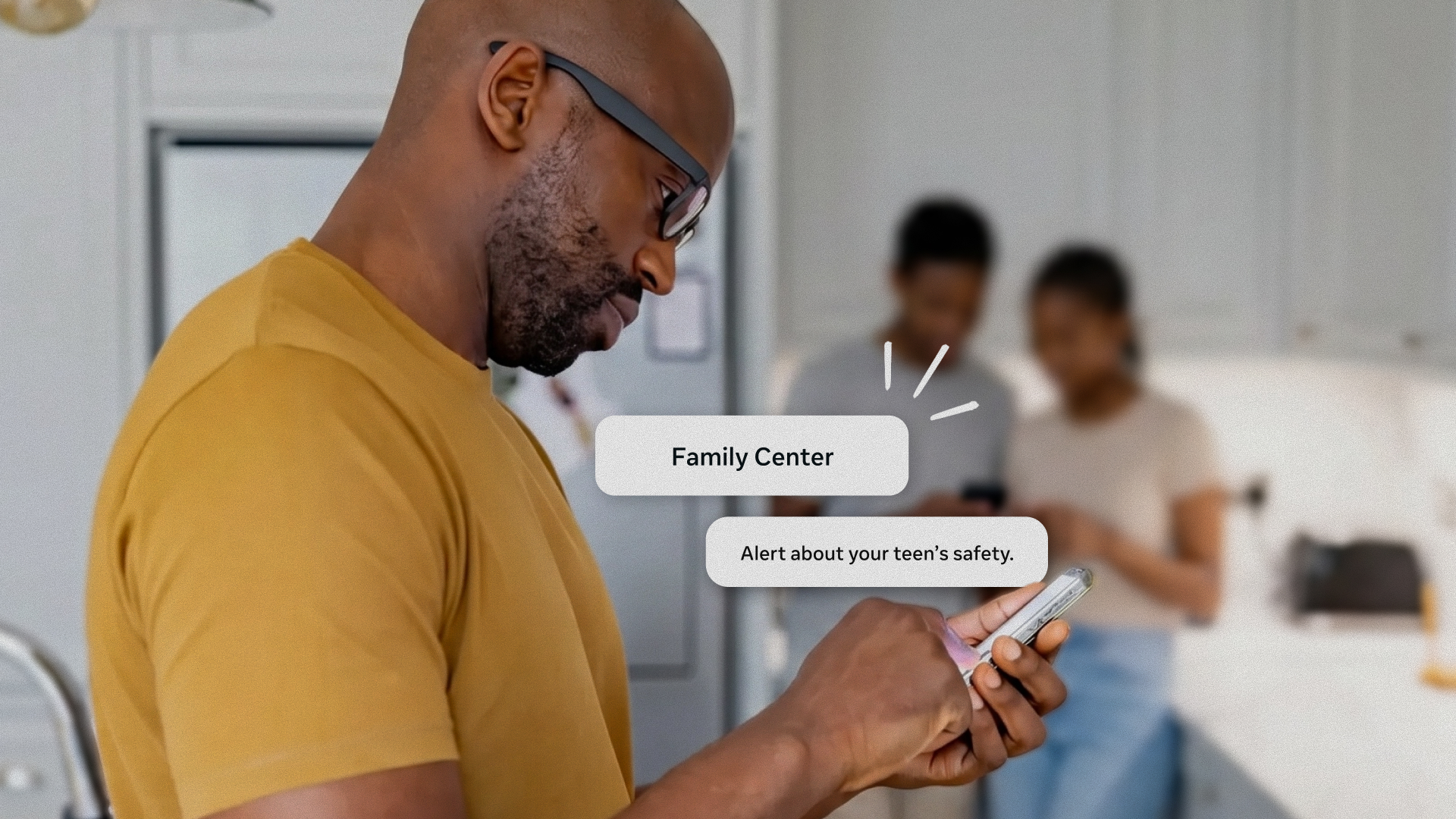
Meta AIとの会話でティーンが苦痛の兆候を示した場合に保護者へ通知Alerting Parents if Teens Show Signs of Distress in Conversations With Meta AI
匿名の公開いいねです。記事の保存・お気に入りではなく、Featured、Top 3、重要度、掲載順位には影響しません。仕組みとプライバシーAnonymous public likes are reactions, not saved articles or bookmarks. They do not affect Featured, Top 3, importance, or listing order.How it works and privacy
- MetaはAIとの会話で10代ユーザーが精神的苦痛のサインを見せた際、保護者に通知する新機能を導入した。
- 未成年の安全を強化する取り組みとして注目される。
Meta is introducing a feature that alerts parents when teens show signs of distress in conversations with Meta AI, marking a significant step toward improving adolescent safety on AI platforms.
本ページの本文と要約は AI による自動生成です。日本語版と英語版は言語ごとに独立して生成されるため、表現や詳しさが異なる場合があります。正確性は元記事 (about.fb.com) をご確認ください。The body and summaries are AI-generated independently for each language, so wording and detail may differ. Verify accuracy at the original source (about.fb.com).
要約と収集メタデータに基づく AI 解説。元記事全文の転載・翻訳ではありません。AI explainer based on the summaries and collected metadata, not a copy or translation of the full source article.
Metaは、同社のAIアシスタント「Meta AI」との会話で10代のユーザーが精神的な苦痛の兆候を示した場合に、保護者へ通知する新機能を導入すると発表した。生成AIが日常的なコミュニケーション手段として急速に普及するなか、未成年の安全をどう守るかは業界全体の課題となっており、今回の取り組みはその一環と位置づけられる。
Meta AIは、InstagramやMessenger、WhatsAppといった同社サービスに組み込まれた対話型AIで、ユーザーは文章での相談や質問を通じて幅広い話題をやり取りできる。新機能では、こうした会話のなかで自傷や強い落ち込みといった苦痛を示すサインが検出された際に、あらかじめ設定された保護者へアラートが送られる仕組みとみられる。従来Metaが提供してきた保護者向け管理機能(ペアレンタルコントロール)を、AIとの対話領域にまで広げるものと言える。
背景には、AIチャットボットと若年層の関わりをめぐる懸念の高まりがある。感情的な悩みを人間ではなくAIに打ち明ける未成年が増えるなか、深刻な兆候が見過ごされたり、AIの応答が適切さを欠いたりするリスクが指摘されてきた。米国では関連する訴訟や規制当局の関心も報じられており、プラットフォーム各社は対応を迫られている状況だ。
こうした動きはMetaに限らない。OpenAIやCharacter.AIなども未成年保護や危機的状況への対応強化を進めており、苦痛のサインを検知した場合に専門の相談窓口を案内するといった仕組みを取り入れている。年齢に応じた利用制限やコンテンツフィルタリングと組み合わせ、AIサービス全体で安全策を重層化する流れが強まっている。
一方で、この種の検知機能には課題も残る。会話内容の分析はプライバシーとのバランスが問われるうえ、苦痛のサインを正確に判定できるかは技術的な精度に左右される。誤検知による過剰な通知や、逆に深刻な兆候の見逃しが起きる可能性も否定できない。10代ユーザーの信頼を損なわずに安全を確保できるか、通知の対象や範囲をどう設計するかといった運用面が、今後の実効性を左右するとみられる。
Meta has announced a feature that will notify parents when their teenage children display signs of emotional distress during conversations with Meta AI, the generative assistant the company has embedded across Facebook, Instagram, WhatsApp, and Messenger. The change addresses mounting concern over how adolescents interact with conversational AI and expands a set of parental controls Meta has been building out over the past two years. As AI chatbots become a routine part of daily communication for younger users, the question of how these systems respond to vulnerable teens has moved to the center of the industry's safety debate.
According to Meta, the feature is designed to detect language or behavioral patterns that may suggest a teen is struggling, and to surface that signal to a linked parent or guardian. The company frames the goal as giving caregivers an opportunity to check in or seek help before a difficult situation worsens. Notifications of this kind typically depend on classifiers trained to recognize indicators such as expressions of hopelessness, references to self-harm, or acute distress, though the exact thresholds and the balance between alerting parents and preserving a teen's sense of privacy remain sensitive design choices that Meta appears to be calibrating.
The announcement fits within Meta's Teen Accounts framework, which the company introduced to place under-18 users into more restrictive default settings covering messaging, content exposure, and time management. Parental supervision tools already allow guardians to see who their teen is messaging and to set limits on app usage, and the new distress-notification capability layers AI interactions onto that existing structure. It is likely that the feature will work only when a parent and teen have an active supervision link, meaning its reach depends on families opting into Meta's broader controls rather than applying automatically to every young user.
The context for this move is a period of intense scrutiny over the effect of social platforms and AI companions on adolescent mental health. Meta has faced lawsuits and regulatory pressure in the United States and Europe alleging that its products can contribute to harm among young users, and it has responded with a steady stream of teen-focused safety changes. The AI dimension adds a newer layer of risk: conversational systems can feel personal and responsive, which may encourage teens to disclose feelings they would not share elsewhere. That intimacy is precisely what makes both the opportunity and the danger significant.
Other companies working on conversational AI have confronted similar issues. Character.AI, which offers persona-based chatbots popular with younger audiences, has introduced separate models and safeguards for minors following reports and legal claims tied to teen safety. OpenAI has also outlined measures for how ChatGPT should handle sensitive topics and has discussed age-appropriate experiences and parental oversight. Against that backdrop, Meta's notification feature can be read as part of an emerging industry norm in which platforms attempt to route signs of crisis toward human support rather than leaving an automated system to manage them alone.
Technical and ethical challenges accompany the approach. Automated detection of distress is imperfect; systems can generate false positives that alarm parents unnecessarily or miss coded language that teens use to obscure their meaning. There is also the concern that awareness of monitoring could discourage some young people from speaking openly, potentially pushing sensitive conversations to platforms without any safeguards. Privacy advocates have long noted the tension between protective surveillance and a teenager's developmental need for autonomy, and how Meta discloses the feature's operation to both parents and teens will shape whether it is perceived as supportive or intrusive.
Meta has indicated that its safety work in this area is ongoing, and details such as regional availability, language coverage, and the specifics of what parents will and will not see may evolve as the feature reaches more users. For now, the announcement signals that major AI providers are increasingly treating crisis detection and parental notification as core responsibilities rather than optional additions. Whether the feature meaningfully improves outcomes will depend on its accuracy, the guidance offered to families when an alert is triggered, and the availability of professional resources beyond the notification itself, which the company presents as a prompt for human intervention rather than a substitute for it.





