HomeIndustry & PolicyNetflixがKueueでバッチコンピュートを簡素化した方法
How Netflix Simplified Batch Compute with Kueue

NetflixがKueueでバッチコンピュートを簡素化した方法How Netflix Simplified Batch Compute with Kueue

AI2 点サマリSummary highlight
  • NetflixはKubernetesネイティブのジョブキューイングシステムKueueを採用し、断片化していたバッチコンピュート基盤を統合・簡素化した。
  • 設計上の判断や大規模運用で得た知見を共有し、ジョブスケジューリングの効率化を実現している。

Netflix adopted Kueue, a Kubernetes-native job queueing system, to simplify its fragmented batch compute platform, sharing design decisions and operational lessons learned at scale.

要約と収集メタデータをもとに生成した AI 解説本文です。元記事全文の転載・翻訳ではありません。This AI explainer is generated from the summaries and collected metadata, not from a reproduction or translation of the full source article.

動画配信大手のNetflixが、Kubernetesネイティブのジョブキューイングシステム「Kueue」を採用し、社内のバッチコンピュート基盤を刷新したことを技術ブログで明らかにした。大規模なバッチ処理を効率的かつ公平に捌くための設計判断と運用知見が共有されており、同様の課題を抱える企業にとって参考になる内容だ。

Kueueは、Kubernetes本体の開発を担うコミュニティ(SIG)が手がけるオープンソースプロジェクトで、ジョブの待ち行列管理やリソース割り当てを担う。Kubernetesの標準スケジューラは、長時間稼働するサービス(Webアプリなど)を主な対象として設計されており、ジョブが大量に投入されるバッチ用途では、リソースの取り合いや一部利用者による占有といった課題が生じやすい。Kueueはこうした隙間を埋め、ジョブをいったんキューに溜めたうえで、割り当て可能なリソース量(クォータ)に基づいて実行の可否を判断する。

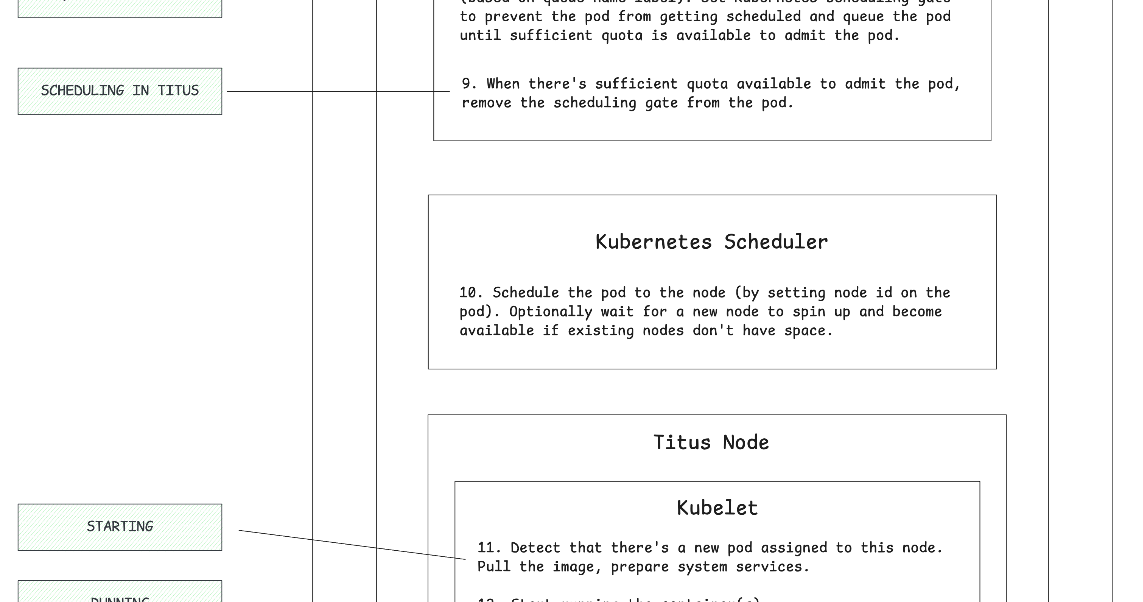
Netflixでは、動画のエンコードや機械学習の学習、データ処理など多様なバッチワークロードが日々大量に走る。同社はこれまで独自に構築・運用してきた仕組みを抱えていたとみられるが、Kueueの導入により、チームやプロジェクト単位でのクォータ管理や、余剰リソースの貸し借り(フェアシェアリング)といった機能を、標準化された形で扱えるようになったという。

NetflixはKubernetesネイティブのジョブキューイングシステムKueueを採用し、断片化していたバッチコンピュート基盤を統合・簡素化した。
📰 Industry & Policy · 本記事のポイント

ブログでは、複数チームが公平にリソースを共有する仕組みや、ジョブの優先度制御、運用上で直面した課題への対処などが具体的に紹介されている。バッチ向けのKubernetes拡張としては、ほかにVolcanoやApache YuniKornといったプロジェクトも知られており、選択肢は複数ある。そのなかでNetflixKueueを選んだ背景には、Kubernetesコミュニティ標準に近い立ち位置や、長期的な保守性への期待があった可能性がある。

クラウドネイティブ環境でのバッチ処理は、AIモデルの学習需要の高まりも相まって関心が増している領域だ。大規模事業者による実運用の知見公開は、Kueueの成熟度を裏付けるとともに、同種のツール導入を検討する組織にとって実践的な指針となりそうだ。

Netflix has published an engineering account of how it rebuilt parts of its batch compute infrastructure around Kueue, a Kubernetes-native job queueing system. The move matters because batch workloads—media encoding, machine learning training, data pipelines, and large-scale analytics—consume a substantial share of the company's compute capacity, and managing how those jobs compete for shared resources is a persistent operational challenge at Netflix's scale.

Kueue is an open-source project maintained within the Kubernetes ecosystem that focuses on job-level admission control rather than pod-level scheduling. Standard Kubernetes is designed primarily for long-running services, and its default scheduler decides where individual pods run once they exist. Batch computing has different needs: jobs often must wait in a queue until sufficient resources and quota are available, related pods may need to start together (gang, or all-or-nothing, scheduling), and capacity must be shared fairly among many teams. Kueue addresses this gap by deciding when a workload should be admitted and allowed to create its pods.

The system is built around a few core abstractions. A ClusterQueue represents a pool of resource quota, a LocalQueue maps to a namespace so individual teams can submit work, and a ResourceFlavor describes the characteristics of underlying hardware, such as a particular GPU or CPU type. Kueue groups queues into cohorts that can borrow and lend unused capacity, which lets idle quota from one team be temporarily used by another while preserving guaranteed minimums. It also supports preemption and fair sharing, so higher-priority work can reclaim resources when needed.

According to the post, Netflix appears to have adopted Kueue to consolidate queueing logic that previously lived in bespoke systems. The company has historically run containerized workloads on Titus, its internally built container platform that originally sat on top of Apache Mesos, and it has been moving more of its infrastructure toward Kubernetes over time. Standardizing on a Kubernetes-native queueing layer is consistent with that broader direction and reduces the amount of custom scheduling code the platform team must maintain.

The blog reportedly details design decisions and operational lessons rather than presenting Kueue as a turnkey solution. Common considerations when deploying a system like this include how to model quotas across many teams, how to handle fairness when demand exceeds supply, how to integrate with existing job submission interfaces, and how to observe and debug why a given job is pending. Organizations adopting Kueue typically also need to tune admission behavior to avoid starvation, where low-priority jobs never run, and to balance utilization against responsiveness.

Kueue fits into a wider landscape of batch and scheduling tools on Kubernetes. Alternatives and adjacent projects include Volcano, a batch system popular for AI and high-performance computing; YuniKorn, a resource scheduler from the Apache ecosystem; and Armada, designed for multi-cluster batch workloads. Kueue is often combined with workload-specific operators such as JobSet, Kubeflow's training operators, and Ray's Kubernetes integration, since it manages the queueing and quota layer while those tools define the jobs themselves. This composability is part of why it has gained traction.

For the broader industry, Netflix's account is a useful data point on how large platform teams are converging on Kubernetes for batch workloads that were once handled by specialized cluster managers. Efficient batch scheduling has direct cost implications: better packing and quota borrowing can raise hardware utilization, which is significant for GPU-heavy machine learning where capacity is expensive and scarce. Sharing real-world experience also helps the upstream project, since feedback from operators running at scale tends to surface edge cases and feature gaps.

The post does not appear to claim that Kueue eliminates the complexity of batch computing entirely; rather, it presents the project as a way to simplify and standardize a layer that organizations would otherwise build themselves. Readers evaluating similar migrations would likely benefit from treating Netflix's choices as context-specific, shaped by its existing platform, team structure, and workload mix, while still drawing on the general patterns the company describes.

  • 出典SourceNetflix TechBlog公式Official
  • 直近30件の平均重要度Avg importance, last 301=Info · 2=Medium · 3=High
  • 配信形式FormatブログBlog
  • 重要度Importance重要度 InfoInformational(Industry & Policy 427件中、同等以上 427件)(427 of 427 Industry & Policy entries are equal or higher)
  • 情報の寿命Half-life🏛️ 長期 (アーキテクチャ)Long-term (architecture)
  • 原文言語Source languageEN
  • 収集日時Collected2026/07/31 03:07

本ページの本文と要約は AI による自動生成です。日本語版と英語版は言語ごとに独立して生成されるため、表現や詳しさが異なる場合があります。正確性は元記事 (netflixtechblog.com) をご確認ください。The body and summaries are AI-generated independently for each language, so wording and detail may differ. Verify accuracy at the original source (netflixtechblog.com).

📰Industry & Policy の他の記事More from Industry & Policyもっと見る →View more →