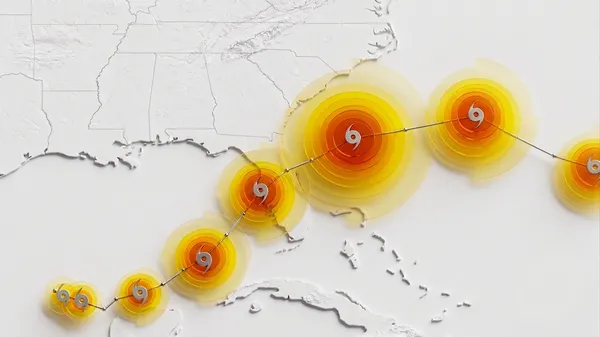
Google DeepMindの「WeatherNext 2」AIモデルがサイクロン予測で大幅な精度向上を達成Our WeatherNext 2 AI model demonstrated a massive leap forward in predicting cyclones.
匿名の公開いいねです。記事の保存・お気に入りではなく、Featured、Top 3、重要度、掲載順位には影響しません。仕組みとプライバシーAnonymous public likes are reactions, not saved articles or bookmarks. They do not affect Featured, Top 3, importance, or listing order.How it works and privacy
- Google DeepMindのWeatherNext 2は、サイクロン予測において最先端の精度を実現し、気象予報AIの新たな基準を打ち立てた。
- 精度向上により、災害への早期対応や被害軽減への貢献が期待される。
Google DeepMind's WeatherNext 2 achieves state-of-the-art accuracy in cyclone track and intensity prediction, marking a significant advance in AI-driven weather forecasting with real-world safety implications.
本ページの本文と要約は AI による自動生成です。日本語版と英語版は言語ごとに独立して生成されるため、表現や詳しさが異なる場合があります。正確性は元記事 (blog.google) をご確認ください。The body and summaries are AI-generated independently for each language, so wording and detail may differ. Verify accuracy at the original source (blog.google).
要約と収集メタデータに基づく AI 解説。元記事全文の転載・翻訳ではありません。AI explainer based on the summaries and collected metadata, not a copy or translation of the full source article.
サイクロン予測
Google DeepMindのAIモデル「WeatherNext 2」が、サイクロン予測で大幅な精度向上を示した。熱帯サイクロンは地球上で最も破壊的な気象現象の一つであり、正確で迅速な警報を出すうえでは、警告を早める一時間一時間が重要になる。
ハリケーンやサイクロンがどのように発達するかを予測することは、長年にわたる課題とされてきた。気象学者にとっても、変化する状況を捉えながら警報を適切なタイミングで出すことは、常に時間との競争になる。
進路・強度・風
Googleの研究者は、Natureに掲載された論文で、WeatherNextがサイクロンの進路、強度、風の構造の予測において最先端の精度を達成したと説明している。サイクロンがどこへ進むのかだけでなく、どの程度の強さになるのか、風がどのような構造を持つのかまでが評価の対象となっている。
この成果は、一つのモデルで気象学における約10年分の進歩に相当する大幅な前進と位置付けられている。予測精度の向上により、災害への早期対応や被害軽減への貢献が期待される。
オープンソース
Googleは、世界規模で気候へのレジリエンス構築を支援するため、WeatherNext 2を世界の研究コミュニティーに向けてオープンソース化する。これにより、サイクロン予測で示されたモデルを研究用途で利用できる形にする。
Predicting cyclones
Google DeepMind says its WeatherNext 2 AI model has made a major advance in cyclone prediction. The improvement matters because tropical cyclones are among the most destructive weather events on Earth, while accurate and timely warnings can support earlier disaster response and efforts to reduce harm.
Predicting how hurricanes and cyclones develop remains a longstanding challenge. Meteorologists face a constant race against time when issuing warnings, and every additional hour of warning counts.
State-of-the-art accuracy
In a paper published in Nature, Google researchers report that the WeatherNext AI model achieved state-of-the-art accuracy in predicting three important aspects of a cyclone: its track, its intensity, and its wind structure.
Track prediction concerns where a cyclone is expected to move, while the model’s other outputs address how intense it may become and how its winds are structured. Taken together, these predictions provide information relevant to issuing accurate and timely warnings as a storm develops.
Google describes the result as a massive leap forward in AI-driven weather forecasting. According to the announcement, the improvement represents roughly a decade of meteorological progress in a single model and establishes a new standard for cyclone forecasting accuracy.
Open-sourcing WeatherNext 2
Google is open-sourcing the WeatherNext 2 model to the global research community. The stated purpose is to help build climate resilience worldwide by making the model available for research.
The reported gains in forecasting cyclone tracks, intensity, and wind structure have direct safety relevance. More accurate forecasts can contribute to earlier responses to destructive weather events and may help reduce damage by giving meteorologists better information when preparing timely warnings.
ポコとTECHガイドPoko & TECH Guide
ポコと当サイトのTECHガイドが、記事の要約と収集した情報から読みどころを語るAI生成の対話です。Poko and TECH Dashboard's own TECH Guide discuss the article's highlights in an AI-generated conversation based on its summary and collected source details.
- ポコPokoWeatherNext 2は、サイクロン予測の何がそんなに進歩したの?進む方向だけじゃないのかな。What improved so much in WeatherNext 2’s cyclone forecasts? Is it about more than just where a storm will go?
- TECHガイドTECH Guide本文では、進路に加えて強さや風の構造も最先端の精度で予測したそうじゃ。約10年分の気象学の進歩に相当するとしておる。The piece says it reached state-of-the-art accuracy for track, intensity, and wind structure—not just direction. It describes that as roughly a decade of meteorological progress in one model.
- ポコPokoつまり、気象の専門家がサイクロンの動きと危険度を早めに読んで、警告を出す助けになるってこと?So it could help meteorologists read a cyclone’s movement and danger earlier, giving them more support when issuing warnings?
- TECHガイドTECH Guideそう期待されておるのう。この発表では、正確で timely な警告につながれば、早期対応や被害軽減に役立つ可能性が示されておる。That’s the hope. The announcement links more accurate, timely warnings with earlier action and potentially reducing damage, since every hour of warning matters.
- ポコPokoへえ、予報の数字が良くなっただけじゃなく、災害への備えにもつながり得るAIなんだね。Wow, so it’s not just better forecast numbers—it’s AI that could also support disaster preparedness.
- TECHガイドTECH Guideその一方で、被害軽減への貢献はまだ期待として語られている点に注意じゃ。モデルは世界の研究者向けにオープンソース化されるそうじゃよ。One caution: the safety benefits are still framed as expected impact, not a guaranteed outcome. The model is also being open-sourced for the global research community.