LiteRTとGemmaでRaspberry Piのエッジ AIをマスターするMastering Edge AI on Raspberry Pi with LiteRT and Gemma
匿名の公開いいねです。記事の保存・お気に入りではなく、Featured、Top 3、重要度、掲載順位には影響しません。仕組みとプライバシーAnonymous public likes are reactions, not saved articles or bookmarks. They do not affect Featured, Top 3, importance, or listing order.How it works and privacy
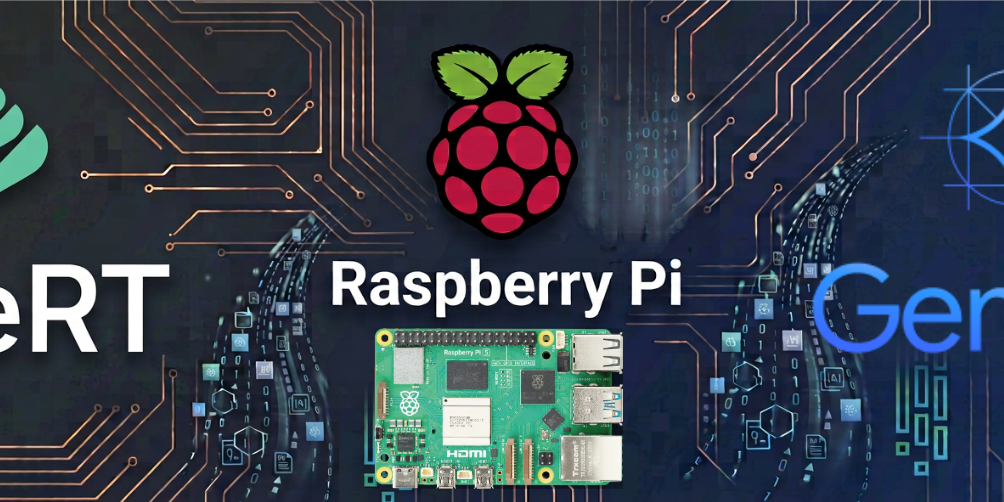
LiteRTと軽量なGemmaオープンモデルを組み合わせることで、Raspberry Pi上でのセキュアなリアルタイムエッジAIの展開が容易になり、ロボティクスなどの用途でローカル推論が実用的な速度で動作する。
LiteRT paired with lightweight Gemma open models simplifies deploying real-time Edge AI on Raspberry Pi, optimizing CPU/GPU performance to achieve practical token speeds for local reasoning in robotics and similar applications.
本ページの本文と要約は AI による自動生成です。日本語版と英語版は言語ごとに独立して生成されるため、表現や詳しさが異なる場合があります。正確性は元記事 (developers.googleblog.com) をご確認ください。The body and summaries are AI-generated independently for each language, so wording and detail may differ. Verify accuracy at the original source (developers.googleblog.com).
要約と収集メタデータに基づく AI 解説。元記事全文の転載・翻訳ではありません。AI explainer based on the summaries and collected metadata, not a copy or translation of the full source article.
LiteRT
LiteRTと軽量なGemmaオープンモデルの組み合わせにより、Raspberry PiへのセキュアなリアルタイムエッジAIの展開が容易になると説明されている。ロボティクスなどで、ローカル推論を実用的な速度で動かせる点が要点だ。
LiteRTはCPUとGPUの性能を最適化し、Gemma4のようなモデルで高速なトークン処理を実現するとされる。これにより、Raspberry Pi上でリアルタイムの推論処理を行いやすくなる。
ローカル推論
推論をRaspberry Pi上で実行する構成は、オンデバイスで処理するエッジAIの展開を簡素化する。軽量なGemmaオープンモデルとLiteRTを組み合わせ、ロボティクスを含む用途でローカルな推論を実用的な速度で利用できるという内容だ。
LiteRT and Gemma
LiteRT paired with lightweight Gemma open models simplifies the deployment of secure, real-time Edge AI on Raspberry Pi. This matters for applications such as robotics, where local reasoning needs to operate at practical speeds on the device.
CPU and GPU performance
The source says LiteRT optimizes CPU and GPU performance, delivering fast token speeds for models such as Gemma4. These optimizations enable real-time local reasoning on Raspberry Pi and make the combination suitable for on-device workloads.
Real-time local reasoning
The pairing is presented as making Edge AI easier to deploy securely on Raspberry Pi. According to the provided summary, the resulting token speeds are practical for robotics and similar applications. The central technical detail is the combination of LiteRT’s CPU and GPU performance optimization with lightweight Gemma open models for local reasoning.
ポコとTECHガイドPoko & TECH Guide
ポコと当サイトのTECHガイドが、記事の要約と収集した情報から読みどころを語るAI生成の対話です。Poko and TECH Dashboard's own TECH Guide discuss the article's highlights in an AI-generated conversation based on its summary and collected source details.
- ポコPokoRaspberry Pi上でローカル推論がリアルタイムで動くようになるって、これって大きいこと?Local reasoning running in real time on a Raspberry Pi— is that a big deal?
- TECHガイドTECH Guide大きな変化じゃよ。この記事では、LiteRTがCPUとGPUを最適化し、軽量なGemmaで実用的な速さを狙えるとしておる。It is a meaningful shift. The article says LiteRT optimizes the CPU and GPU, aiming for practical speeds with lightweight Gemma models.
- ポコPoko「ローカル推論」って何? つまり、Raspberry Piの中だけでAIが考えるってこと?What does “local reasoning” mean? Does it mean the AI does its thinking right on the Raspberry Pi?
- TECHガイドTECH Guideそういうイメージじゃ。推論はAIが入力から答えを出す処理で、この記事のいうローカル推論はRaspberry Pi上でそれを行うことじゃのう。That’s the idea. Inference is the AI processing input to produce an answer; here, local inference means doing that on the Raspberry Pi itself.
- ポコPoko自分ならロボットに使って、動きをすぐ判断させてみたいな。ネットにつながなくても使えそう?I’d use it in a robot and have it make quick decisions about movement. Could it work without being connected to the internet?
- TECHガイドTECH Guideローカルで動かす構成なので、そうした使い方を想像しやすいのう。ただし本文で示されるのは、LiteRTと軽量Gemmaによる実用的な速度での展開じゃ。Because it runs locally, that use case is easy to imagine. Still, the article specifically presents deployment at practical speeds using LiteRT and lightweight Gemma.