コンテンツローンチのリスク予測:データドリブンな洞察がローンチ計画を変革する方法Predicting Risk in Content Launches: How Data-Driven Insights can Transform Launch Planning
匿名の公開いいねです。記事の保存・お気に入りではなく、Featured、Top 3、重要度、掲載順位には影響しません。仕組みとプライバシーAnonymous public likes are reactions, not saved articles or bookmarks. They do not affect Featured, Top 3, importance, or listing order.How it works and privacy
- Netflixが、過去のローンチデータと機械学習を活用してコンテンツ公開時のリスクを事前に予測する仕組みを解説。
- 問題を未然に防ぎ、ローンチ計画の精度と信頼性を高める取り組みを紹介している。
Netflix explains how it applies machine learning to historical launch data to predict risk before content goes live, helping teams catch issues early and plan launches more reliably.
要約と収集メタデータをもとに生成した AI 解説本文です。元記事全文の転載・翻訳ではありません。This AI explainer is generated from the summaries and collected metadata, not from a reproduction or translation of the full source article.
Netflixは、映画やシリーズ作品といったコンテンツのローンチに伴うリスクを、データドリブンな手法で事前に予測する取り組みを技術ブログで紹介した。世界規模で同時配信を行う同社にとって、注目度の高い作品の公開はトラフィックの急増やシステム負荷を引き起こしやすく、こうしたリスクを早期に見極めることはサービスの安定運用に直結する。
同社のアプローチの中核にあるのは、過去のローンチ実績から得られた大量のデータと機械学習の活用だ。これまでに配信された作品の視聴傾向、需要の立ち上がり方、地域ごとの反応、インフラへの負荷といった履歴を学習し、新たな作品が公開される際にどの程度のリスクが生じうるかを定量的に推定すると見られる。これにより、経験や勘に頼りがちだったローンチ計画を、より客観的な指標に基づいて評価できるようになる。
こうした予測モデルがもたらす利点は、計画段階での意思決定の質を高める点にある。リスクが高いと判断された場合には、配信スケジュールの調整、サーバー容量の事前確保、関連チームへの注意喚起といった対策を前もって講じやすくなる。結果として、ローンチ当日のトラブルを抑え、視聴者の体験を損なわずに済む可能性が高まる。
Netflixが、過去のローンチデータと機械学習を活用してコンテンツ公開時のリスクを事前に予測する仕組みを解説。
背景には、ストリーミング業界全体で進む配信運用のデータ化がある。同時アクセスが世界規模に及ぶ現在、需要予測やキャパシティプランニングに機械学習を取り入れる動きは各社で広がっており、予測分析(predictive analytics)はリスク管理の一般的な手法になりつつある。Netflixは以前からカオスエンジニアリングやA/Bテスト基盤など、データと自動化を重視した運用文化で知られており、今回の取り組みもその延長線上にあると言える。
一方で、機械学習による予測は過去データの傾向に依存するため、前例のない規模の話題作や突発的な需要変動を完全に捉えきれない場合もある。同社もモデルの精度を継続的に検証し、人間の判断と組み合わせて運用していくことが重要になるだろう。データドリブンな洞察は万能ではないものの、ローンチ計画の精度と安全性を底上げする有力な手段として、今後さらに活用が広がる可能性がある。
Netflix has detailed how it applies machine learning and predictive analytics to anticipate operational risk around content launches, a process the company frames as a way to make release planning more precise and resilient. For a streaming service that premieres large numbers of titles across many regions and devices, even small failures during a high-profile debut can affect millions of viewers at once, which makes forecasting where problems are likely to occur a meaningful engineering and business concern.
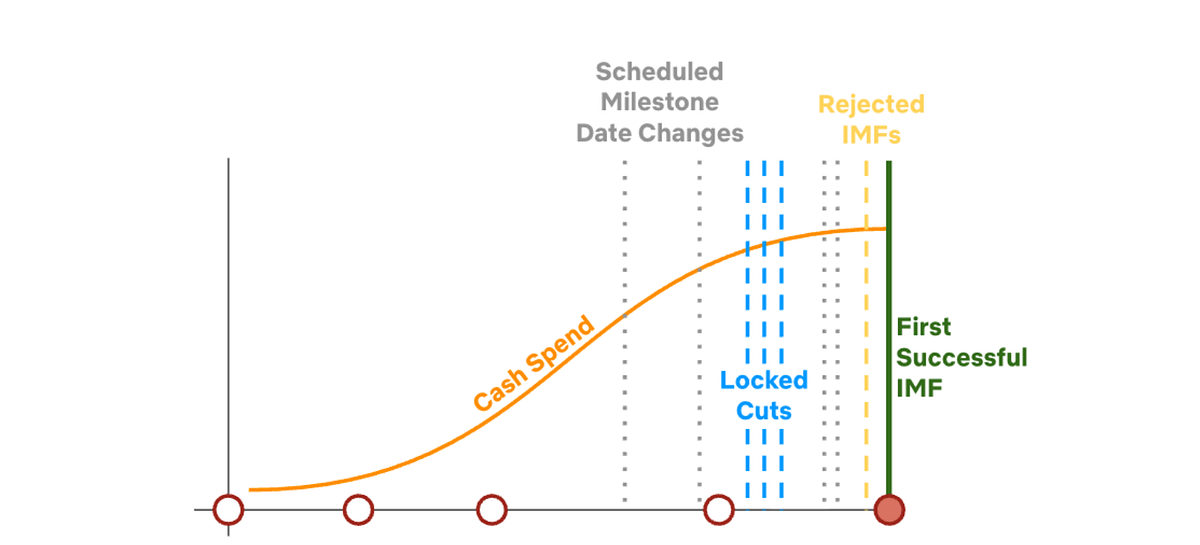
The core idea, as described, is to treat each content launch as an event whose risk profile can be estimated in advance rather than assessed only after something goes wrong. Launches involve numerous moving parts, including content encoding and packaging, metadata, artwork, subtitles and dubbed audio tracks, regional licensing windows, and the backend systems that make a title discoverable and playable. A delay or defect in any one of these components can cascade into a degraded experience. By modeling these dependencies, Netflix aims to surface the launches that warrant closer human attention before they reach audiences.
To do this, the approach appears to draw on historical launch data, learning from past releases where issues arose and where they did not. Signals plausibly include the complexity of a given title, the number of territories and languages involved, the timing relative to other launches, and the state of upstream preparation tasks. Machine learning models can then assign a relative risk score, helping teams prioritize review and remediation. This is a familiar pattern in reliability engineering, where the goal is to direct limited operational attention toward the cases most likely to cause harm, rather than treating every release as identical.
A key advantage of this kind of system is that it shifts launch planning from a reactive posture to a proactive one. Instead of discovering a missing subtitle file or a broken playback path after a premiere, teams can be alerted to elevated risk earlier in the pipeline, when there is still time to intervene. The framing emphasizes both accuracy and safety, suggesting that the models are intended to support human decision-making and coordination rather than to fully automate go or no-go calls. In practice, predictive risk scoring of this type is most useful when paired with clear escalation paths and ownership, so that a flagged launch translates into concrete action.
This work fits within a broader industry movement toward applying data science to operational and reliability problems. Many large technology organizations have invested in predictive techniques for incident management, anomaly detection, and change risk assessment, where models estimate the likelihood that a deployment or configuration change will cause an outage. Netflix itself has a long history of publishing on resilience engineering, including its pioneering work on chaos engineering and tools associated with the Simian Army, as well as its investments in experimentation platforms and A/B testing infrastructure. Viewed in that context, applying predictive analytics to content launches is a natural extension of an established culture of measuring and managing risk with data.
Several prerequisite concepts help explain why this is challenging. Predictive models depend heavily on the quality and representativeness of historical data, and rare but severe failures can be difficult to learn from precisely because they are rare. Models must also contend with the risk of false positives, where too many launches are flagged, eroding trust, and false negatives, where a genuinely risky launch is missed. Maintaining model performance over time typically requires monitoring for drift as content types, regions, and internal systems evolve, along with retraining and validation. The blog's emphasis on transforming launch planning suggests these models are meant to be embedded into existing workflows and tooling rather than treated as a standalone analytics exercise.
The wider takeaway is that launch planning, often handled through checklists, institutional knowledge, and manual coordination, can be augmented by systematically learning from past outcomes. Whether the same approach generalizes cleanly to other organizations is likely to depend on the volume and structure of their release data and the maturity of their underlying pipelines. For Netflix, however, the effort reflects a consistent theme in its engineering communications: that reliability at scale benefits from quantifying uncertainty and using it to guide where people focus their attention. As streaming catalogs continue to grow and global release schedules intensify, data-driven risk prediction appears poised to become an increasingly common part of how content reaches audiences smoothly.
本ページの本文と要約は AI による自動生成です。日本語版と英語版は言語ごとに独立して生成されるため、表現や詳しさが異なる場合があります。正確性は元記事 (netflixtechblog.com) をご確認ください。The body and summaries are AI-generated independently for each language, so wording and detail may differ. Verify accuracy at the original source (netflixtechblog.com).