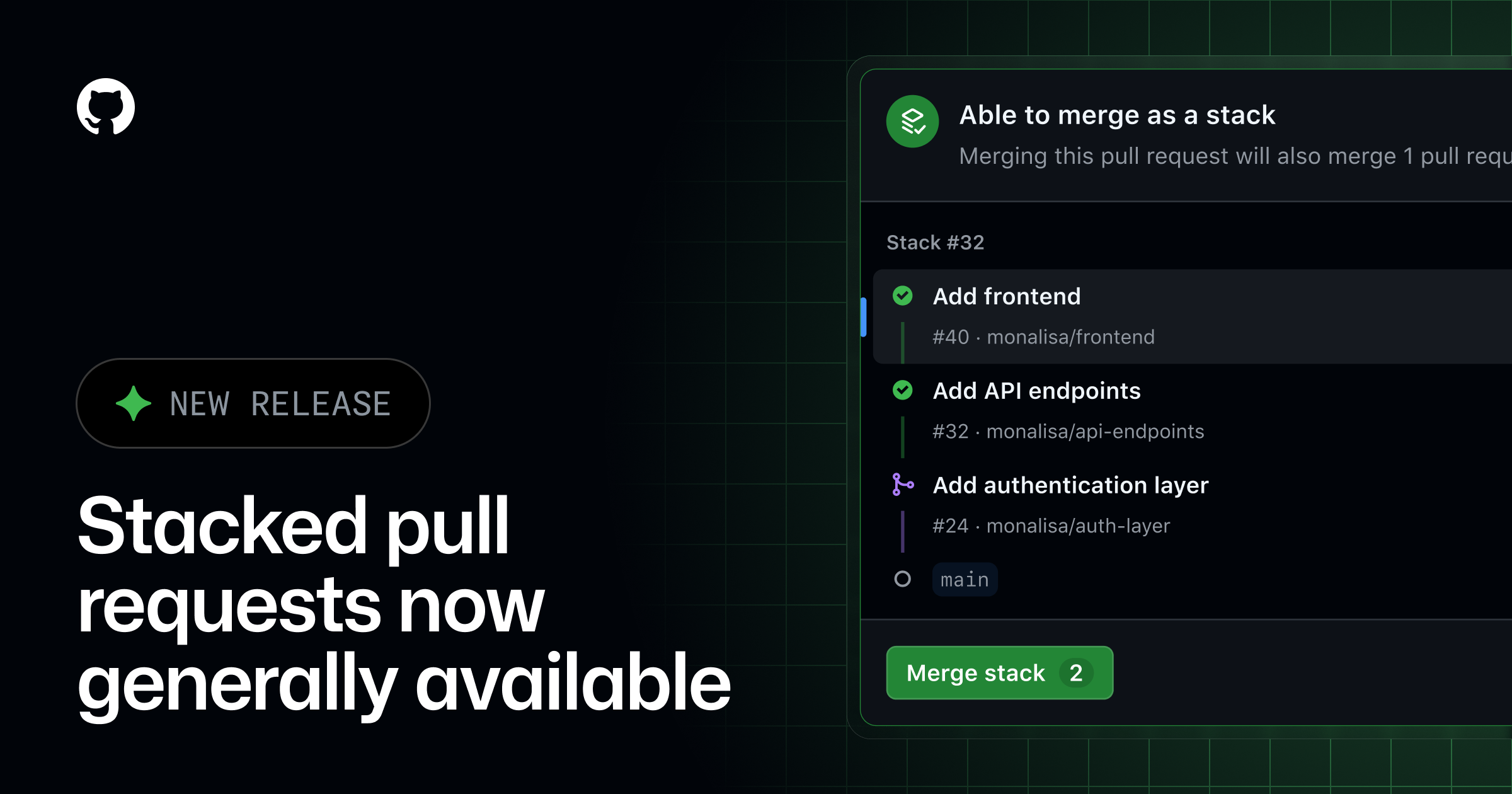
オープンウェイトモデルは健全なAIエコシステムに不可欠——業界が米国競争力強化の道筋を提示Open-weight models are essential to a healthy AI ecosystem. Together with others across our industry, we are outlining a path for open-weight models to strengthen American competitiveness and expand economic opportunity, while protecting national security.
匿名の公開いいねです。記事の保存・お気に入りではなく、Featured、Top 3、重要度、掲載順位には影響しません。仕組みとプライバシーAnonymous public likes are reactions, not saved articles or bookmarks. They do not affect Featured, Top 3, importance, or listing order.How it works and privacy
Microsoftをはじめとする業界各社が、オープンウェイトモデルを通じて米国の競争力向上と経済機会の拡大を図りつつ、安全保障も守る共同方針を発表した。
- Microsoft and industry partners have jointly outlined a framework for open-weight AI models that aims to boost U.S.
- competitiveness and economic opportunity while addressing national security concerns.
本ページの本文と要約は AI による自動生成です。日本語版と英語版は言語ごとに独立して生成されるため、表現や詳しさが異なる場合があります。正確性は元記事 (linkedin.com) をご確認ください。The body and summaries are AI-generated independently for each language, so wording and detail may differ. Verify accuracy at the original source (linkedin.com).
要約と収集メタデータに基づく AI 解説。元記事全文の転載・翻訳ではありません。AI explainer based on the summaries and collected metadata, not a copy or translation of the full source article.
Microsoftをはじめとする複数のテクノロジー企業が、オープンウェイトのAIモデルを健全なエコシステムの基盤と位置づけ、米国の競争力と経済機会を高めつつ安全保障上の懸念にも対処する共同方針を示した。閉じたモデルと開かれたモデルのどちらを重視すべきかという長年の議論に、産業界としての立場を明確にした形だ。
オープンウェイトモデルとは、学習済みのパラメータ(重み)が公開され、誰でもダウンロードして自社環境で実行したり、独自データで微調整(ファインチューニング)したりできるモデルを指す。学習データやコードのすべてを開示する完全なオープンソースとは区別されるが、外部のAPI経由でしか利用できないクローズドモデルに比べ、透明性やカスタマイズ性、コスト面で利点があるとされる。Metaの「Llama」シリーズ、フランスのMistral、Microsoft自身の小型モデル「Phi」などが代表例だ。
業界がオープンウェイトを重視する背景には、経済とイノベーションの観点がある。重みが公開されていれば、スタートアップや研究機関、行政機関が特定ベンダーに過度に依存せずにAIを活用でき、機微なデータを外部に送らずオンプレミスで処理できる。こうした裾野の広がりが、幅広い産業でのAI導入と新規事業の創出につながると見られている。
一方で、高性能なモデルの重みが公開されれば、悪用の抑止が難しくなるという安全保障上の懸念も根強い。今回の方針は、こうしたリスクを認めたうえで、開放の利点とリスク管理を両立させる枠組みを提示するものと位置づけられる。米国では、フロンティアモデルの輸出管理や評価のあり方をめぐる政策論議が続いており、産業界が主体的に道筋を示す狙いがあると考えられる。
こうした動きは、米中間のAI開発競争という文脈とも無縁ではない。中国発のオープンモデルが国際的に存在感を増すなか、米国勢がオープンウェイトの供給で主導権を保つことが競争力維持につながるとの見方もある。ただし、どの程度の規制や自主基準が適切かについては企業間でも温度差があり、今後の政策形成や各社の実装方針によって、エコシステムの姿は変わっていく可能性がある。
Microsoft, together with a group of industry partners, has published a joint framework arguing that open-weight artificial intelligence models are a foundational component of a healthy AI ecosystem and a strategic asset for U.S. economic and technological competitiveness. Shared through Microsoft's official blog, the document positions open-weight releases as compatible with national security objectives rather than opposed to them, and offers policymakers a set of principles intended to encourage their continued development and distribution.
Open-weight models are systems whose trained parameters, commonly called weights, are made publicly available for download. This lets developers run, inspect, fine-tune, and deploy the models on their own hardware or cloud infrastructure, without depending on an application programming interface controlled by the original developer. It is worth distinguishing open-weight from fully open-source AI: the latter typically also includes training code, documentation, and sometimes the underlying datasets, whereas an open-weight release may share only the model parameters under a specified license. Both differ from closed, proprietary models such as those offered exclusively through paid endpoints.
The framework's central claim is that broad access to capable open-weight models lowers barriers to entry for startups, researchers, universities, and smaller businesses that lack the resources to train large models from scratch. According to the industry group, this accessibility spreads economic opportunity, accelerates innovation, and helps ensure that AI development remains anchored in the United States and allied countries rather than migrating elsewhere. The signatories appear to frame the issue partly as a response to competition from models developed abroad, suggesting that if American open-weight options are not competitive and widely available, developers may adopt alternatives from other regions instead.
On security, the document acknowledges that releasing model weights carries risks, since publicly available parameters cannot easily be recalled and can be adapted for a range of purposes, including potentially harmful ones. Rather than treating this as a reason to restrict openness, the partners propose managing risk through measured practices. These are likely to include pre-release safety evaluations, responsible disclosure processes, guidance on acceptable use, and continued research into safeguards. The overall argument is that transparency can itself aid security, because openly available weights allow independent researchers to audit models, identify weaknesses, and build defensive tools more readily than closed systems permit.
The publication arrives amid an active policy debate over how the U.S. government should treat foundation models. Prior federal actions, including executive orders and agency reviews, have examined whether the wide availability of powerful model weights should face reporting requirements or export considerations. The industry framework can be read as an effort to shape that conversation before more restrictive rules take hold, emphasizing competitiveness and economic benefit alongside safety.
The context includes a rapidly growing landscape of open-weight releases. Meta's Llama family has been among the most widely adopted, while Mistral AI, a European company, has released several open-weight models. OpenAI re-entered this space with its gpt-oss models, and Microsoft itself has developed the Phi series of smaller, efficient models designed to run in more constrained environments. Chinese labs, including those behind the DeepSeek and Qwen models, have also released capable open-weight systems, intensifying the global dimension of the discussion. This proliferation has made open weights a practical foundation for enterprise deployments, on-device applications, and academic research alike.
For Microsoft, the position aligns with its broader strategy of offering customers a mix of model options across its Azure cloud and developer platforms, spanning both proprietary systems and open-weight alternatives. Companies frequently choose open-weight models when they need data to remain on their own systems, want to customize behavior for specialized domains, or seek to control costs at scale.
The framework does not carry the force of law, and its practical influence will depend on how regulators, lawmakers, and other companies respond. Still, it signals a coordinated attempt by parts of the industry to establish shared language around open-weight AI and to argue that openness and security can be pursued together. Whether policymakers accept that balance, and how they translate it into concrete rules, remains to be seen as the AI governance debate continues to develop.
ポコとTECHガイドPoko & TECH Guide
ポコと当サイトのTECHガイドが、記事の要約と収集した情報から読みどころを語るAI生成の対話です。Poko and TECH Dashboard's own TECH Guide discuss the article's highlights in an AI-generated conversation based on its summary and collected source details.
- ポコPokoオープンウェイトモデルって何? どうして健全なAIの仕組みに欠かせないの?What’s an open-weight model? And why does the article say it’s essential to a healthy AI ecosystem?
- TECHガイドTECH Guide簡単に言うと、モデルの中身にあたる重みを公開するAIじゃな。記事では、Microsoftなどが活用の共同方針を示したんじゃよ。Simply put, it’s AI whose model weights—the core internal parameters—are shared. According to the article, Microsoft and industry partners outlined a joint framework for using such models.
- ポコPokoそれって何がうれしいの? 公開するだけで競争力が上がるの?What’s the benefit? Does sharing the weights automatically make the U.S. more competitive?
- TECHガイドTECH Guide自動的に上がるとは書かれておらんよ。米国の競争力と経済機会を広げるための道筋として、業界が位置づけたという話じゃな。The article doesn’t say that happens automatically. It presents open-weight models as a path the industry believes could strengthen U.S. competitiveness and expand economic opportunity.
- ポコPokoなるほど、公開を進めつつ、安全保障も守る方針を一緒に考えたってことだね。Got it. They’re trying to promote openness while also protecting national security.
- TECHガイドTECH Guideその理解でよいぞ。今後の見どころは、記事が掲げる二つの狙いを具体的にどう両立させるかじゃな。Exactly. The key thing to watch is how the framework’s goals—greater opportunity and national security—are balanced in practice.