電源断でもシステムは稼働:Metaが瞬間停電への対応準備を検証Lights Out, Systems On: Validating Instant Power Loss Readiness
匿名の公開いいねです。記事の保存・お気に入りではなく、Featured、Top 3、重要度、掲載順位には影響しません。仕組みとプライバシーAnonymous public likes are reactions, not saved articles or bookmarks. They do not affect Featured, Top 3, importance, or listing order.How it works and privacy
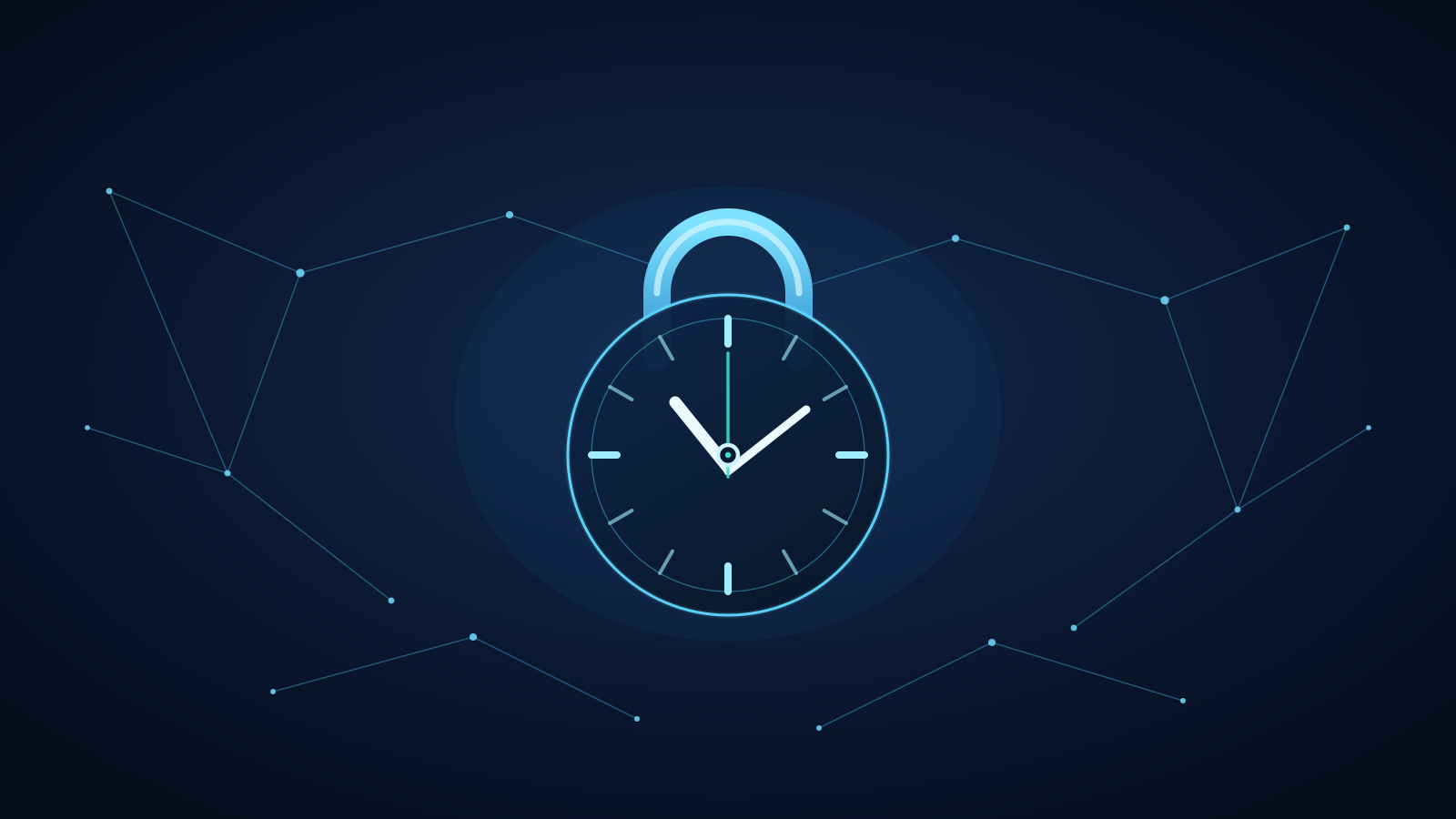
MetaはデータセンターでのInstantaneous PowerLoss Stormという新テスト手法を導入し、予告なしの瞬間停電に対するインフラ耐性を検証・改善することで、大規模障害時のシステム継続稼働の信頼性を高める取り組みを紹介している。
Meta introduces Instantaneous PowerLoss Storm, a new testing paradigm that validates and improves data-center infrastructure resilience against instant, zero-notice power loss to keep systems running during outages.
本ページの本文と要約は AI による自動生成です。日本語版と英語版は言語ごとに独立して生成されるため、表現や詳しさが異なる場合があります。正確性は元記事 (engineering.fb.com) をご確認ください。The body and summaries are AI-generated independently for each language, so wording and detail may differ. Verify accuracy at the original source (engineering.fb.com).
要約と収集メタデータに基づく AI 解説。元記事全文の転載・翻訳ではありません。AI explainer based on the summaries and collected metadata, not a copy or translation of the full source article.
Metaが、データセンターで起こりうる予告なしの瞬間的な電源喪失に備えるための新たな検証手法「Instantaneous PowerLoss Storm(IPLS)」を導入したことを、同社のエンジニアリングブログで明らかにした。電力供給が一瞬でも途切れる事態にインフラ全体がどう耐えるかを意図的に試すもので、大規模サービスの可用性を支える基盤づくりの一環と位置づけられる。
瞬間停電(instant power loss)は、外部からの電力品質の乱れや構内機器の障害などによって、無停電電源装置(UPS)や発電機への切り替えが間に合わないわずかな時間に発生しうる。こうした状況では、サーバーやネットワーク機器が一斉に予期せぬ再起動を強いられ、データの不整合やサービス停止につながる恐れがある。Metaはこのリスクを机上の想定にとどめず、実際に近い条件で再現・観測することで、弱点を事前に洗い出す狙いがあるとみられる。
このアプローチは、システムに意図的に障害を注入して回復力を検証する「カオスエンジニアリング」の流れに位置づけられる。Netflixが公開した「Chaos Monkey」をはじめ、本番環境に近い状況で故障を試す手法は近年広がっており、Metaの取り組みもその延長線上にあると言える。ただしIPLSは、ソフトウェアのプロセス停止ではなく、電力という物理層の喪失に焦点を当てている点が特徴的だ。
背景には、生成AIの普及に伴うデータセンターの電力需要の急増がある。GPUを大量に搭載した高密度なクラスターは消費電力が大きく、瞬間的な電力変動の影響を受けやすいと指摘される。このため、ハイパースケーラー各社にとって電源の耐障害性(power resilience)は、設備設計から運用、ソフトウェアの挙動までを横断する重要な課題となっている。
Metaはブログで、IPLSの設計思想や検証から得られた知見の一部を共有するとしている。電源断という極端な事象を平時から想定し、システムが稼働を継続できるよう備える姿勢は、同様の大規模インフラを運用する他社にとっても参考になる可能性がある。
Meta has introduced a new testing approach it calls Instantaneous PowerLoss Storm, a deliberate effort to verify that its data center infrastructure can keep operating through sudden, zero-notice power disruptions. The work, described on Meta's engineering blog, matters because modern data centers underpin services used by billions of people, and even brief electrical interruptions can cascade into hardware faults, corrupted state, or extended outages if systems are not prepared to absorb them.
The core idea is to treat instantaneous power loss not as a rare edge case to be avoided, but as a condition that should be repeatedly and intentionally rehearsed. Conventional resilience testing often assumes some warning before a power event, allowing systems to drain workloads, flush caches, and shut down gracefully. An instantaneous or "zero-notice" loss removes that buffer entirely. By simulating these abrupt failures across its fleet, Meta aims to expose weaknesses in how servers, storage, and networking equipment behave when power simply vanishes, and to confirm that critical systems either ride through the event or recover cleanly afterward.
This effort sits within the broader discipline known as chaos engineering, the practice of deliberately injecting faults into production or production-like environments to build confidence in a system's resilience. The approach was popularized in part by Netflix's Chaos Monkey, which randomly terminated cloud instances to ensure applications could tolerate the loss of individual components. Meta's PowerLoss Storm appears to extend that philosophy from software-level failures down to the physical power layer, where the consequences are harder to model and the blast radius can be larger. Testing at this level is technically demanding because it involves real electrical infrastructure rather than software toggles, raising the stakes for any test that goes wrong.
The technical context centers on the layered systems that data centers use to guard against power problems. Facilities typically rely on uninterruptible power supplies, which use batteries or capacitors to bridge the gap between a utility failure and backup generators coming online. They also depend on redundant feeds, automatic transfer switches, and increasingly on battery systems integrated directly at the rack or server level. A storm-style test is likely designed to probe what happens when these protections are bypassed or fail to engage in time, validating assumptions about how quickly hardware loses power and whether software has flushed important data to durable storage beforehand.
For a company operating at Meta's scale, the motivation is partly statistical. When an organization runs millions of servers, events that are individually improbable become near-certainties somewhere in the fleet on any given day. A power anomaly that affects only a small fraction of machines can still translate into a meaningful number of failures, so the ability to tolerate instantaneous loss without data corruption or prolonged downtime becomes an operational requirement rather than a theoretical nicety. Rehearsing these scenarios in a controlled way also helps teams refine recovery procedures and reduce the time it takes services to return to normal.
The timing aligns with intensifying industry attention to data center power. The rapid expansion of AI training and inference has driven sharp increases in electrical demand, pushing operators to build denser, higher-power racks that draw more current and generate more heat. Higher power density tends to make systems more sensitive to electrical disturbances, and it strains the grid connections and backup systems that facilities depend on. Other large operators, including hyperscalers and cloud providers, have similarly invested in power redundancy, on-site generation, and energy storage, though their specific testing methodologies are not always disclosed publicly.
Meta indicates it is sharing details of the paradigm, which suggests the company intends the work to inform engineers beyond its own organization, consistent with its history of publishing infrastructure practices. The full post reportedly outlines what the testing covers and how it is conducted, though the available summary is truncated. As with many resilience initiatives, the lasting value will depend on how consistently such tests are run and how the findings are folded back into hardware design, software behavior, and operational playbooks. If the approach proves effective, it could contribute to a wider conversation about how the industry validates power resilience as workloads grow more demanding and the cost of unexpected downtime continues to rise.
ポコとTECHガイドPoko & TECH Guide
ポコと当サイトのTECHガイドが、記事の要約と収集した情報から読みどころを語るAI生成の対話です。Poko and TECH Dashboard's own TECH Guide discuss the article's highlights in an AI-generated conversation based on its summary and collected source details.
- ポコPoko「Instantaneous PowerLoss Storm」って何? 本当に予告なしの瞬間停電を試すの?What is “Instantaneous PowerLoss Storm”? Does it really test sudden power loss with zero warning?
- TECHガイドTECH Guide簡単に言うと、瞬間的な電源断への強さを検証する新しいテスト手法じゃな。記事によれば、Metaがデータセンター基盤に導入したそうじゃよ。Put simply, it’s a new way to test resilience against instant power loss. According to the article, Meta introduced it within its data-center infrastructure.
- ポコPokoそれって何が嬉しいの? 停電してもシステムが止まりにくくなるってこと?So what’s the benefit? Does it mean systems are less likely to stop during an outage?
- TECHガイドTECH Guideそういう信頼性を高める狙いじゃな。予告なしの電源断への耐性を検証して改善し、大規模障害でも継続稼働できる準備を整えるわけじゃ。That’s the goal: greater reliability. By validating and improving resilience to zero-notice power loss, Meta aims to keep systems running during large-scale outages.
- ポコPokoなるほど! 急な停電を想定して確かめることで、障害時にも動き続けられる自信を高めるんだね。Got it! Testing for sudden power loss helps build confidence that systems can keep running when outages happen.
- TECHガイドTECH Guideその理解でよいぞ。記事は新手法と取り組みの紹介なので、今後どこまで耐性と信頼性を改善できるかが見どころじゃな。Exactly. The article introduces the new approach and initiative, so the key thing to watch is how far it can improve resilience and reliability.