AI を使うほど強くなる企業は何が違うのか? 「トークン資本」と Learning Loop で育てる知の基盤Companies that grow stronger with AI treat token usage as capital investment…
匿名の公開いいねです。記事の保存・お気に入りではなく、Featured、Top 3、重要度、掲載順位には影響しません。仕組みとプライバシーAnonymous public likes are reactions, not saved articles or bookmarks. They do not affect Featured, Top 3, importance, or listing order.How it works and privacy
- AI活用で競合との差を広げる企業は、トークン消費を「資本投資」と捉え、学習ループを組織に組み込むことで知識資産を継続的に蓄積している。
- この考え方は、AI導入効果を最大化するための組織設計に新たな視点を提供する。
- Companies that grow stronger with AI treat token usage as capital investment and embed learning loops into their workflows to compound knowledge assets over time.
- This framework offers a new lens for designing organizations that extract lasting value from AI adoption.
本ページの本文と要約は AI による自動生成です。日本語版と英語版は言語ごとに独立して生成されるため、表現や詳しさが異なる場合があります。正確性は元記事 (qiita.com) をご確認ください。The body and summaries are AI-generated independently for each language, so wording and detail may differ. Verify accuracy at the original source (qiita.com).
要約と収集メタデータに基づく AI 解説。元記事全文の転載・翻訳ではありません。AI explainer based on the summaries and collected metadata, not a copy or translation of the full source article.
生成AIの活用で競合との差を広げる企業と、コスト増だけが目立つ企業。両者を分けるのは何か。近年注目されているのが、AIへのトークン消費を単なる費用ではなく「資本投資」として捉え、組織の学習ループに組み込むという考え方だ。この枠組みは、AI導入の効果を最大化するための組織設計に新たな視点を提供する。
生成AIの利用では、入力・出力の文章量に応じて「トークン」という単位で費用が発生する。多くの企業はこれを純粋なランニングコストとみなし、削減対象として扱いがちだ。しかし記事の核心にあるのは、AI活用で成果を上げている企業は、トークン消費を将来のリターンを生む「トークン資本」と位置づけているという主張である。
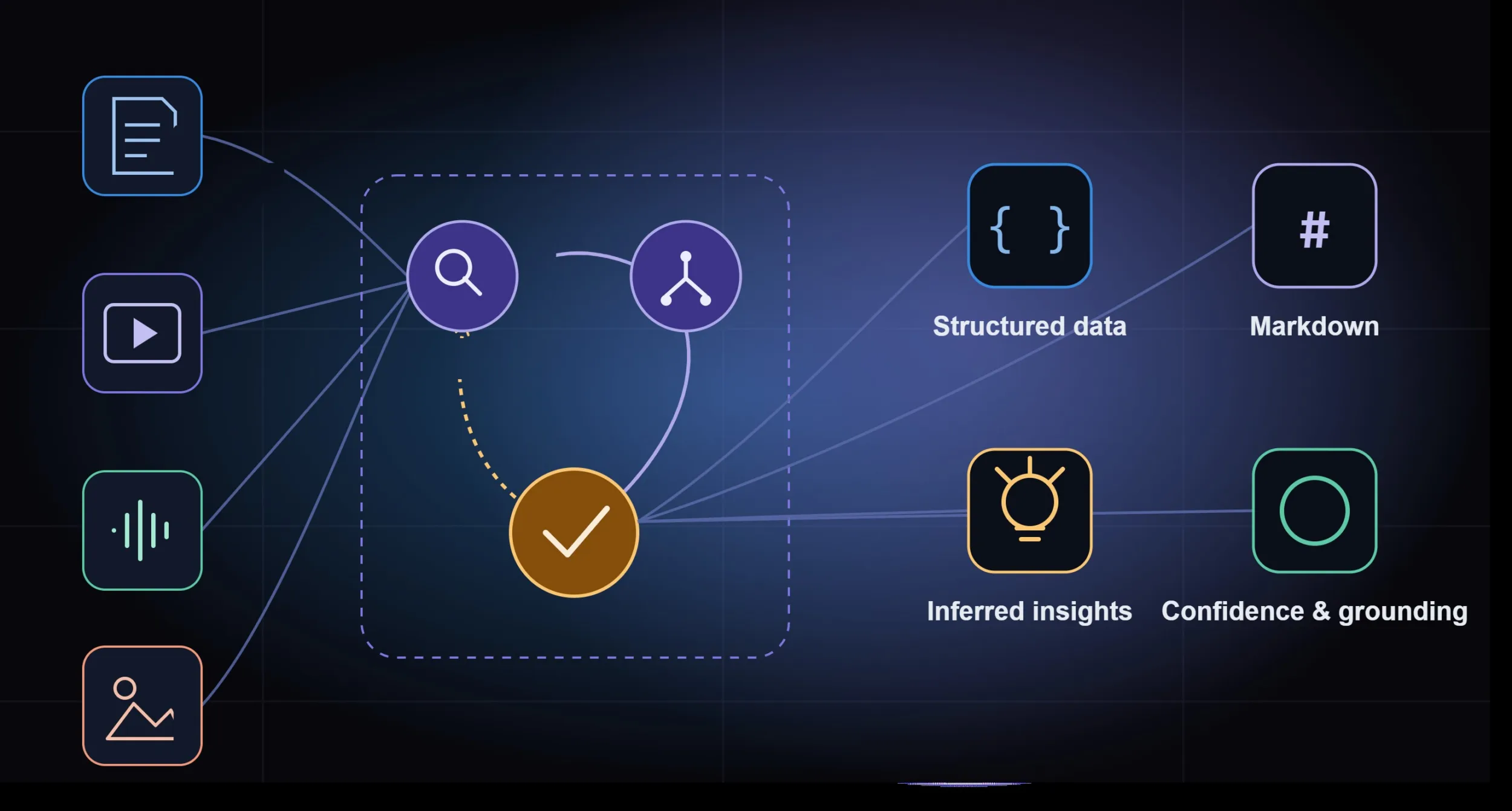
ここで鍵になるのが「Learning Loop(学習ループ)」だ。AIとのやり取りで得た知見、有効だったプロンプト、失敗の記録などを個人の頭の中に留めず、ドキュメントやナレッジベースとして組織に還流させる。蓄積された知識は次のAI活用の精度を高め、さらに新たな知見を生む。この循環が回るほど、投じたトークンが複利的に知識資産へと転換していく、という発想だ。
背景には、AIコーディング支援ツールの急速な普及がある。GitHub CopilotやCursor、各種チャット型アシスタントの導入自体は容易になった一方で、個人が使うだけでは組織全体の生産性向上につながりにくいという課題が指摘されてきた。ツールを導入することと、それを活かす組織的な仕組みを整えることは別問題だ、という認識が広がりつつある。
この枠組みが投げかけるのは、AIの効果をコスト効率だけで測ることへの疑問だ。短期的なトークン単価の最適化に注力するより、学習が蓄積される設計を優先すべきだという視点は、組織づくりに新たな論点を加える。ただし、どの程度の投資が妥当かは業種や組織の成熟度によって異なると見られ、効果測定の手法も含めて、今後の検証が求められる段階にあると言えるだろう。
A framework circulating in developer communities argues that the companies pulling ahead with artificial intelligence are not simply the ones that spend the most on it, but the ones that treat their spending differently. The core claim, laid out in a recent Qiita post on AI strategy, is that organizations widening the gap with competitors have reframed token consumption as a form of capital investment and have built continuous "learning loops" into their workflows so that knowledge compounds over time rather than evaporating after each interaction.
The central idea rests on a distinction between operating expense and capital investment. Every interaction with a large language model consumes tokens, the units of text that models read and generate, and each token carries a metered cost. The conventional view treats that cost as overhead to be minimized, much like an electricity bill. The "token capital" argument reframes it: when tokens are spent generating documentation, refining internal prompts, capturing decisions, or producing reusable artifacts, the expenditure can create durable assets rather than disposable output. Under this lens, the question shifts from "how do we cut token spend" to "what lasting value did this token spend produce."
That reframing only holds if the value is actually retained, which is where learning loops come in. A learning loop describes a cycle in which the outputs of AI use are captured, evaluated, and fed back into the organization so that the next attempt starts from a better baseline. In practice this can mean curating prompt libraries, maintaining shared repositories of validated answers, logging what worked and what failed, and encoding institutional context into reusable form. The premise is that without such a loop, teams repeatedly solve the same problems from scratch, and the knowledge generated in one conversation is lost when the session ends. With a loop, each cycle appears to raise the floor for the next, allowing knowledge assets to accumulate.
The framing intersects with several established ideas in software and management. The notion of compounding organizational knowledge echoes long-standing theory on organizational learning and knowledge management, including concepts such as tacit and explicit knowledge that predate the current AI wave by decades. It also aligns with the way modern AI tooling is evolving. Retrieval-augmented generation, in which a model draws on an external knowledge base rather than relying solely on its training data, is a technical mechanism well suited to storing and reusing the kind of institutional knowledge the framework describes. Similarly, the rise of coding assistants such as GitHub Copilot, along with agentic tools that can act across multiple steps, has made the volume of tokens a typical engineering organization consumes far larger and more strategically relevant than it was a few years ago.
Context around pricing reinforces why this conversation is happening now. As model providers have introduced larger context windows and more capable reasoning models, the cost profile of AI usage has become more visible on corporate budgets. Longer prompts, larger retrieved documents, and multi-step agent runs all increase token counts. A framework that treats those tokens as investment rather than pure cost offers organizations a way to justify heavier usage, provided they can point to accumulated assets as the return. It is worth noting that this is a conceptual model rather than a measured accounting standard; the analogy to capital investment is a way of thinking, and the actual returns depend heavily on execution.
Readers should treat the argument as a lens rather than a guarantee. The claim that AI-forward companies are systematically outperforming rivals is plausible but difficult to isolate from other factors such as talent, data quality, and existing engineering maturity. The framework appears most useful as a design principle: it encourages teams to ask whether their AI usage is producing reusable knowledge or merely one-off answers, and to build the storage, review, and retrieval mechanisms that would let value persist.
For teams evaluating their own AI adoption, the practical takeaways are relatively concrete. Capture and structure the outputs of AI work, measure not just token spend but what that spend leaves behind, and treat prompt libraries and knowledge bases as infrastructure worth maintaining. Whether or not the "token capital" label endures, the underlying discipline of closing the loop between usage and retained knowledge is consistent with how durable competitive advantages in software have tended to form.
ポコとTECHガイドPoko & TECH Guide
ポコと当サイトのTECHガイドが、記事の要約と収集した情報から読みどころを語るAI生成の対話です。Poko and TECH Dashboard's own TECH Guide discuss the article's highlights in an AI-generated conversation based on its summary and collected source details.
- ポコPokoAIの「トークン消費を資本投資として捉える」って、つまりどういうこと?What does it mean to treat AI token usage as a capital investment?
- TECHガイドTECH Guideトークンは、AIが文章などを扱うときの単位じゃな。記事では、消費して終わるコストではなく、知識を育てる投資として捉えておる。Simply put, tokens are units AI uses to process text. The article frames their use not as a one-off cost, but as an investment in building knowledge.
- ポコPokoへえ、成果物を作るだけじゃないんだ! それって企業には何がうれしいの?Oh, so it’s not just about producing outputs! What’s the benefit for a company?
- TECHガイドTECH Guide記事によれば、学習ループを仕事に組み込むことで知識資産を継続的に蓄積し、AIを使うほど競合との差を広げられるという話じゃよ。According to the article, embedding learning loops into workflows helps knowledge assets accumulate over time, potentially widening the gap with competitors as AI use grows.
- ポコPokoつまり、AIを使った経験を組織の知識として残し、次の仕事に生かす仕組みが大事なんだね。So the key is turning AI experience into organizational knowledge that can improve the next task.
- TECHガイドTECH Guideその通りじゃ。今後の見どころは、学習ループを組織設計にどう組み込み、AI導入の価値を継続させるかじゃな。Exactly. The key question is how organizations embed those learning loops so AI adoption keeps creating lasting value.