組織向けルールインサイトがパブリックプレビューで公開Rule insights for organizations in public preview
匿名の公開いいねです。記事の保存・お気に入りではなく、Featured、Top 3、重要度、掲載順位には影響しません。仕組みとプライバシーAnonymous public likes are reactions, not saved articles or bookmarks. They do not affect Featured, Top 3, importance, or listing order.How it works and privacy
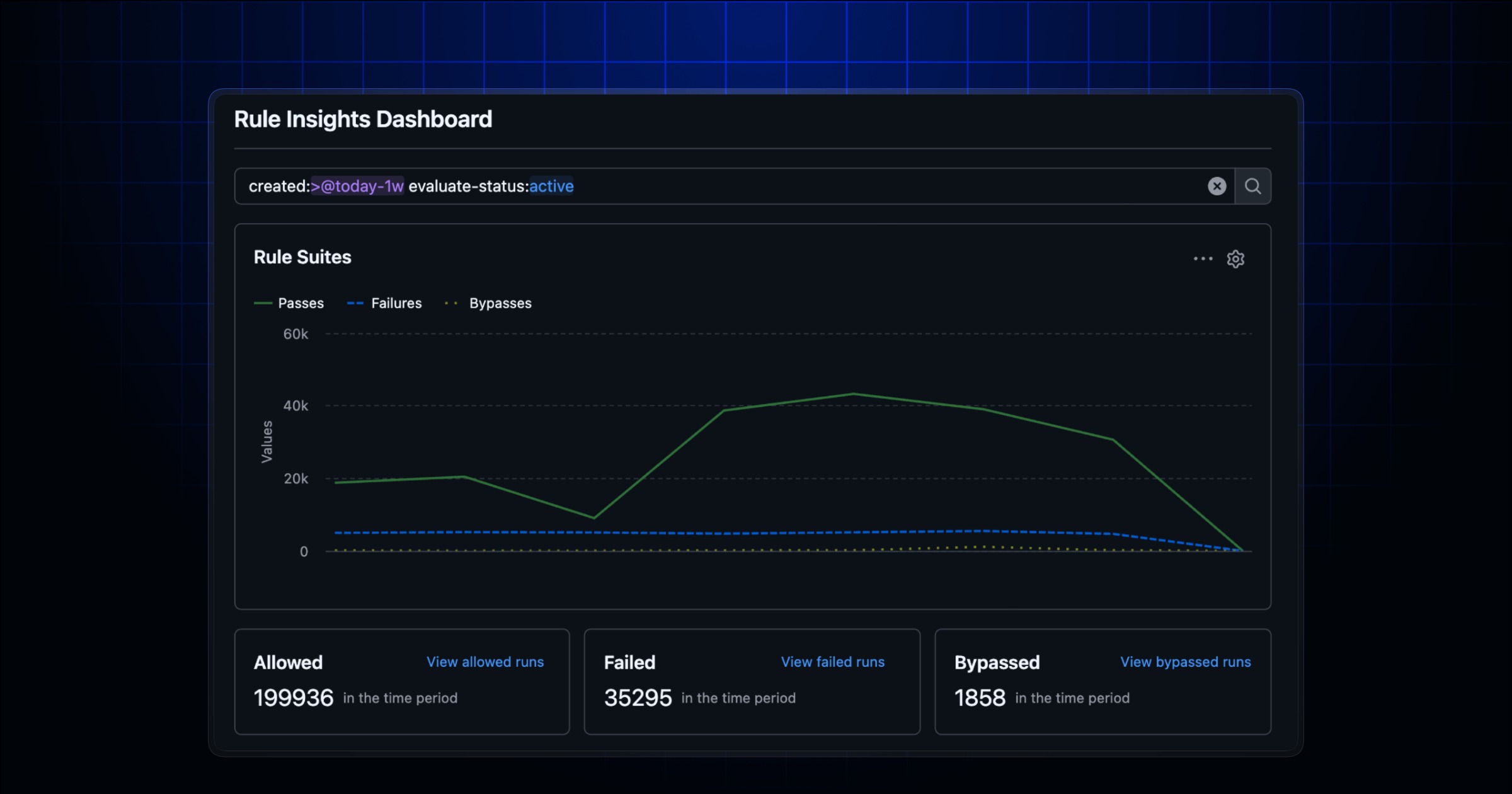
GitHubのルールインサイトダッシュボードが組織レベルでパブリックプレビューとして利用可能になり、リポジトリルールセットの評価・適用状況を視覚的に把握できるようになった。
GitHub's rule insights dashboard is now available in public preview at the organization level, giving teams a visual overview of how repository rulesets are evaluated and enforced.
要約と収集メタデータをもとに生成した AI 解説本文です。元記事全文の転載・翻訳ではありません。This AI explainer is generated from the summaries and collected metadata, not from a reproduction or translation of the full source article.
GitHubは、リポジトリのルールセットがどのように評価・適用されているかを視覚的に把握できる「ルールインサイト(rule insights)」ダッシュボードを、組織(Organization)レベルでパブリックプレビューとして公開した。管理者は組織全体のルール運用状況を俯瞰しやすくなる。
GitHubのルールセット(rulesets)は、ブランチやタグに対する保護設定、必須のステータスチェック、コミット履歴の制約などをまとめて定義できる仕組みで、従来のブランチ保護ルールに比べて柔軟に条件を設定できる点が特徴とされる。組織単位でルールセットを配布すれば、複数のリポジトリに共通のポリシーを適用でき、ガバナンスやコンプライアンスの観点からも活用が進んでいる。
今回パブリックプレビューとなったルールインサイトは、こうしたルールが実際にどのように評価・適用されているかを高レベルの視点で可視化するダッシュボードだ。個々のプッシュやマージごとの挙動を個別に追う代わりに、組織全体の状況を一望できるため、意図した通りにルールが機能しているか、あるいは特定の設定が想定外の挙動を招いていないかといった確認に役立つと見られる。
パブリックプレビューは、正式提供(GA)前に機能を広く試せる段階を指し、仕様や挙動が今後変更される可能性がある点には留意が必要だ。細かな対象範囲や制限などの詳細は、公式のリリース情報で確認することが望ましい。
ソースコード管理サービスでは、GitLabなどもプロジェクトやグループ単位でのポリシー管理機能を提供しており、開発プロセスの標準化や監査対応を支援する流れが広がっている。GitHub自身もルールセットの機能拡充を継続的に進めており、今回の組織レベルへの展開は、大規模組織における一元的なルール管理のニーズに応えるものと位置づけられる。
多数のリポジトリを抱えるチームにとって、ルールの適用状況を横断的に把握できる手段が増える意義は小さくない。プレビュー段階でのフィードバックが、今後の正式版に向けた改善につながる可能性もある。
GitHub has moved its rule insights dashboard into public preview at the organization level, giving administrators and platform teams a consolidated, visual view of how repository rulesets are being evaluated and enforced across their repositories. For organizations that rely on rulesets to standardize branch and tag protections at scale, the change matters because it centralizes information that was previously harder to assemble across many individual repositories.
Rule insights is designed to show, at a high level, how GitHub applies the rules an organization has defined. According to the changelog, the dashboard provides a visual overview of how rulesets are evaluated and enforced, which is intended to help teams understand whether the controls they configured are behaving as expected. Rather than inspecting each repository or reviewing raw event data, administrators can look at an aggregated picture at the organization scope.
To understand why this is useful, it helps to review what rulesets are. Repository rulesets are GitHub's framework for governing how branches and tags can be changed. They can require pull requests before merging, mandate passing status checks, enforce signed commits, restrict who can push or delete protected branches, and block force pushes, among other controls. Rulesets are the more flexible successor to classic branch protection rules, and a key advantage is that they can be defined once at the organization level and applied across many repositories at the same time. That makes them attractive for teams pursuing consistent governance, compliance, or security baselines, but it also increases the need for visibility into how those centrally defined rules are actually taking effect.
The rule insights capability appears to address that visibility gap. Because rules can be layered, targeted at specific repositories or branch patterns, and set to different enforcement states, it can be difficult to know whether a given rule is actively blocking actions, passing them through, or being bypassed. Some rulesets support an evaluate mode, which lets administrators observe how a rule would behave without actually enforcing it, and bypass permissions can allow certain actors to proceed even when a rule would otherwise apply. A dashboard that surfaces evaluation and enforcement patterns is likely intended to make these outcomes easier to audit and reason about before or after rules are fully enforced.
The organization-level scope is the notable expansion here. Rule insights has been available in a repository-focused form, and extending it to the organization level lets teams see enforcement trends across their broader estate rather than one project at a time. This aligns with GitHub's broader push toward organization-wide administrative tooling, where controls, security posture, and policy are increasingly managed centrally rather than repository by repository.
It is worth noting the public preview status. Features in public preview are generally available for organizations to try, but they can change based on feedback and are not covered by the same commitments as generally available functionality. Teams evaluating rule insights should treat the current behavior, interface, and data as subject to refinement, and organizations with strict change-management requirements may want to validate it before depending on it for formal reporting.
Rule insights sits alongside several adjacent GitHub tools that serve related governance and observability needs. The audit log records administrative and security-relevant events across an organization, while the security overview aggregates alerts from features such as code scanning, secret scanning, and Dependabot. Push protection and other push-based controls complement rulesets by intercepting problematic content before it lands. Rule insights complements these by focusing specifically on how the repository rules layer is functioning, which can be a prerequisite for confident policy enforcement.
For platform and security teams, the practical value is likely to be in troubleshooting and assurance. When a merge is unexpectedly blocked, or when a rule that should prevent a force push does not appear to fire, an aggregated view of evaluation results can shorten the time needed to diagnose the cause. Conversely, it can help confirm that newly rolled-out organization rulesets are being applied where intended.
Organizations interested in the feature can consult GitHub's documentation and changelog for details on availability, required permissions, and how to access the dashboard within their organization settings. As with other preview features, providing feedback during the public preview period can influence how the tool evolves before any general availability milestone.
本ページの本文と要約は AI による自動生成です。日本語版と英語版は言語ごとに独立して生成されるため、表現や詳しさが異なる場合があります。正確性は元記事 (github.blog) をご確認ください。The body and summaries are AI-generated independently for each language, so wording and detail may differ. Verify accuracy at the original source (github.blog).