AI企業がデータセンター拡張を求める中、TrumpのEPAが近隣住民の発言権を縮小かAI firms want more data centers; Trump's EPA may give neighbors less say
匿名の公開いいねです。記事の保存・お気に入りではなく、Featured、Top 3、重要度、掲載順位には影響しません。仕組みとプライバシーAnonymous public likes are reactions, not saved articles or bookmarks. They do not affect Featured, Top 3, importance, or listing order.How it works and privacy
トランプ政権のEPAがデータセンター建設に関する環境審査プロセスを簡略化する方針を示しており、地域住民が異議を申し立てる機会が大幅に減る可能性がある。
The Trump EPA is moving to streamline environmental reviews for data center construction, which could significantly reduce the ability of nearby residents to challenge or comment on new facilities.
本ページの本文と要約は AI による自動生成です。日本語版と英語版は言語ごとに独立して生成されるため、表現や詳しさが異なる場合があります。正確性は元記事 (arstechnica.com) をご確認ください。The body and summaries are AI-generated independently for each language, so wording and detail may differ. Verify accuracy at the original source (arstechnica.com).
要約と収集メタデータに基づく AI 解説。元記事全文の転載・翻訳ではありません。AI explainer based on the summaries and collected metadata, not a copy or translation of the full source article.
米国環境保護庁(EPA)が、AI向けデータセンター建設の環境審査を簡略化する方向で動いていると報じられている。急拡大する人工知能インフラの整備を後押しする一方で、近隣住民が計画に意見を述べたり異議を申し立てたりする機会が縮小する可能性があり、経済成長と地域環境保護のバランスをめぐる議論が改めて注目を集めている。
背景には、生成AIブームによる計算資源需要の急増がある。大規模言語モデルの学習と推論には膨大な電力と冷却が必要で、OpenAI、Google、Microsoft、Amazon、Metaといった大手が相次いで大規模施設への投資を発表している。データセンターは大量の電力消費に加え、冷却用の水利用、非常用発電機からの排出、変電所や送電網の増設など、地域のインフラや環境に幅広い影響を及ぼす。こうした施設は米国の環境関連法に基づき、大気や水質に関する許認可や環境影響評価の対象となる場合がある。
今回の動きは、トランプ政権が掲げる規制緩和とエネルギー・AI産業の育成という方針の延長線上にあると見られる。審査プロセスを短縮すれば、着工までの時間やコストを圧縮でき、事業者にとっては投資判断を進めやすくなる。一方で、環境影響評価は本来、住民が公聴会やパブリックコメントを通じて懸念を表明し、行政の判断に反映させるための重要な手続きでもある。手続きが簡略化されれば、住民が新設計画を事前に把握し、水資源の逼迫や騒音、局地的な大気への影響などについて発言する余地が狭まる懸念がある。
データセンターと地域社会の摩擦は、すでに各地で顕在化している。電力需要の急増を受けて州によっては新規契約の見直しや料金体系の議論が進み、水不足が深刻な地域では冷却方式や取水量が争点になっている。環境団体や一部の地方自治体は、透明性の低下や住民参加の後退につながりかねないとして、審査緩和に慎重な姿勢を示す可能性がある。反対に産業界や一部の政策担当者は、国際競争でAIインフラの整備速度が重要になるとして規制の合理化を支持すると見られる。
現時点で、具体的にどの手続きがどの程度簡略化されるのか、対象となる施設の規模や条件などの詳細は明確ではない。実際の運用は今後の規則案や連邦・州レベルの調整に左右されるとみられ、法的な異議申し立てが起こる可能性もある。AIの拡大が続くなかで、インフラ整備の速度と、地域環境および住民の発言権をどう両立させるかが、引き続き重要な論点になりそうだ。
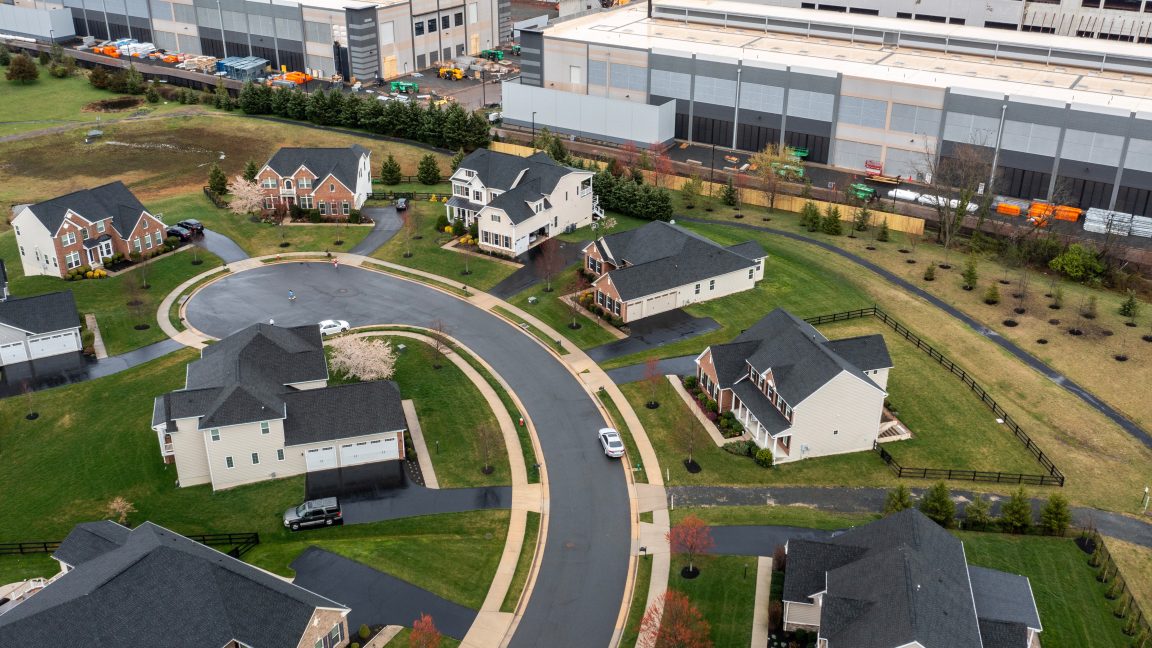
The Trump administration's Environmental Protection Agency is moving to streamline the environmental review process for data center construction, a shift that could sharply reduce the ability of nearby residents to challenge or comment on new facilities. The change matters because the current surge in artificial intelligence development has driven an unprecedented demand for large-scale computing infrastructure, and the sites where these facilities are built increasingly overlap with residential communities that have raised concerns about noise, water use, air quality, and strain on local power grids.
At the center of the debate is the National Environmental Policy Act, or NEPA, the decades-old law that requires federal agencies to assess the environmental effects of major projects and to give the public a formal opportunity to weigh in. Environmental reviews under NEPA can be time-consuming, and industry groups have long argued that the process slows infrastructure of all kinds. The EPA's reported approach appears to be aimed at accelerating approvals for data centers specifically, treating them as a category that warrants faster or lighter review. In practice, streamlining such reviews often means fewer public comment periods, shorter timelines, or the use of categorical exclusions that allow certain projects to bypass more detailed environmental analysis.
For residents living near proposed sites, the public comment stage is frequently the primary formal mechanism to raise objections or force closer scrutiny. Reducing or compressing that stage would limit the leverage communities have to demand mitigation measures or to contest a project's location. It is worth noting that data centers already tend to face fewer local hurdles than other industrial developments, partly because they are often marketed to municipalities as clean, high-value investments. Critics counter that the facilities carry real local costs, particularly around electricity and water consumption, which can be substantial for the cooling systems that keep dense racks of servers operational.
The regulatory move is inseparable from the broader AI infrastructure boom. Companies including major cloud providers and AI developers have announced enormous capital commitments to build out computing capacity, with individual campuses sometimes planned to consume as much power as a small city. This expansion has collided with grid constraints in several regions, prompting utilities to delay retirements of fossil fuel plants and, in some cases, to explore new gas or nuclear generation to meet demand. The pressure on the power system is one reason data center siting has become a contentious environmental issue rather than a purely economic one.
The timing also reflects a wider deregulatory posture. The administration has signaled support for rapid buildout of AI capacity as a matter of economic competitiveness and national strategy, framing regulatory friction as an obstacle to keeping pace with rival nations. Efforts to loosen NEPA requirements are not unique to data centers; similar arguments have been applied to energy projects, transmission lines, and manufacturing. Supporters of streamlining argue that faster permitting is necessary to build the transmission and generation that AI workloads require, and that lengthy reviews can themselves delay environmentally beneficial projects such as new clean energy connections.
Any formal change to how NEPA is applied is likely to face legal challenges. Environmental groups and affected residents have historically used the courts to contest agency decisions they view as inadequate, and reductions in review scope or public participation are a common basis for litigation. The durability of the EPA's approach may therefore depend on how it is codified, whether through rulemaking, guidance, or case-by-case exclusions, each of which carries different legal exposure.
For now, the practical effects remain to be seen and will depend on the specifics of any final policy. Communities weighing new data center proposals appear likely to have less formal recourse if the changes take hold, while operators may benefit from shorter and more predictable timelines. The situation illustrates a growing tension at the intersection of technology policy and environmental governance: the physical footprint of AI is expanding quickly, and the rules that govern where and how that footprint lands are being renegotiated in real time.
ポコとTECHガイドPoko & TECH Guide
ポコと当サイトのTECHガイドが、記事の要約と収集した情報から読みどころを語るAI生成の対話です。Poko and TECH Dashboard's own TECH Guide discuss the article's highlights in an AI-generated conversation based on its summary and collected source details.
- ポコPoko「環境審査を簡略化」って何? データセンターの近くに住む人は、意見を言いにくくなるの?What does “streamlining environmental reviews” mean? Would people living near a new data center have fewer chances to speak up?
- TECHガイドTECH Guide簡単に言うと、建設前に環境への影響を確認する手続きを簡素にすることじゃな。記事によれば、住民の意見をどこまで募るかを州が決める案じゃよ。Simply put, it means simplifying the process for checking environmental impacts before construction. According to the article, states could decide how much public input to allow.
- ポコPokoそれって何が問題なの? 手続きが簡単になるだけなら、よさそうにも聞こえるけど。So what’s the concern? If it just makes the process simpler, that sounds helpful too.
- TECHガイドTECH Guide記事が注目するのは、近隣住民が新施設に異議を唱えたり、意見を出したりする機会が大幅に減る可能性じゃ。場合によっては意見募集がないかもしれん。The article’s concern is that nearby residents could have far fewer opportunities to challenge or comment on new facilities. In some cases, there might be no public input at all.
- ポコPokoなるほど。建設の審査を簡略化する一方で、住民の声を届ける場まで小さくなるかもしれないんだね。Got it. The reviews may become simpler, but the space for local residents to be heard could shrink too.
- TECHガイドTECH Guideその理解でよいぞ。今後は、この方針がどう具体化され、各州が住民参加をどこまで認めるのかが見どころじゃな。Exactly. The key thing to watch is how the policy takes shape and how much public participation each state chooses to allow.