ハーネスエンジニアリングの解剖:AIコーディングエージェントを評価・反復・保護する方法The Anatomy of Harness Engineering: How to Evaluate, Iterate, and Guard AI Coding Agents
匿名の公開いいねです。記事の保存・お気に入りではなく、Featured、Top 3、重要度、掲載順位には影響しません。仕組みとプライバシーAnonymous public likes are reactions, not saved articles or bookmarks. They do not affect Featured, Top 3, importance, or listing order.How it works and privacy
- AIコーディングエージェントのハーネス設計は、ツール呼び出しやファイル変更を検証する局所的な行動評価を導入する。
- SWE-benchなどの総合指標と併用し、原因分析と更新時の回帰防止を効率化できる。
AI coding agent harnesses can add behavioral micro-tests for tool calls and file edits alongside SWE-bench, enabling faster diagnosis and safer prompt or model upgrades.
本ページの本文と要約は AI による自動生成です。日本語版と英語版は言語ごとに独立して生成されるため、表現や詳しさが異なる場合があります。正確性は元記事 (developers.googleblog.com) をご確認ください。The body and summaries are AI-generated independently for each language, so wording and detail may differ. Verify accuracy at the original source (developers.googleblog.com).
要約と収集メタデータに基づく AI 解説。元記事全文の転載・翻訳ではありません。AI explainer based on the summaries and collected metadata, not a copy or translation of the full source article.
SWE-bench
AIコーディングエージェントを改善するには、総合的な性能だけでなく、処理の途中で論理がどこから崩れたのかを確かめられる評価が重要になる。SWE-benchのようなエンドツーエンドのベンチマークは広範な性能スコアを示す一方、実行にコストと時間がかかり、根本原因の診断には不足する場合がある。
行動評価
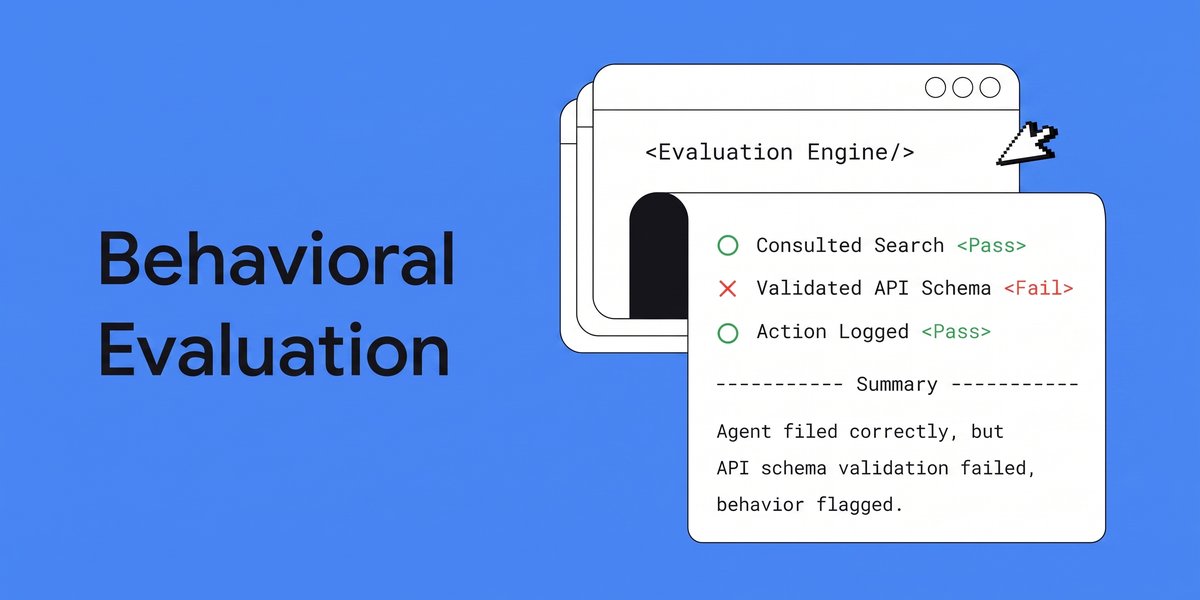
そこで導入するのが、エージェントの個別の中間動作を対象とした行動評価だ。これは高速かつ局所的に実行できる単体テスト形式の評価であり、最終文字列が期待値と一致したかだけを見るのではなく、処理の過程で特定の動作が行われたかを検証する。結果だけでは見えにくい論理上の問題を、より細かな単位で切り分けられる。
ツール呼び出し
具体的な評価対象には、エージェントが意図したツールを呼び出したか、必要なファイル変更を行ったかといった動作が含まれる。こうした離散的な中間アクションごとにマイクロチェックを設けることで、失敗した箇所を局所的に確認できる。最終結果の不一致だけを手掛かりにするよりも、どの動作で問題が起きたのかを診断しやすくなる。
回帰防止
行動評価は、SWE-benchなどのマクロなベンチマークを置き換えるものではなく、両者を併用する設計とされる。総合指標で広い性能を確認しながら、低コストなマイクロチェックで個別動作を確かめることで、システムプロンプトの反復やモデルのアップグレードを進めやすくなる。更新時にも既存の動作が後退していないかを検証でき、回帰のリスクを抑えながら変更を重ねられる。
Behavioral evaluations
AI coding agent harnesses can use behavioral evaluations to make testing more diagnostic and iteration safer. These fast, local, unit-style tests focus on discrete intermediate actions, helping developers identify where an agent’s logic broke down rather than relying only on a broad final performance score.
End-to-end benchmarks such as SWE-bench provide broad performance scores for AI agents. However, they are often expensive and slow, and they can lack the root-cause diagnostics needed to explain a failure precisely. A benchmark result may show overall performance without revealing which part of the agent’s behavior caused the problem.
Discrete intermediate actions
Behavioral evaluations address that limitation by asserting on specific actions performed during a task. The checks can verify that an agent made particular tool calls or applied expected file modifications. This shifts the evaluation target from only the final result to the individual behaviors that contributed to it.
These tests are described as micro-checks because they are local and inexpensive. Rather than depending on final string equality, they inspect meaningful intermediate actions. That narrower scope enables faster diagnosis when an agent does not behave as intended, because developers can examine the specific tool use or file edit that failed an assertion.
Micro-checks alongside macro benchmarks
Behavioral tests are intended to complement, rather than replace, end-to-end benchmarks. Engineering teams can use macro benchmarks such as SWE-bench for broad performance measurement while using micro-checks to investigate behavior at a more detailed level.
Building both forms of evaluation into an AI coding agent harness supports repeated changes to the system. Teams can iterate on system prompts and upgrade models while checking discrete behaviors for regressions. The broad benchmark tracks overall performance, while the local behavioral evaluations provide the faster root-cause information needed to understand where logic changed or broke down.
ポコとTECHガイドPoko & TECH Guide
ポコと当サイトのTECHガイドが、記事の要約と収集した情報から読みどころを語るAI生成の対話です。Poko and TECH Dashboard's own TECH Guide discuss the article's highlights in an AI-generated conversation based on its summary and collected source details.
- ポコPokoSWE-benchで総合点が出るのに、どうして小さなテストも必要なの?If SWE-bench already gives an overall score, why do we need smaller tests too?
- TECHガイドTECH Guide総合評価は広く測れる一方、遅くてコストがかかり、失敗原因を特定しにくいと本文は指摘しておる。そこで途中の動作を個別に確かめるんじゃ。The piece says broad benchmarks can be slow, costly, and poor at pinpointing failures. So developers also test individual actions along the way.
- ポコPokoつまり、完成品だけを見るより、料理の途中で手順を一つずつ確認する感じ?開発チームが直す場所を見つけやすくなるのかな。So it’s like checking each cooking step instead of only tasting the finished dish? Does that help engineering teams find what to fix?
- TECHガイドTECH Guideそういうイメージじゃよ。ツール呼び出しやファイル変更を小さく検証すれば、どこで論理が崩れたかを追いやすいと説明されておる。That’s the idea. The article describes checking tool calls and file edits in small tests, making it easier to trace where the agent’s logic failed.
- ポコPokoへえ、総合点と途中の動作チェックを組み合わせて、原因を早く探す仕組みなんだね!Oh, so the system combines overall scores with checks on intermediate actions to find problems faster!
- TECHガイドTECH Guideうむ。小さな検証だけに頼らず総合指標と併用し、プロンプトやモデルの更新で性能が後戻りするのを防ぐ狙いじゃ。Exactly. The proposed approach pairs micro-checks with broad benchmarks, aiming to prevent regressions when prompts or models are updated.



