気象機器メーカーAmbient Weather、強制アプリ移行で顧客から反発 Weather-monitoring firm hangs dark cloud over customers’ heads by forcing new app
- 気象観測機器メーカーのAmbient Weatherが、既存アプリを廃止し新アプリへの強制移行を進めたことで、ユーザーから強い反発を受けている。
- データ移行の不備や旧機器の非対応など、クラウド依存型IoT製品が抱える典型的な問題が浮き彫りとなった。
English summary
- Weather station maker Ambient Weather is forcing customers onto a new app, abandoning the old one and angering users who report lost data, broken integrations, and unsupported legacy hardware—highlighting the risks of cloud-dependent IoT devices.
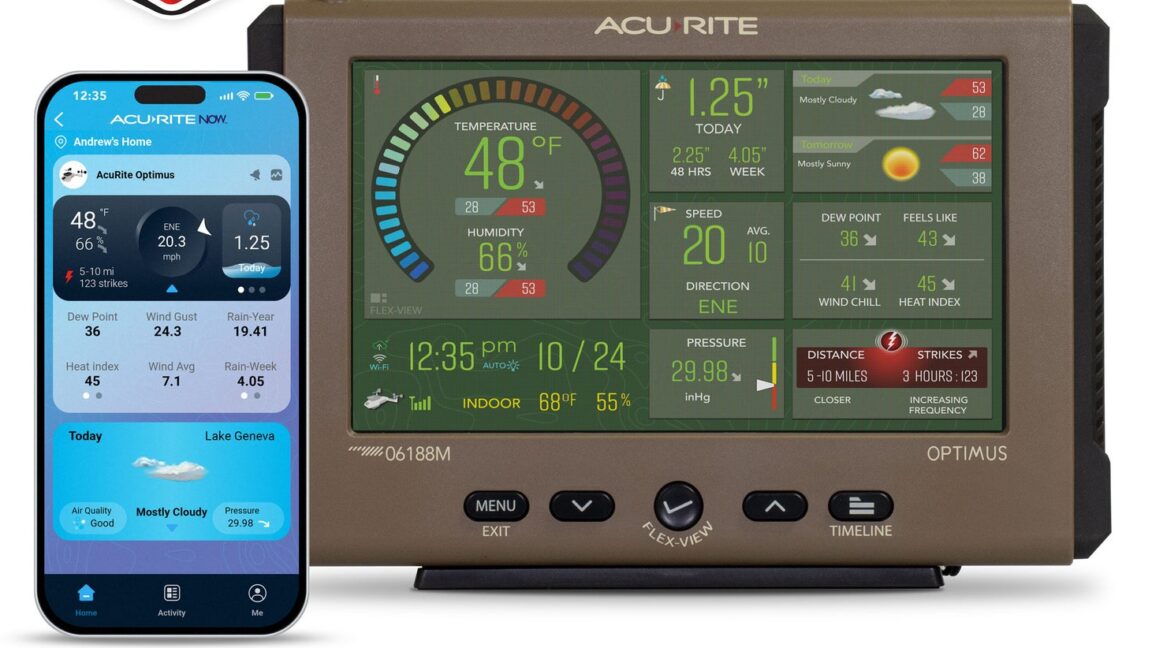
個人向け気象観測機器で知られるAmbient Weatherが、既存のスマートフォンアプリを廃止し、新しいアプリへの強制移行を実施したことで、ユーザーコミュニティから強い不満の声が上がっている。Ars Technicaが報じたところによれば、新アプリは旧アプリの機能を完全には再現しておらず、過去の観測データの引き継ぎや一部の旧型ハードウェアへの対応が不十分だという。
Ambient Weatherは、家庭用の気象ステーションやセンサー機器をクラウド連携で提供するメーカーであり、観測データはWeb経由でダッシュボードに表示され、IFTTTやスマートホームプラットフォームとも統合される設計になっている。今回の移行では、これまで安定して動作していたサードパーティ連携やAPI経由のデータ取得に支障が出ているとの報告もあり、自宅の気象データを長年蓄積してきたホビイストや農業従事者など、データの継続性を重視するユーザー層に影響を与えていると見られる。
背景には、IoT機器ベンダーが古い基盤を維持するコストを削減しつつ、新しいサブスクリプションモデルやデータ収益化に舵を切る動きがある。同様の問題はGoogleによるRevolv買収後の停波、SonosやBelkinの旧製品サポート打ち切りなど、過去にも繰り返されてきた。クラウド依存型のスマート家電は、メーカー側の判断ひとつで「文鎮化」しうるという構造的リスクを抱えている。
気象観測機器メーカーのAmbient Weatherが、既存アプリを廃止し新アプリへの強制移行を進めたことで、ユーザーから強い反発を受けている。
気象観測の分野では、Weather UndergroundやCWOP(Citizen Weather Observer Program)など、個人観測者が世界規模でデータを共有するネットワークが存在し、Ambient Weather製品もそのデータソースとなっている。今回の移行が長期的にこうした市民科学プロジェクトへのデータ供給にどの程度影響するかは現時点では不明だが、ユーザー側にとってはローカル保存が可能なEcowittなど競合製品への乗り換えを検討する契機になる可能性がある。
Ambient Weather, a well-known maker of consumer-grade weather stations, is drawing sharp criticism from its user base after forcing customers to migrate from its established mobile app to a new replacement. According to Ars Technica, the new app does not fully replicate the functionality of its predecessor, and a number of users report problems ranging from missing historical data to a lack of support for older hardware models.
Ambient Weather's products typically pair physical sensor arrays with a cloud backend that exposes data through dashboards, mobile apps, and APIs. Many enthusiasts rely on these feeds to integrate weather information into smart-home systems, IFTTT workflows, or third-party services such as Weather Underground. Some of these integrations have reportedly broken or behaved unpredictably during the transition. For hobbyists, citizen scientists, and small-scale farmers who have built up years of localized observation data, continuity is not a minor convenience but a core feature of the product.
The move follows a broader, increasingly familiar pattern in the IoT industry. Hardware vendors face mounting costs to maintain aging cloud infrastructure and often choose to sunset legacy stacks in favor of new platforms—sometimes tied to subscription tiers or richer data-collection schemes. Google's shutdown of the Revolv hub, Sonos's controversial obsolescence of older speakers, and Belkin's Wemo retreat have all illustrated how cloud-tethered devices can be effectively bricked or degraded by unilateral vendor decisions. Ambient Weather's situation appears to be a milder variant of the same structural risk: even when the hardware still works, the user experience is gated by software the customer does not control.
There is also a wider ecosystem dimension. Personal weather stations feed citizen-science networks like Weather Underground and the Citizen Weather Observer Program (CWOP), which aggregate hyperlocal observations that meteorologists, hobbyists, and even some forecasting models draw upon. If the new app or backend disrupts these feeds for any meaningful number of stations, the downstream effects could extend beyond individual customers, although the long-term impact is not yet clear.
For users frustrated by the forced migration, alternatives exist. Competing brands such as Ecowitt and WeatherFlow offer broadly similar hardware, and some support more open local-data options, including direct LAN access, MQTT, or self-hosted dashboards via projects like Home Assistant. Enthusiasts increasingly point to local-first designs as a hedge against exactly this kind of vendor-side disruption.
Ambient Weather has not, based on the available reporting, signaled that it intends to roll back the change. Whether the company will address specific complaints—particularly around legacy device compatibility and historical data export—will likely determine how much lasting damage the transition causes to its reputation among the dedicated community that has long championed its products.
本ページの本文・要約は AI による自動生成です。正確性は元記事 (arstechnica.com) をご確認ください。