コンゴとウガンダでスーダン株エボラ流行、65人死亡 Ebola outbreak with uncommon strain erupts in Congo and Uganda; 65 deaths
- コンゴ民主共和国とウガンダで珍しいスーダン型エボラウイルスによる流行が確認され、疑い例246件、死者65人が報告された。
- 承認済みワクチンが存在しないスーダン株の流行であり、国境を越えた拡大が懸念されている。
English summary
- An outbreak of the uncommon Sudan strain of Ebola has been confirmed in the Democratic Republic of Congo and Uganda, with 246 suspected cases and 65 deaths reported.
- Unlike the more common Zaire strain, no approved vaccine exists for Sudan ebolavirus, raising concerns about cross-border spread.
世界保健機関(WHO)などによれば、コンゴ民主共和国(DRC)とウガンダでエボラ出血熱の流行が確認され、疑い例は246件、死亡者は65人に達した。今回の流行で特に懸念されるのは、原因ウイルスがエボラウイルス属の中でも比較的まれな「スーダン型(Sudan ebolavirus)」である点だ。
エボラには複数の種が存在し、流行の中心となってきたのは「ザイール型(Zaire ebolavirus)」である。2014〜2016年の西アフリカでの大規模流行や、近年のDRCでの流行はいずれもザイール型によるもので、Merck社のErvebo(rVSV-ZEBOV)という承認済みワクチンが存在し、リング接種戦略によって封じ込めに大きな成果を上げてきた。一方、今回流行しているスーダン型に対しては、現時点で世界的に承認されたワクチンや治療薬は存在せず、対症療法と感染経路の遮断が主な手段となる。
スーダン型は1976年に初めて確認されて以降、過去にも複数回の流行が報告されているが、頻度は低い。直近では2022年にウガンダで流行し、約140人の感染と50人以上の死亡が報告された。その際にはサビン・ワクチン研究所などが開発中のスーダン型ワクチン候補の臨床試験が緊急的に検討されたが、流行が比較的早期に収束したため大規模試験には至らなかった経緯がある。
コンゴ民主共和国とウガンダで珍しいスーダン型エボラウイルスによる流行が確認され、疑い例246件、死者65人が報告された。
今回の流行ではDRCとウガンダの両国にまたがって患者が確認されており、国境を越えたヒトの移動と接触者追跡の難しさが指摘されている。両国とも過去のエボラ対応で培われた経験を持つが、医療インフラの脆弱性や治安情勢の不安定さが対応を複雑化させる可能性がある。WHOは監視体制の強化と、開発中のスーダン型ワクチン候補を流行下で評価する試験の枠組みを再検討する可能性もあると見られる。
エボラはコウモリを自然宿主と見られており、感染者の体液との濃厚接触によりヒト間で伝播する。致死率は株や医療アクセスにより異なるが、スーダン型では概ね40〜60%程度とされる。世界的なパンデミックとなる可能性は低いものの、地域医療従事者へのリスクは極めて高く、早期の封じ込めが鍵となる。
Health authorities including the WHO have confirmed an Ebola outbreak spanning the Democratic Republic of the Congo (DRC) and Uganda, with 246 suspected cases and 65 deaths reported so far. What sets this outbreak apart from the more familiar recent epidemics is the causative agent: the relatively uncommon Sudan ebolavirus, rather than the Zaire strain that has dominated past outbreaks.
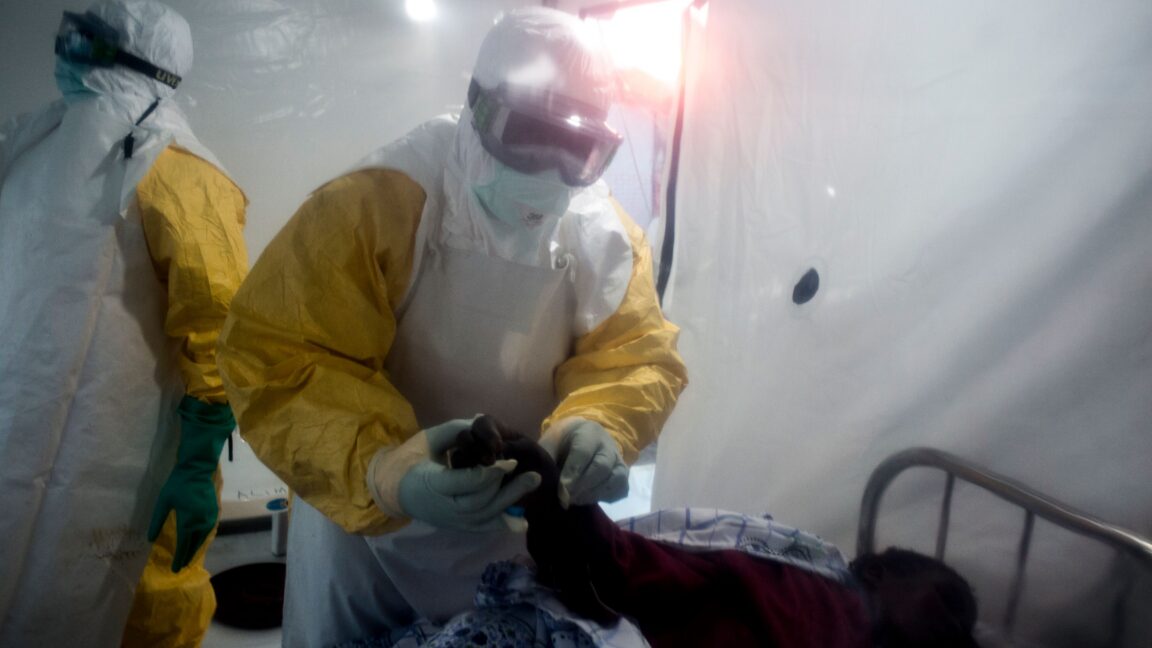
The Ebola virus genus contains several distinct species. The Zaire strain has been responsible for the largest outbreaks in modern history, including the catastrophic 2014–2016 West African epidemic and multiple subsequent flare-ups in the DRC. Crucially, Zaire ebolavirus has an approved vaccine, Merck's Ervebo (rVSV-ZEBOV), which has been deployed in ring-vaccination campaigns and has proven highly effective at containing outbreaks. No such approved vaccine exists for the Sudan strain, leaving public health teams largely reliant on classical outbreak control: contact tracing, isolation, safe burials, and supportive care.
Sudan ebolavirus was first identified in 1976 and has reappeared sporadically over the decades. The most recent significant outbreak occurred in Uganda in 2022, which produced roughly 140 cases and more than 50 deaths before being contained. During that episode, candidate Sudan-strain vaccines from developers such as the Sabin Vaccine Institute and IAVI were prepared for emergency clinical evaluation, but the outbreak ended before a full efficacy trial could be conducted. As a result, the world entered the current outbreak with several promising candidates still awaiting field validation.
The cross-border nature of the current outbreak adds operational complexity. Patient movement between the DRC and Uganda complicates contact tracing, and both countries face overlapping challenges from fragile health infrastructure and, in eastern DRC in particular, ongoing security concerns that have historically hampered outbreak response. Both nations, however, also bring substantial institutional experience from prior Ebola and Marburg responses, including established treatment center protocols and community engagement networks.
An outbreak of the uncommon Sudan strain of Ebola has been confirmed in the Democratic Republic of Congo and Uganda, with 246 suspected cases and 65 deaths reported.
It remains plausible that the WHO and partners will revisit emergency-use frameworks for the experimental Sudan vaccines, potentially deploying them under research protocols similar to those used for Ervebo before its full licensure. Monoclonal antibody therapies, which have transformed survival rates for Zaire ebolavirus when administered early, do not yet have proven equivalents for Sudan ebolavirus, though several candidates are in development.
Epidemiologically, Ebola is believed to circulate in fruit bat reservoirs, with spillover events occasionally triggering human outbreaks that then propagate through close contact with bodily fluids. Case-fatality rates vary widely with strain and access to supportive care; historical Sudan strain outbreaks have shown fatality rates roughly in the 40–60 percent range, lower than Zaire's typical figures but still severe. The risk of global pandemic spread is generally considered low for Ebola due to its transmission mode, but the danger to frontline healthcare workers and local communities is acute, making rapid containment and international support essential. Observers will likely watch closely whether candidate vaccines move into deployment in the coming weeks.
本ページの本文・要約は AI による自動生成です。正確性は元記事 (arstechnica.com) をご確認ください。