石炭火力の大気汚染が太陽光発電量を大幅に押し下げる Solar power production undercut by coal pollution
- 石炭火力発電所が放出するエアロゾルや煤煙が日射を遮り、近隣の太陽光パネルの発電効率を下げているとの研究結果が報告された。
- 中国やインドなど石炭依存国では影響が顕著で、脱石炭が再エネ拡大の追い風になる可能性がある。
English summary
- New research shows that aerosol and soot emissions from coal-fired power plants significantly reduce solar panel output by blocking sunlight, with the largest impacts seen in coal-heavy regions like China and India.
- Phasing out coal could thus indirectly boost renewable energy yields.
石炭火力発電所が排出する大気汚染物質が、太陽光発電の出力を目に見えて押し下げているとの研究結果が報告された。化石燃料と再生可能エネルギーが競合する単純な構図ではなく、前者の運用そのものが後者の効率を直接削っている点が興味深い。
石炭の燃焼で放出される硫酸塩エアロゾル、煤(ブラックカーボン)、各種粒子状物質は大気中に滞留し、太陽光を散乱・吸収する。その結果、地表に到達する直達日射量(DNI)が減少する、いわゆる「グローバル・ディミング」と呼ばれる現象を引き起こす。太陽光パネルにとって、雲とは異なるこの微粒子による減光は、発電量に直接的な影響を及ぼす。
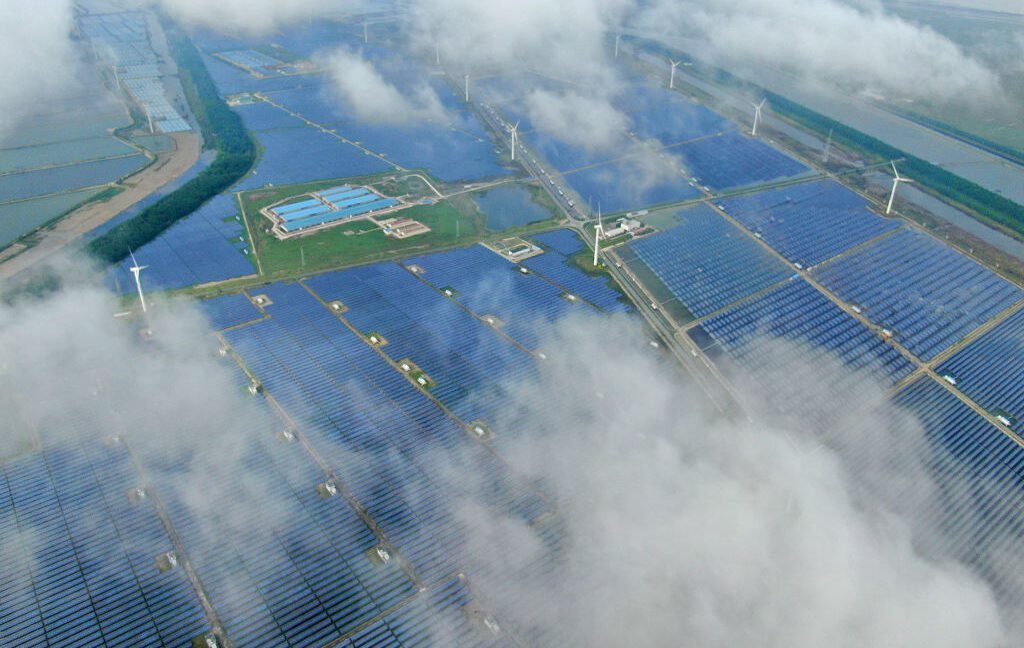
研究では、石炭火力発電所の周辺地域で太陽光パネルの発電効率が有意に低下していることが示されたという。特に中国北部やインド北部のように、石炭火力が密集し、かつ大規模な太陽光発電所建設が進む地域では影響が大きいと見られる。皮肉なことに、再エネ拡大を最も必要としている地域こそが、既存の石炭火力によって再エネのポテンシャルを削がれている格好だ。
石炭火力発電所が放出するエアロゾルや煤煙が日射を遮り、近隣の太陽光パネルの発電効率を下げているとの研究結果が報告された。
関連する背景として、過去十数年の研究では、東アジアで大気質改善が進んだ期間に地表日射量が回復する「ブライトニング」が観測されてきた。欧州でも1980年代以降の脱硫対策で同様の傾向が報告されている。逆に言えば、石炭火力の段階的廃止は気候変動対策としての効果だけでなく、既設の太陽光発電設備の出力向上という即時的な配当をもたらす可能性がある。
また、太陽光パネル表面に粒子が堆積する「ソイリング」も別途指摘されている問題で、清掃コストや水使用量の増加を招く。砂漠地帯の大規模PVプラントでは自動清掃ロボットの導入も進むが、汚染源そのものを減らせばこうした運用コストの圧縮にもつながる。エネルギー転換の議論において、発電源同士の相互作用という視点は今後より重視されそうだ。
A new study highlights an under-appreciated feedback in the energy transition: pollution from coal-fired power plants is measurably suppressing the output of nearby solar installations. Rather than competing only on cost and policy, fossil fuels are directly eroding the productivity of the renewables meant to replace them.
Burning coal releases sulfate aerosols, black carbon, and other particulates that linger in the atmosphere and both scatter and absorb incoming sunlight. The result is a reduction in direct normal irradiance reaching the surface, a phenomenon long studied under the umbrella of global dimming. Unlike clouds, this haze is persistent and concentrated near industrial regions, and it cuts directly into the photons that photovoltaic panels can convert to electricity.
According to the research, solar farms downwind of major coal plants see noticeably lower yields than would be expected from clear-sky models. The effect appears strongest in regions like northern China and northern India, where coal generation is densely clustered and where, ironically, governments are also aggressively expanding solar capacity. In other words, the places that most need renewables to scale are the same places where legacy coal infrastructure is quietly clipping renewable performance.
The finding fits within a broader observational record. Atmospheric scientists have documented a swing from dimming in the mid-20th century to a partial brightening in Europe and parts of North America after sulfur emission controls took hold from the 1980s onward. East Asia has shown more mixed behavior, with brightening tied closely to recent air quality crackdowns. If those patterns hold, retiring coal plants would deliver a double dividend: lower CO2 emissions and a measurable boost to the output of existing solar fleets, without installing a single new panel.
New research shows that aerosol and soot emissions from coal-fired power plants significantly reduce solar panel output by blocking sunlight, with the largest impacts seen in coal-heavy regions like China and India.
There is also a related but distinct problem known as soiling, where particulate matter and dust accumulate directly on panel surfaces, requiring cleaning that consumes water and labor. Large desert PV plants increasingly deploy robotic dry-cleaning systems to manage this, and operators in highly polluted regions already factor soiling losses of several percent into financial models. Reducing upstream emissions would ease both the atmospheric dimming and the on-panel soiling components of the loss.
The policy implication is subtle but important. Most cost-benefit analyses of coal retirement focus on health impacts, carbon emissions, and electricity market dynamics. Adding the avoided suppression of solar output, which may translate into meaningful gigawatt-hours over a country-sized fleet, could tilt the economics further. It also reframes coal and solar as not merely competing technologies but as physically interacting ones, where the operation of one degrades the performance of the other.
As grids around the world push toward higher renewable shares, these cross-sector interactions are likely to receive more attention. Wind output, hydropower availability, and even transmission losses all respond to atmospheric and climatic shifts that are themselves shaped by the generation mix. Treating the energy system as a coupled physical and economic network, rather than a stack of independent technologies, may become essential to planning the next phase of decarbonization.
本ページの本文・要約は AI による自動生成です。正確性は元記事 (arstechnica.com) をご確認ください。