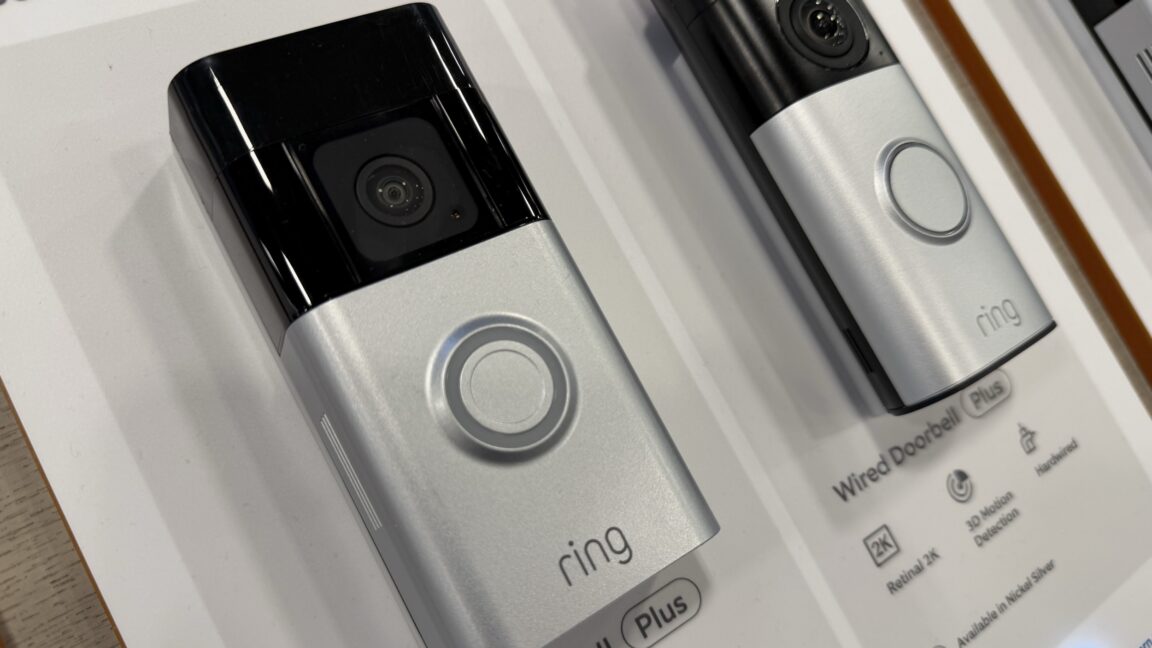
Amazon傘下のRingが顔スキャンで訴訟、ユーザーへの補償を求める声 Amazon-owned Ring should pay Americans for scanning their faces, lawsuit says
- AmazonのRingカメラが訪問者や通行人の顔をAIでスキャン・識別しているとして、集団訴訟が提起された。
- 原告側はRingがユーザーの同意なく生体情報を収集しているとして、金銭的補償を求めている。
English summary
- Lawsuit: Ring cameras scan guests and passersby and use AI to identify faces.
Amazonが所有するスマートドアベル・監視カメラブランドのRingが、訪問者や近隣の通行人の顔をAIで自動識別しているとして、集団訴訟を起こされた。原告側は、こうした生体情報の収集が本人の同意なく行われており、プライバシー侵害にあたると主張している。
Ringカメラは米国の住宅に広く普及しており、玄関先の映像をリアルタイムで記録・共有できるとして人気を集めてきた。しかし今回の訴訟では、カメラが単なる映像記録にとどまらず、AIを活用して映り込んだ人物の顔データを分析・識別している点が問題視されている。顔認識技術は指紋と同様に生体情報(バイオメトリクス)に分類され、一度流出すると変更が不可能なため、特に慎重な取り扱いが求められる。
米国では州レベルで生体情報保護法の整備が進んでおり、イリノイ州の「生体情報プライバシー法(BIPA)」は特に厳格なことで知られる。BIPAは企業が生体情報を収集・使用・共有する際に書面による同意を義務付けており、違反1件につき最大5,000ドルの損害賠償を認めている。今回の訴訟もこうした州法を根拠としている可能性がある。
AmazonのRingカメラが訪問者や通行人の顔をAIでスキャン・識別しているとして、集団訴訟が提起された。
顔認識をめぐるプライバシー論争はRingに限った話ではない。Meta、Clearview AI、Googleなどもそれぞれ顔認識技術の利用や顔データの無断収集をめぐって訴訟や規制当局の調査に直面してきた。特にClearview AIは数十億枚の顔画像をネット上からスクレイピングして警察向けサービスを提供し、複数の国で制裁を受けた。
Amazon自身も過去にAWS上の顔認識サービス「Rekognition」を警察機関に提供していたことで批判を浴び、2020年に一時的に警察への提供を停止した経緯がある。今回の訴訟は、民間の防犯カメラが日常的な監視インフラに組み込まれつつある現状に対する社会的懸念を改めて浮き彫りにしていると言えるだろう。Amazonはこれまでのところ公式コメントを出しておらず、今後の対応が注目される。
Amazon's Ring, one of the most widely used home security camera brands in the United States, is facing a class-action lawsuit alleging that its devices use artificial intelligence to scan and identify the faces of visitors and passersby — without their knowledge or consent. The suit demands financial compensation for Americans whose biometric data may have been harvested in this way.
Ring cameras have become fixtures outside millions of American homes, marketed primarily as a convenient way to monitor front doors and share video clips with neighbors via the Neighbors app. But the lawsuit pushes past the familiar privacy concerns around video surveillance, targeting a more sensitive capability: facial recognition. Unlike a recorded video clip, a facial scan constitutes biometric data — information as unique and immutable as a fingerprint. Once compromised, it cannot be changed.
The legal backdrop matters here. Several U.S. states have enacted biometric privacy laws, with Illinois leading the way through its Biometric Information Privacy Act, or BIPA. The law requires written consent before any entity collects biometric identifiers and allows for statutory damages of up to $5,000 per willful violation — making it a powerful tool for class-action litigation. It's likely, though not confirmed in available reporting, that the Ring suit draws on BIPA or similar state-level statutes.
Ring is hardly the first tech company to find itself in the crosshairs over facial recognition. Meta settled a BIPA-related facial recognition lawsuit for $650 million in 2021. Clearview AI, which scraped billions of face images from the web to build a law enforcement search tool, has faced bans and fines across multiple countries. Google quietly shut down its face-grouping feature in Google Photos in some regions amid regulatory pressure. The pattern suggests courts and regulators are growing less tolerant of biometric data collection that outpaces user awareness.
Amazon itself has navigated this terrain before. Its cloud-based facial recognition service Rekognition drew sharp criticism for being sold to law enforcement agencies, prompting Amazon to impose a one-year moratorium on police use in 2020 — a moratorium that has since quietly expired. The company has consistently argued that its technology, when properly governed, can be used ethically, but critics contend that the governance frameworks rarely keep pace with deployment.
For Ring specifically, the core tension is architectural. The cameras are consumer products installed by private homeowners, but they inevitably capture images of people who never agreed to be scanned — mail carriers, neighbors, children on bikes. If AI is processing those images to build identity profiles, the consent question becomes legally and ethically acute. Amazon has not issued a public response to the lawsuit as of the time of writing, and it remains to be seen whether the company will contest the facial recognition claims outright or seek a settlement. Either way, the case adds to mounting pressure on the smart home industry to be more transparent about what its cameras are actually doing with the data they collect.
本ページの本文・要約は AI による自動生成です。正確性は元記事 (arstechnica.com) をご確認ください。