Google I/O 2026「Dialogues」ステージの主要発表を振り返る Catch up on the Dialogues stage at Google I/O 2026.
- Google I/O 2026では新設された「Dialogues」ステージが注目を集めた。
- AIや最新技術に関する対話形式のセッションが展開され、Googleの研究・製品両面における最前線の取り組みが紹介された。
English summary
- A recap of the 2026 I/O Dialogues, where leaders discuss the future of AI, quantum computing, robotics and creativity.
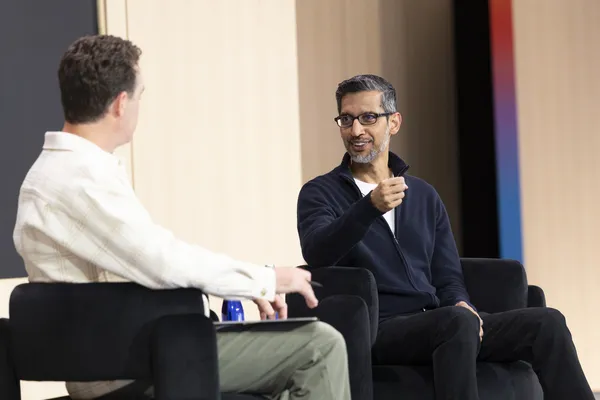
Google I/O 2026において、新たに設けられた「Dialogues」ステージは、従来の基調講演とは異なる対話形式のセッションを通じてGoogleの技術的ビジョンを掘り下げる場として注目を集めた。エンジニア、研究者、プロダクトリーダーが登壇し、AIをはじめとする幅広いテーマについて率直な議論が交わされた。
Dialoguesステージの特徴は、大規模な発表の場というよりも、より親密で深い技術的対話を促す設計にある点だ。参加者は登壇者に直接質問を投げかけられる場面もあり、Google社内の思考プロセスや課題意識を垣間見ることができた。セッションではGeminiをはじめとする大規模言語モデルの応用、AIエージェントの実用化、開発者向けツールの進化などが主要なトピックとして取り上げられたと見られる。
Googleはここ数年、Google I/Oをエンドユーザー向けプロダクト発表の場だけでなく、開発者コミュニティや研究者との双方向の交流の場として位置付ける傾向を強めている。2024年以降はAIへの投資が急加速しており、2026年の同イベントもその流れを色濃く反映したものとなっている。
AIや最新技術に関する対話形式のセッションが展開され、Googleの研究・製品両面における最前線の取り組みが紹介された。
関連する動向として、MicrosoftのBuildやAppleのWWDCといった主要テックカンファレンスも、基調講演に加えて深掘りセッションや対話型フォーマットを拡充する傾向にある。こうしたフォーマットの多様化は、AIや複雑な技術トピックを正確に伝えるためのコミュニケーション戦略の変化を示しているとも読み取れる。Dialoguesステージは、Googleがただ製品を売り込むだけでなく、技術的な透明性と開発者との信頼関係を重視していることを示す取り組みとして評価できる。今後もこのような対話重視のフォーマットが同イベントの定番になっていく可能性がある。
Google I/O 2026 introduced a fresh format to the annual developer conference with the debut of the Dialogues stage — a dedicated venue for in-depth, conversational sessions that set itself apart from the polished spectacle of the main keynote. Engineers, researchers, and product leaders gathered on stage to discuss AI, emerging technology, and Google's broader technical roadmap in a more candid, accessible setting.
The Dialogues format is notable precisely because of what it is not: a product announcement stage. Instead, it appears designed to foster substantive exchange between Google's internal experts and the broader developer community. Attendees reportedly had opportunities to pose direct questions, offering a rare window into the company's internal thinking, ongoing challenges, and research priorities. Topics likely covered the continued evolution of Gemini and large language models, the maturation of AI agents, and tooling advances for developers building on Google's platforms.
This kind of format shift reflects a broader strategic evolution at Google I/O. Over the past several years, Google has been repositioning the conference not just as a launchpad for consumer products but as a genuine gathering point for developers and researchers. The acceleration of AI investment since 2024 has made this pivot all the more pronounced, with the 2026 event leaning heavily into themes of applied intelligence and agentic computing.
The trend is not unique to Google. Microsoft's Build and Apple's WWDC have similarly expanded their session formats to include more intimate, deep-dive presentations alongside high-profile keynotes. As AI topics grow more technically complex, conference organizers across the industry appear to recognize that a single announcement stage is no longer sufficient to convey the full depth of what their platforms can do.
The Dialogues stage can be read as Google's acknowledgment that credibility and transparency matter as much as spectacle — particularly in an era when developers are making increasingly consequential decisions about which AI ecosystems to build on. Whether this format becomes a permanent fixture of I/O remains to be seen, but early reception suggests it fills a genuine gap in how the company communicates its most ambitious technical work.
本ページの本文・要約は AI による自動生成です。正確性は元記事 (blog.google) をご確認ください。