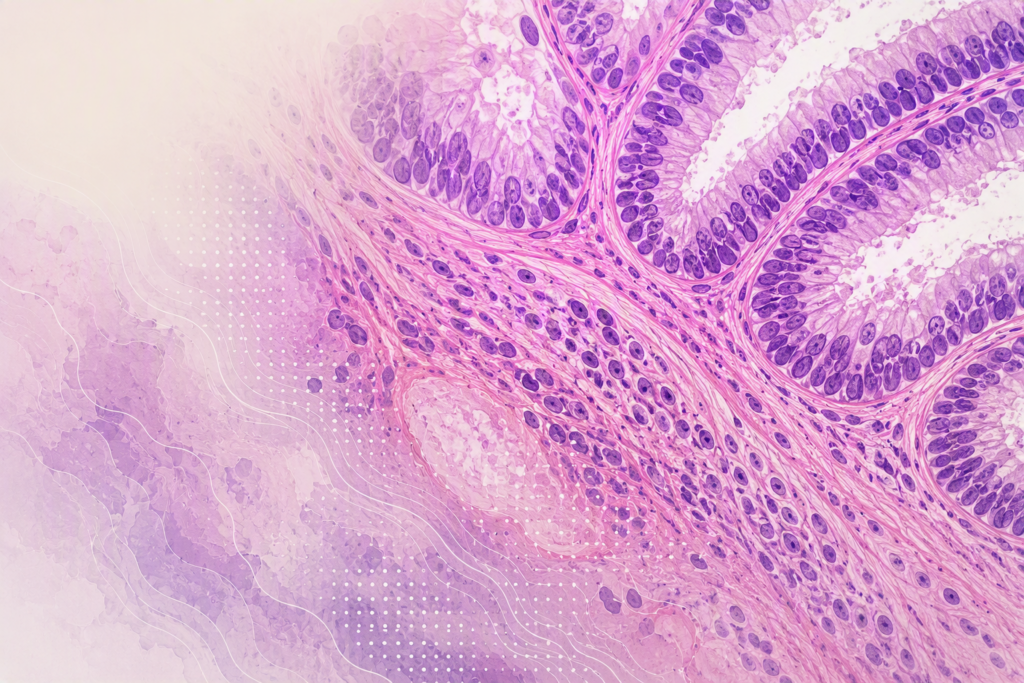
AIに病理学の言語を教えるTeaching AI to speak the language of pathology
匿名の公開いいねです。記事の保存・お気に入りではなく、Featured、Top 3、重要度、掲載順位には影響しません。仕組みとプライバシーAnonymous public likes are reactions, not saved articles or bookmarks. They do not affect Featured, Top 3, importance, or listing order.How it works and privacy
Microsoftは病理学の専門用語や画像をAIが理解できるよう訓練する取り組みを紹介しており、医療診断の精度向上に貢献する可能性がある。
Microsoft explores training AI models to understand the specialized language and imagery of pathology, potentially improving diagnostic accuracy in medical settings.
本ページの本文と要約は AI による自動生成です。日本語版と英語版は言語ごとに独立して生成されるため、表現や詳しさが異なる場合があります。正確性は元記事 (news.microsoft.com) をご確認ください。The body and summaries are AI-generated independently for each language, so wording and detail may differ. Verify accuracy at the original source (news.microsoft.com).
要約と収集メタデータに基づく AI 解説。元記事全文の転載・翻訳ではありません。AI explainer based on the summaries and collected metadata, not a copy or translation of the full source article.
病理学の言語
人工知能に病理学の専門用語と組織画像を学ばせる、新たな病理基盤モデル「PRISM2」が開発された。実際の病理報告書に基づく言語と画像の双方を訓練に使うことで、将来の病理研究や開発を支援することが目指されている。
単一課題の壁
AIはすでに、診断画像に現れるパターンを見つけ、病気の兆候を検出する場面で臨床医を支援している。一方、現在の病理AIシステムの多くは、単一の課題に対応するよう構築されている。このため、新しい用途へ適用する際には、その用途に合わせてシステムを再構築する必要がある。PRISM2は、こうした方式とは異なるアプローチとして提示された。
PRISM2の訓練
PRISM2を開発したのは、Microsoft Researchと、現在はTempusの一部となっているPaigeの研究者らだ。このモデルは、組織画像だけでなく、実際の病理報告書を基にした言語でも訓練されている。病理画像に含まれる視覚的な情報と、病理学で使われる専門的な言葉を学習対象にする点が中心となる。この研究はNature Medicineに掲載された。
テキストの活用
開発の狙いは、利用可能な大量のテキストデータからAIが学べるようにし、今後の病理研究と開発を支援できるシステムを作ることにある。病理学の言語と画像をAIが理解できるよう訓練する取り組みであり、医療現場における診断精度の向上に貢献する可能性があるとされている。
Pathology AI systems
PRISM2 is a pathology foundation model designed to learn from tissue images and language based on real pathology reports. The approach matters because many pathology AI systems are built for a single task and must be rebuilt for each new application.
Artificial intelligence is already helping clinicians identify patterns in diagnostic images and detect signs of disease. PRISM2 takes a different approach from single-task systems by combining pathology imagery with the specialized language used in pathology reports.
Tissue images and language
Researchers from Microsoft Research and Paige, now part of Tempus, developed PRISM2. Its training used both images of tissue and language derived from real pathology reports, allowing the model to learn from two forms of pathology information.
The use of report language is central to the project. Large amounts of pathology information are available as text, and the researchers aimed to help AI learn from that material alongside tissue images. This work focuses on teaching an AI model to understand both the terminology and imagery associated with pathology rather than limiting it to one narrowly defined application.
Future pathology research
A study describing PRISM2 was published in Nature Medicine. According to the source, the model was created to support future pathology research and development.
The project does not present PRISM2 simply as another system for a single diagnostic task. Instead, it explores whether a foundation model trained with tissue images and real report language can provide a broader basis for subsequent work in pathology AI. Microsoft says training AI to understand specialized pathology language and imagery could potentially contribute to improved diagnostic accuracy in medical settings.
ポコとTECHガイドPoko & TECH Guide
ポコと当サイトのTECHガイドが、記事の要約と収集した情報から読みどころを語るAI生成の対話です。Poko and TECH Dashboard's own TECH Guide discuss the article's highlights in an AI-generated conversation based on its summary and collected source details.
- ポコPokoPRISM2が組織画像だけでなく、実際の病理報告書の言葉も学ぶって、つまりどういうこと?PRISM2 learns from real pathology-report language as well as tissue images. What does that actually mean?
- TECHガイドTECH Guideこの記事では、画像と専門的な言葉の両方で訓練した病理学の基盤モデルじゃ。基盤モデルとは、将来の研究開発の土台になるAIという意味じゃよ。The article describes a pathology foundation model trained with both images and specialized language. A foundation model is an AI base designed to support future research and development.
- ポコPoko一つの用途専用の道具を毎回作る代わりに、共通の道具箱を用意する感じ?誰にどう役立つの?So it’s like creating a shared toolbox instead of rebuilding a single-purpose tool each time? Who could use it, and how?
- TECHガイドTECH Guideそのたとえに近く、紹介された狙いは病理の研究者や開発者が報告書の文章をAI学習に生かし、将来の研究開発を支えることじゃ。診断精度向上につながる可能性もあるんじゃよ。That analogy is close. The stated aim is to help pathology researchers and developers use report text for AI training and support future R&D, with possible benefits for diagnostic accuracy.
- ポコPokoへえ、PRISM2は画像と言葉の両方を学ぶ、用途ごとにAIを作り直す方式とは違う土台なんだね。Got it—PRISM2 learns from both images and language, offering a foundation different from rebuilding AI for every task.
- TECHガイドTECH Guideそうじゃ。ただし、ここで示されているのは将来の研究開発を支える狙いで、診断精度の向上はまだ可能性として受け止めるのが大切じゃよ。Exactly. But the piece frames support for future research and development as the goal; better diagnostic accuracy remains a possibility, not a guaranteed result.