HomeGitHub CopilotMCPサーバーが増えすぎる前に、ARDで「必要なツールを探す」仕組みを動かす

MCPサーバーが増えすぎる前に、ARDで「必要なツールを探す」仕組みを動かすThe article explains Agentic Resource Discovery (ARD), a mechanism that lets AI…

AI要点サマリSummary highlight

MCPサーバーが乱立する環境でエージェントが必要なツールを動的に発見できるARD(Agentic Resource Discovery)の仕組みを解説し、その実装方法と導入メリットを示している。

The article explains Agentic Resource Discovery (ARD), a mechanism that lets AI agents dynamically locate the right MCP servers among a growing pool, reducing configuration overhead and improving tool discoverability.

要約と収集メタデータをもとに生成した AI 解説本文です。元記事全文の転載・翻訳ではありません。This AI explainer is generated from the summaries and collected metadata, not from a reproduction or translation of the full source article.

MCP(Model Context Protocol)は、AIエージェントが外部ツールやデータソースへ標準化された方法で接続するための仕組みとして急速に広がっている。しかし普及に伴ってMCPサーバーの数が増え、エージェントに「どのサーバーの、どのツールを使うべきか」を把握させるコストが無視できなくなってきた。今回取り上げる記事は、この課題に対して必要なツールを動的に発見する「Agentic Resource Discovery(ARD)」という仕組みを解説している。

従来の構成では、利用可能なMCPサーバーとツール定義をあらかじめすべてエージェントに読み込ませることが多い。ツールが数個であれば問題ないが、数十から数百に膨らむと、ツール定義がコンテキストウィンドウを圧迫し、選択の精度が下がるという弊害が生じやすい。似た名前や機能のツールが並ぶと、エージェントが誤ったツールを呼び出す可能性も高まる。

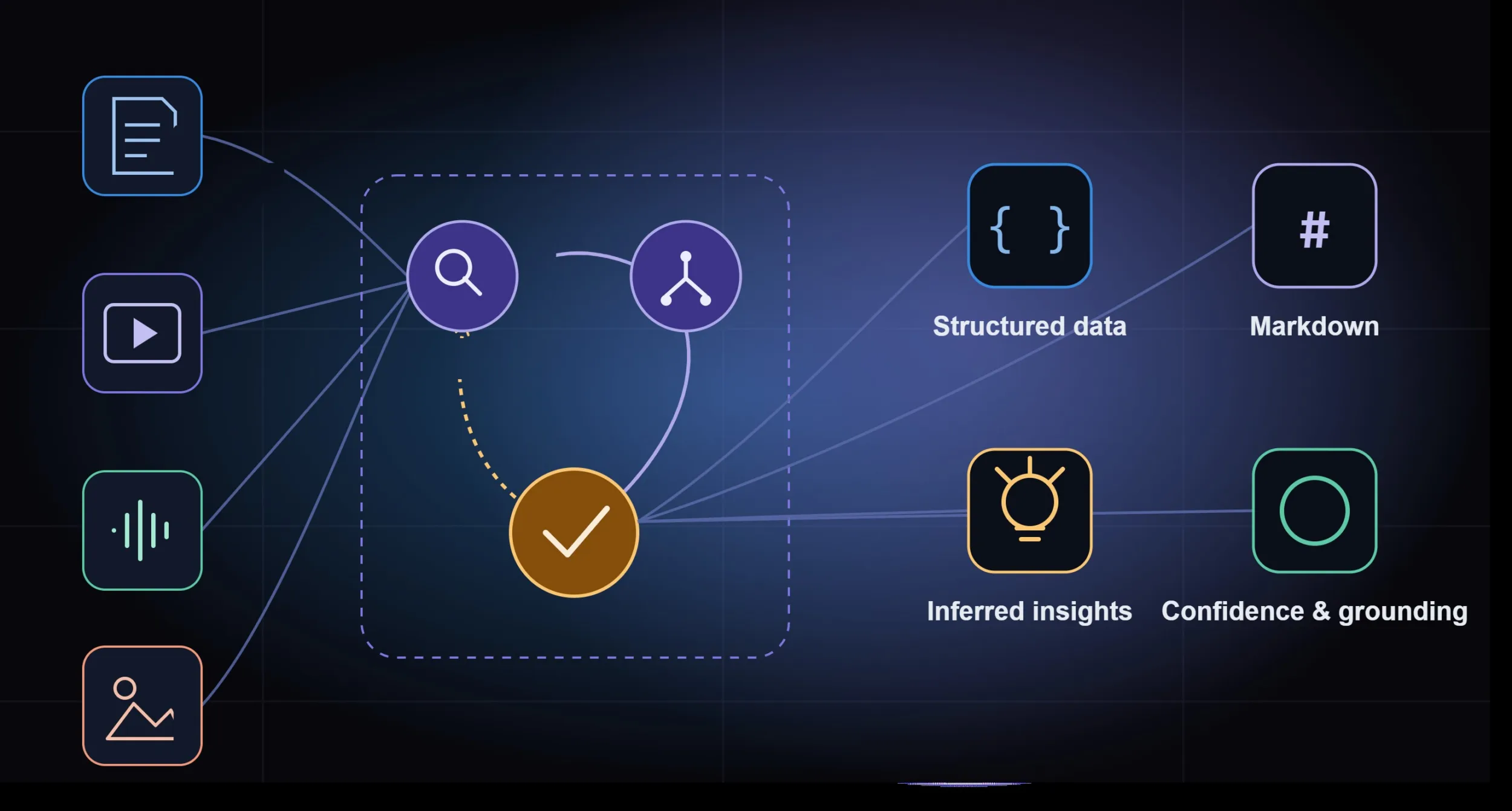
ARDの発想はシンプルで、すべてのツールを常時ロードするのではなく、タスクに応じて「今必要なツールを探しに行く」段階を挟む点にある。エージェントはまず要求内容を解釈し、レジストリやインデックスに対して関連するMCPサーバーやツールを検索し、絞り込んだうえで実際に呼び出す。検索そのものをエージェント的な判断で行うため、Agenticという語が冠されている。

実装面では、各ツールのメタデータ(説明文、入出力、用途など)を検索可能な形で登録しておき、意味的な近さで候補を返す仕組みが軸になる。記事ではこうしたディスカバリ層を設ける具体的な方法と、設定の手間を減らしつつツールの発見性を高められるといった導入メリットが示されている。

この方向性はMCP単体の話にとどまらない。ツールが増えすぎる問題は、関数呼び出しやプラグインを扱う多くのエージェント基盤に共通しており、ツールのルーティングや動的選択を担うライブラリ、レジストリ的なサービスの整備も各所で進みつつある。ARDはそうした流れの一つと位置づけられ、今後MCPエコシステムが拡大するほど有用性が増すと見られる。一方で、検索層の精度やレイテンシ、登録メタデータの品質管理といった新たな運用課題も生まれるため、規模や用途に応じた設計判断が求められる。

As AI agents increasingly rely on the Model Context Protocol (MCP) to reach external tools and data, the number of MCP servers a single agent can connect to is growing quickly. Agentic Resource Discovery (ARD) is a mechanism designed to address a problem that emerges from that growth: how an agent can find and use the right tools among a sprawling collection of servers without loading everything up front. The idea matters because unchecked server proliferation tends to increase configuration overhead, inflate token usage, and make agents less reliable at choosing the correct tool.

MCP, introduced by Anthropic and now supported across a range of clients including GitHub Copilot, standardizes how AI applications connect to tools, files, and services. Each MCP server exposes a set of capabilities, and a client typically registers those tools so the model can call them. This works well when an agent talks to a handful of servers. As teams add servers for code search, issue tracking, databases, documentation, cloud APIs, and more, the traditional approach of statically declaring every tool starts to break down.

The core issue is that most current setups preload all tool definitions into the model's context. When there are dozens or hundreds of tools, this consumes a large share of the context window before any real work begins, raises cost, and can degrade decision quality because the model must reason over many similar or overlapping options. In practice this often shows up as the agent selecting the wrong tool, or as maintainers manually curating which servers are enabled per project to keep the list manageable.

ARD reframes discovery as a dynamic step rather than a static registration. Instead of exposing every tool at all times, the agent queries a discovery layer at runtime to locate resources relevant to the current task. Conceptually, the agent describes what it needs, the discovery mechanism returns a shortlist of candidate servers or tools, and only those are brought into context for the immediate operation. This keeps the working set small and focused, and it allows new servers to be added to the pool without every agent having to be reconfigured.

On the implementation side, the article describes wiring an agent to a catalog or index of available MCP servers and their capabilities, then having the agent perform a lookup before acting. This lookup can be based on descriptions, metadata, or semantic matching between the task and each server's advertised functions. Because MCP already defines a way for servers to describe their tools, ARD can build on that metadata rather than requiring a new protocol. The pattern appears intended to sit alongside existing MCP infrastructure rather than replace it, acting as a routing or retrieval step in front of tool invocation.

The stated benefits are reduced configuration overhead and improved tool discoverability. By not hardcoding every server into each agent, teams can maintain a shared registry and let agents pull in what they need. Smaller active tool sets are likely to lower token consumption and may improve the accuracy of tool selection, since the model reasons over fewer, more relevant options at any moment. This also makes scaling more graceful: adding a new capability becomes a matter of registering another server rather than editing many client configurations.

It is worth placing ARD in a broader context. The pattern resembles retrieval-augmented generation applied to tools instead of documents, and it echoes techniques such as dynamic tool selection and tool retrieval that several agent frameworks have begun exploring. Related industry efforts include MCP server registries and marketplaces, gateway or proxy layers that aggregate multiple servers, and permissioning systems that gate which tools an agent may call. These adjacent moves suggest the ecosystem is converging on the view that static tool lists do not scale.

Readers should treat ARD as an emerging design pattern rather than a finalized standard. Details such as how discovery is indexed, how relevance is scored, and how security and access control are enforced will likely vary by implementation, and trade-offs around latency and reliability remain to be validated as adoption grows.

  • 出典SourceZenn GitHub CopilotコミュニティCommunity
  • 直近30件の平均重要度Avg importance, last 301=Info · 2=Medium · 3=High
  • 配信形式FormatブログBlog
  • 重要度Importance重要度 MediumMedium priority(GitHub Copilot 191件中、同等以上 154件)(154 of 191 GitHub Copilot entries are equal or higher)
  • 情報の寿命Half-life📘 中期 (チュートリアル)Medium-term (tutorial)
  • 原文言語Source languageJA
  • 収集日時Collected2026/07/27 01:43

本ページの本文と要約は AI による自動生成です。日本語版と英語版は言語ごとに独立して生成されるため、表現や詳しさが異なる場合があります。正確性は元記事 (zenn.dev) をご確認ください。The body and summaries are AI-generated independently for each language, so wording and detail may differ. Verify accuracy at the original source (zenn.dev).

🧠GitHub Copilot の他の記事More from GitHub Copilotもっと見る →View more →