ディスカバリーから実行まで:Microsoft FoundryのToolboxとRoutinesでエージェントをスケールDiscovery to Execution: Scaling Agents with Toolboxes and Routines in Microsoft Foundry
匿名の公開いいねです。記事の保存・お気に入りではなく、Featured、Top 3、重要度、掲載順位には影響しません。仕組みとプライバシーAnonymous public likes are reactions, not saved articles or bookmarks. They do not affect Featured, Top 3, importance, or listing order.How it works and privacy
- Microsoft FoundryがToolboxとRoutinesを導入し、本番環境へエージェントをスケールする際に課題となるツールの発見・管理・セキュリティ確保を効率化。
- 増え続けるツール群を統制し、プロトタイプから運用への移行を支援する。
Microsoft Foundry introduces Toolboxes and Routines to help teams discover, manage, and secure the growing number of tools when scaling AI agents from prototype to production, where tooling typically breaks down.
本ページの本文と要約は AI による自動生成です。日本語版と英語版は言語ごとに独立して生成されるため、表現や詳しさが異なる場合があります。正確性は元記事 (devblogs.microsoft.com) をご確認ください。The body and summaries are AI-generated independently for each language, so wording and detail may differ. Verify accuracy at the original source (devblogs.microsoft.com).
要約と収集メタデータに基づく AI 解説。元記事全文の転載・翻訳ではありません。AI explainer based on the summaries and collected metadata, not a copy or translation of the full source article.
AI エージェントの開発が本格化する中、Microsoft が開発者向けプラットフォーム「Microsoft Foundry」に追加した Toolbox と Routines が注目されている。これらは、エージェントが利用するツールの発見・管理・セキュリティ確保を効率化し、試作段階から本番運用への移行をスムーズにすることを狙った機能群だ。
Microsoft はブログで「ツール連携は小規模では問題にならないが、チームが本番環境へ移行する段階で破綻する」と指摘している。AI の導入が加速するにつれ、エージェントが呼び出せるツールの数も増大する。適切なツールを見つけ出し、権限を管理し、安全に運用するという作業は、規模が大きくなるほど複雑さを増し、開発・運用上のボトルネックになりやすい。Toolbox と Routines は、こうした課題に対処するための仕組みと位置づけられている。
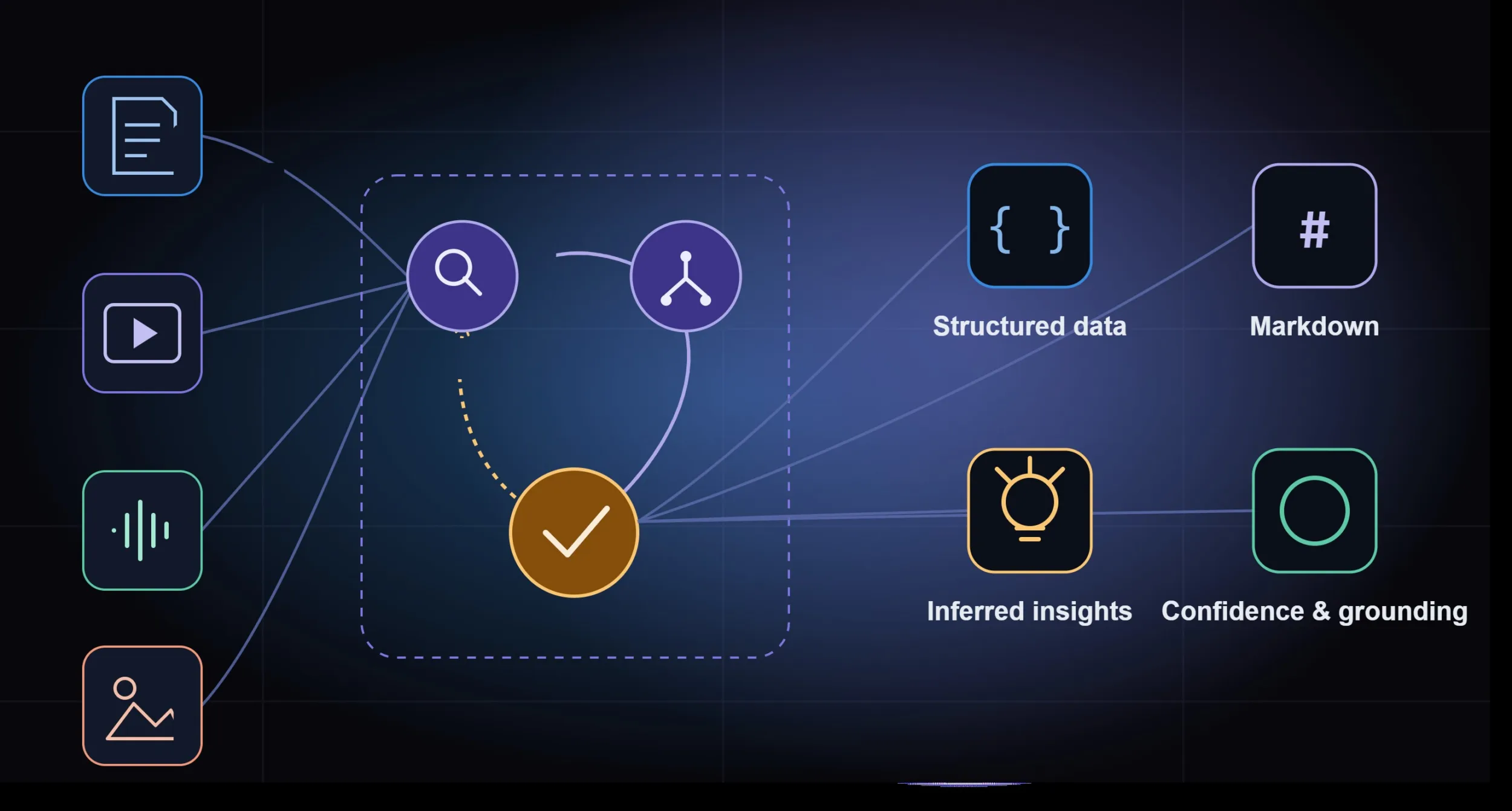
Toolbox は、組織内で利用可能なツールを一元的にカタログ化し、エージェントが必要なものを発見・選択できるようにする役割を担うと見られる。多数のツールが分散している状況では、どれが信頼でき、どの権限が必要かを把握すること自体が難しい。Toolbox はこうしたガバナンスとセキュリティの観点を統合し、ツールの登録から利用までを管理しやすくする狙いがある。一方の Routines は、複数のツールやステップを組み合わせた定型的な処理の流れを定義し、エージェントの実行を再現性のある形でスケールさせることを支援する機能とされる。
背景には、エージェントがツールを呼び出すための標準化の動きがある。近年は Anthropic が提唱した Model Context Protocol(MCP)が業界で広く採用されつつあり、エージェントと外部ツールの接続を共通化する流れが強まっている。Microsoft も Foundry や Copilot 関連の製品群でエージェント基盤の強化を進めており、Google や Amazon を含む各社も同様にエージェント開発環境やオーケストレーション機能の整備を競っている。
エージェント開発では、単体のモデル性能だけでなく、ツール連携をいかに安全かつ効率的に運用するかが実用化の鍵を握る。Toolbox と Routines のような管理基盤は、ディスカバリー(発見)から実行までを一貫して支えることで、エージェントを実験段階から実運用へと橋渡しする役割を果たす可能性がある。実際の導入効果や運用上の制約については、今後の利用事例の蓄積を通じて見極めていく必要があるだろう。
Microsoft has outlined two capabilities within Microsoft Foundry, Toolbox and Routines, that are designed to help development teams scale AI agents from early prototypes to production systems. The framing in the source is direct: tooling rarely breaks at a small scale, but it tends to break when teams move to production, where reliability, governance, and security become non-negotiable. As AI adoption accelerates, the volume of tools that agents can reach has grown in parallel, and discovering, managing, and securing the right ones is emerging as a central challenge for engineering teams.
The underlying problem is structural rather than cosmetic. An agent is only as useful as the actions it can take, and those actions are typically exposed as tools: a database query, a call to an external API, a document search, or a trigger into another business system. A handful of tools is easy to wire up by hand. A catalog spanning dozens or hundreds of tools across multiple teams is not. At that point, developers face questions about which tool is the correct one for a task, who is permitted to call it, how credentials are handled, and how usage is audited. The source suggests these issues appear most acute when teams cross from controlled demonstrations into live environments where access control and traceability carry real consequences.
Toolbox is presented as a way to address the discovery and management side of that equation. Conceptually it functions as a centralized place where tools can be registered, found, and governed, so that agents and the people building them are not left assembling integrations ad hoc. The emphasis on securing tools is notable, because exposing an agent to powerful actions without clear permission boundaries is a recognized risk in agentic systems. By centralizing tool definitions and the policies around them, the approach appears intended to reduce duplicated effort and give organizations a clearer view of what their agents can actually do.
Routines, by contrast, focus on execution. Where Toolbox concerns the inventory of available capabilities, Routines appear aimed at codifying how agents carry out multi-step work in a repeatable way. The pairing reflected in the title, from discovery to execution, captures the intended workflow: teams first locate and authorize the right tools, then compose reliable, reusable sequences that can run consistently in production. This separation of concerns is a common pattern in software platforms, and applying it to agents is a reasonable response to the unpredictability that can accompany large language model driven automation.
It helps to place these features in the broader context of Microsoft Foundry, the platform previously known as Azure AI Foundry, which Microsoft has positioned as its environment for building, evaluating, and deploying AI applications and agents. Foundry sits alongside related products such as Copilot Studio for lower-code agent creation and the various Azure model and orchestration services, so Toolbox and Routines are best understood as additions to an existing stack rather than standalone products. Their value is likely to depend on how tightly they integrate with the model catalog, evaluation tooling, and identity controls already present in that ecosystem.
The announcement also aligns with an industry-wide shift toward standardizing how agents connect to tools and data. The Model Context Protocol, an open standard for linking models to external systems, has gained traction across several vendors, and Microsoft has signaled support for interoperable tool connectivity. A centralized toolbox concept fits naturally with that direction, since a registry is more useful when the tools it catalogs speak a common interface. Competing platforms from other major cloud and AI providers have been pursuing comparable goals around tool management, agent orchestration, and governance, which suggests this is a converging area of investment rather than an isolated move.
For teams evaluating the offering, the practical takeaways center on operational maturity. The features are pitched at the moment when experimentation gives way to deployment, and their benefit will be measured by how much they reduce integration overhead, enforce security boundaries, and make agent behavior predictable. As with any newly described capability, the specifics of availability, pricing, and regional support warrant confirmation against Microsoft's official documentation, since blog descriptions tend to emphasize intent ahead of complete implementation detail.
ポコとTECHガイドPoko & TECH Guide
ポコと当サイトのTECHガイドが、記事の要約と収集した情報から読みどころを語るAI生成の対話です。Poko and TECH Dashboard's own TECH Guide discuss the article's highlights in an AI-generated conversation based on its summary and collected source details.
- ポコPokoToolboxとRoutinesって何? エージェントを本番で動かすときに必要なの?What are Toolboxes and Routines? Why do agents need them when moving into production?
- TECHガイドTECH Guide簡単に言うとじゃな、増え続けるツールを見つけ、管理し、安全に使うための仕組みじゃ。記事によれば、本番への移行を支えるものじゃよ。Put simply, they help teams find, manage, and secure a growing set of tools. According to the article, they support the move from prototypes to production.
- ポコPokoそれって何がうれしいの? 小さな試作のままなら困らないのかな。So what’s the benefit? Is this less of a problem while an agent is still just a small prototype?
- TECHガイドTECH Guide記事では、ツールの問題は小規模より本番移行時に表れやすいとしておる。数が増えても統制しやすくなれば、運用へ進めやすいわけじゃな。The article says tooling tends to break down when teams move to production, not at small scale. Better control over a growing toolset can make that transition easier.
- ポコPokoなるほど! エージェントを増やすだけじゃなく、使うツールを整理して安全に保つことが大事なんだね。Got it! Scaling agents isn’t just about adding more—it’s also about keeping their tools organized, controlled, and secure.
- TECHガイドTECH Guideその通りじゃ。ToolboxとRoutinesが試作から運用への移行をどう効率化するかが見どころじゃが、具体的な効果は記事情報だけではまだ分からんぞ。Exactly. The key question is how Toolboxes and Routines streamline the move into production, though the information here doesn’t yet show their concrete results.