VW、初の電動GTI「Polo GTI」を欧州で発表、米国販売は無し Volkswagen shows its first electric GTI; there's no chance of US sales
- フォルクスワーゲンが初の電動GTI、ID. Polo GTIのコンセプトを公開した。
- 223馬力のホットハッチで、2026年に量産モデルとして欧州で発売予定。
- 米国市場には投入されない見通しで、北米のVWファンには手の届かない一台となる。
English summary
- Volkswagen has revealed its first electric GTI, the ID.
- Polo GTI concept, a 223 hp hot hatch heading to European showrooms in 2026.
- The model won't be sold in the US, leaving North American enthusiasts without access to VW's electrified take on its iconic performance badge.
フォルクスワーゲンが、伝統的なホットハッチブランドGTIを電動化した初のモデル、ID. Polo GTIのコンセプトを公開した。1976年のGolf GTI以来、約半世紀にわたり手頃な性能車の代名詞となってきたGTIブランドにとって、内燃機関からの転換点を示す重要な一歩となる。
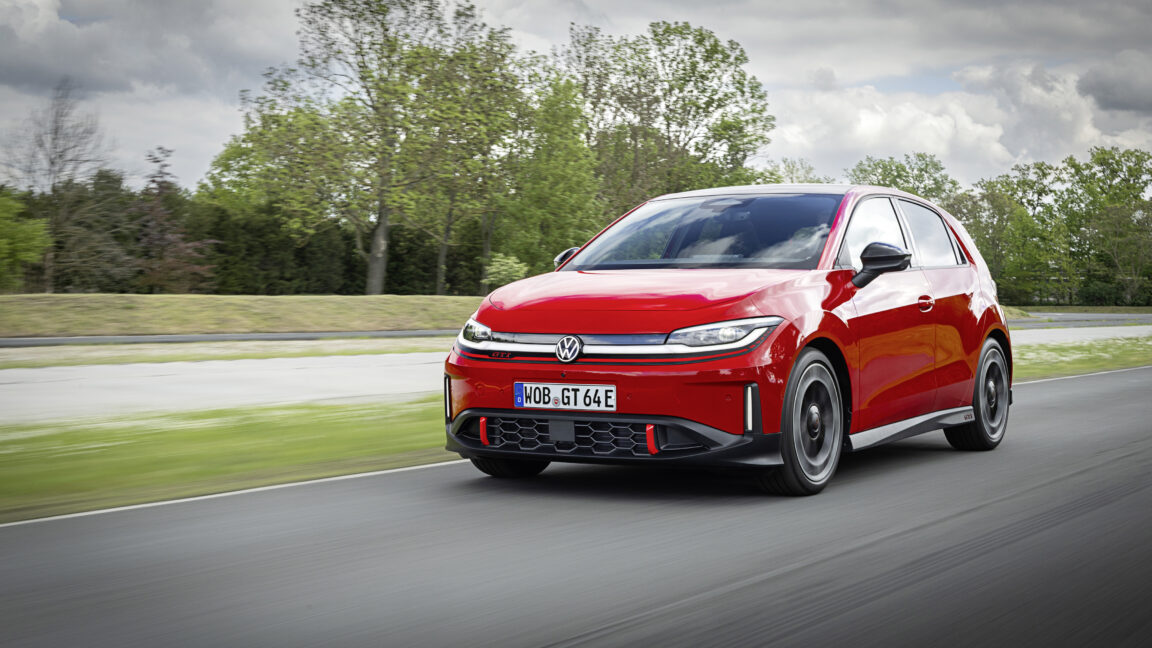
ID. Polo GTIは、VWのMEB+プラットフォームをベースとし、最高出力223馬力(166kW)を発揮するとされる。サイズ的には現行のガソリン版Polo GTIに近いコンパクトハッチで、フロントには赤いアクセントライン、専用のホイールデザイン、内装にはお馴染みのチェック柄シートなど、歴代GTIを想起させるディテールを盛り込んでいる。市販モデルは2026年に欧州で発売予定とされる。
一方で、Ars Technicaの報道によれば、このモデルが米国市場に投入される可能性はほぼないという。VWは長らく米国でPoloを販売しておらず、コンパクトEVは利益率の確保が難しいうえ、関税や規制環境も逆風となっている。米国向けにはID.4やID.BuzzといったSUV系EVが中心で、より大型のID. Golfが将来的に投入される可能性はあるとみられる。
フォルクスワーゲンが初の電動GTI、ID. Polo GTIのコンセプトを公開した。
背景として、欧州ではStellantisのAbarth 600eやアルピーヌA290、MINI Cooper SEなど、コンパクトな電動ホットハッチの競争が活発化している。EUの2035年内燃機関新車販売禁止方針もあり、各メーカーは性能ブランドの電動化を急いでいる。GTIのようなヘリテージブランドをいかにEV時代に継承するかは、VWだけでなく業界全体の課題でもある。エンジン音や軽量性といったホットハッチ本来の魅力を、バッテリーEVでどう表現するかが今後の鍵となりそうだ。
Volkswagen has pulled the wrap off the ID. Polo GTI, a concept that previews the company's first fully electric take on its storied GTI performance badge. Since the original Golf GTI debuted in 1976, the three letters have stood for accessible, everyday-driveable performance, making this electrified reinterpretation a notable milestone for the brand.
Built on VW's updated MEB+ platform, the ID. Polo GTI is said to produce 223 hp (166 kW) and roughly matches the footprint of the current combustion-powered Polo GTI. The concept carries familiar GTI cues: a red accent strip across the nose, bespoke wheels, and tartan-pattern seats inside that nod to nearly five decades of hot-hatch heritage. A production version is slated to reach European dealers in 2026.
As Ars Technica notes, however, the car has essentially no chance of being sold in the United States. Volkswagen has not offered the Polo nameplate in North America for many years, and the economics of small EVs there are challenging, especially given current tariff regimes and shifting regulatory incentives. VW's US EV lineup is built around larger models like the ID.4 and the ID. Buzz, with a possible ID. Golf rumored for the future, though nothing has been confirmed.
The European context helps explain VW's priorities. The bloc's planned 2035 ban on new combustion-engine cars is pushing every major manufacturer to electrify performance sub-brands quickly. Stellantis already sells the Abarth 600e, Alpine has launched the A290, and MINI offers an electric Cooper. A compact, badge-rich electric hatch from VW slots neatly into that competitive set, and arguably represents a more defensible niche than yet another midsize crossover.
The model won't be sold in the US, leaving North American enthusiasts without access to VW's electrified take on its iconic performance badge.
The deeper question, one the industry as a whole is still grappling with, is how heritage performance brands translate into the EV era. Hot hatches historically traded on a blend of light weight, mechanical feel, characterful engines, and affordability. Battery packs add mass and cost, while electric drivetrains erase the soundtrack that helped define cars like the Mk1 GTI or the Renault 5 Turbo. Manufacturers have responded with synthetic engine sounds, simulated gear shifts (as Hyundai has done with the Ioniq 5 N), and aggressive chassis tuning, but the formula is still being worked out.
For VW, the ID. Polo GTI is therefore both a product and a statement: an attempt to show that the GTI ethos can survive without a turbocharged four-cylinder under the hood. Whether buyers in Europe accept that premise, and whether VW can price the car competitively against a growing field of Chinese and European rivals, will likely shape how aggressively the company electrifies the rest of its performance portfolio. North American enthusiasts, meanwhile, will largely be left watching from the sidelines.
本ページの本文・要約は AI による自動生成です。正確性は元記事 (arstechnica.com) をご確認ください。