成果駆動型学習システム:OpenEnvとFoundryによるエンタープライズRLOutcome-driven learning systems: Enterprise RL with OpenEnv and Foundry
匿名の公開いいねです。記事の保存・お気に入りではなく、Featured、Top 3、重要度、掲載順位には影響しません。仕組みとプライバシーAnonymous public likes are reactions, not saved articles or bookmarks. They do not affect Featured, Top 3, importance, or listing order.How it works and privacy
- Microsoft FoundryがBuild 2026で企業向け強化学習基盤OpenEnvを発表。
- ホスト型エージェントやFrontier Tuningと統合し、評価から最適化までを一貫して扱う成果駆動型の学習スタックを構築できる。
Microsoft Foundry unveiled OpenEnv at Build 2026, an enterprise reinforcement learning framework that integrates with hosted agents and Frontier Tuning to build outcome-driven optimization and learning stacks.
本ページの本文と要約は AI による自動生成です。日本語版と英語版は言語ごとに独立して生成されるため、表現や詳しさが異なる場合があります。正確性は元記事 (devblogs.microsoft.com) をご確認ください。The body and summaries are AI-generated independently for each language, so wording and detail may differ. Verify accuracy at the original source (devblogs.microsoft.com).
要約と収集メタデータに基づく AI 解説。元記事全文の転載・翻訳ではありません。AI explainer based on the summaries and collected metadata, not a copy or translation of the full source article.
Microsoftは開発者向けイベント「Build 2026」で、企業向けの強化学習(RL)基盤「OpenEnv」を発表した。エージェントを実際のタスク成果に基づいて最適化する「成果駆動型学習」を、クラウド型開発基盤Foundryから利用できるようにする取り組みで、生成AIの実運用を一段深める動きとして注目される。
従来の大規模言語モデルのチューニングは、正解例を模倣させる教師ありファインチューニングが主流だった。これに対し強化学習は、モデルやエージェントの出力を「報酬」で評価し、望ましい結果につながる振る舞いを繰り返し強化していく手法だ。OpenEnvは、この報酬設計や試行環境(エンバイロンメント)を標準化し、企業が自社の業務指標に沿ってエージェントを訓練できる土台を提供するものと見られる。
今回の発表は単独の機能ではなく、Build 2026で公開された一連のスタックの一部として位置づけられている。Microsoftはホスト型エージェントやツール群「Toolboxes」、検索基盤「Foundry IQ」、長期記憶を扱う「Memory」、専用計算資源「Managed Compute」、さらに高度なチューニング手法「Frontier Tuning」などを同時に投入した。OpenEnvはこれらと組み合わせることで、評価から最適化までを一貫して回す仕組みを狙っているとされる。
背景には、エージェント型AIの実用段階への移行がある。単発の応答精度だけでなく、複数ステップにわたる業務を最後までやり遂げる能力が問われるようになり、ベンチマークや評価(Eval)の重要性が増している。報酬関数や評価指標を企業ごとに定義できれば、汎用モデルを自社固有の成果に近づけやすくなる可能性がある。
同様の方向性は業界全体で広がりつつある。OpenAIは強化学習を用いたファインチューニングを提供し、研究コミュニティでも環境を共有する取り組みが進む。「OpenEnv」という名称も、こうしたオープンな環境標準化の流れを意識したものと推測される。
ただし強化学習は、報酬設計の難しさや計算コスト、再現性の課題を伴う。企業が成果駆動型の最適化を実務に組み込むには、評価データの整備やガバナンスの設計が前提になるだろう。Microsoftが運用上の障壁をどこまで下げられるかが、普及の鍵を握ると見られる。
Microsoft used its Build 2026 conference to position Foundry as a platform for what it calls outcome-driven learning, anchored by a new enterprise reinforcement learning capability built around OpenEnv. The announcement matters because it reframes model customization away from static fine-tuning on fixed datasets and toward systems that improve by acting in defined environments and being rewarded for measurable results, a shift that could change how organizations build and maintain production AI agents.
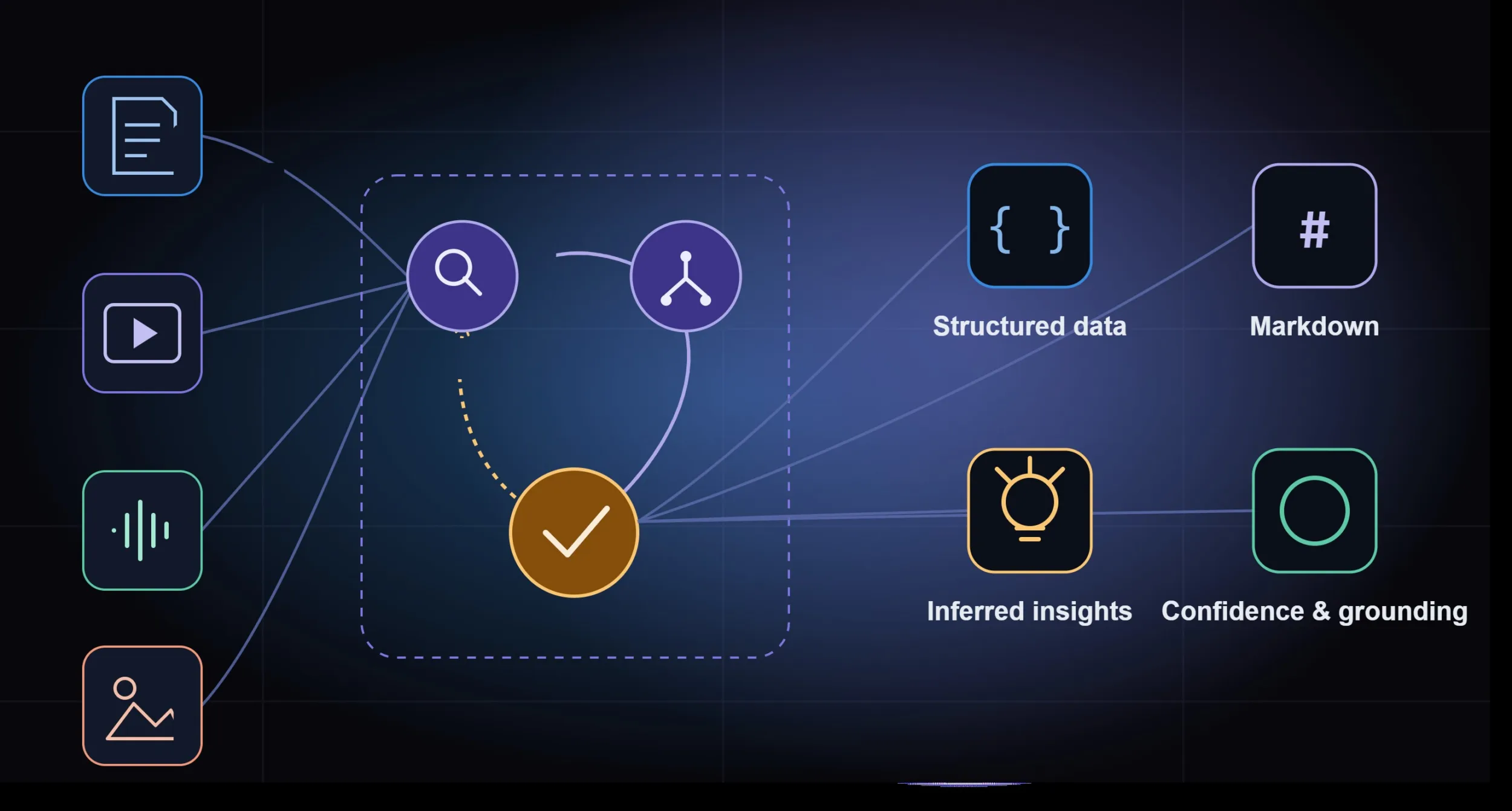
At the center of the release is OpenEnv, presented as an environment layer for reinforcement learning in enterprise settings. In reinforcement learning, a model or agent takes actions, observes the consequences, and receives a reward signal that indicates how good those actions were. Over many iterations, the agent learns a policy that maximizes the reward. The hard part in practice is constructing reliable environments and reward functions, especially for business tasks where success is defined by things like completing a workflow correctly, calling the right tools, or producing an answer that passes a verification step. OpenEnv appears to be aimed at standardizing how these environments, tools, and reward definitions are expressed so that teams can train agents against realistic tasks rather than abstract benchmarks alone.
Microsoft framed OpenEnv as one component in a larger stack rather than a standalone feature. The company said it shipped a broad set of capabilities at Build 2026, including hosted agents, Toolboxes, Foundry IQ, Memory, Managed Compute, fine-tuning, and Frontier Tuning, alongside a new evaluation and optimization layer. The intended narrative is that these pieces connect: hosted agents provide the runtime, Toolboxes and Foundry IQ supply tools and knowledge, Memory adds persistence across interactions, and Managed Compute handles the infrastructure needed for training and serving. OpenEnv and the evaluation stack are positioned as the part that closes the loop, letting an agent be measured against outcomes and then optimized based on those measurements.
Frontier Tuning is described as the higher end of this optimization spectrum. Where conventional supervised fine-tuning adjusts a model using labeled input-output pairs, reinforcement-based approaches let a model explore and learn from reward signals tied to task completion. This aligns with a broader industry direction often labeled reinforcement fine-tuning, which several providers have explored as a way to improve reasoning and tool use on narrow, high-value tasks using comparatively small numbers of examples plus a grader. The key prerequisite for any of these methods is a trustworthy way to score outcomes, which is why the evaluation and optimization stack is presented as inseparable from the training capabilities.
The enterprise framing is significant because it places emphasis on governance, repeatability, and measurable return rather than raw model capability. Reinforcement learning systems are sensitive to how rewards are specified, and poorly designed reward functions can lead to reward hacking, where an agent optimizes the metric without achieving the underlying goal. By coupling environments with evaluation tooling, Microsoft appears to be acknowledging that the reward and benchmark design is as important as the learning algorithm itself. The inclusion of benchmarks among the announced tags suggests the company intends to give teams standardized ways to assess agents before and after optimization.
It is worth noting the wider context. The use of open environment specifications echoes long-standing reinforcement learning tooling traditions, where standardized environment interfaces made it easier to compare methods and reuse work. Applying that idea to enterprise agents, which interact with tools, APIs, and proprietary data, is a more recent and still maturing effort across the industry. Competing platforms have introduced their own agent frameworks, fine-tuning services, and evaluation products, so Foundry's offering is best read as part of a competitive push to own the full lifecycle from model selection through deployment and continuous improvement.
For organizations evaluating these capabilities, the practical questions are likely to revolve around how much engineering effort is required to define environments and rewards, how training costs scale on Managed Compute, and how well the evaluation tooling captures real business outcomes. As with any newly announced platform, the stated capabilities will need validation in production before their effectiveness is clear. What is evident is that Microsoft is betting that the next phase of enterprise AI will be defined less by choosing a model and more by systematically optimizing agents against the outcomes that matter.
ポコとTECHガイドPoko & TECH Guide
ポコと当サイトのTECHガイドが、記事の要約と収集した情報から読みどころを語るAI生成の対話です。Poko and TECH Dashboard's own TECH Guide discuss the article's highlights in an AI-generated conversation based on its summary and collected source details.
- ポコPoko「成果駆動型」と「強化学習」って何?OpenEnvは何をするものなの?What do “outcome-driven” and “reinforcement learning” mean? What exactly does OpenEnv do?
- TECHガイドTECH Guide簡単に言うと、強化学習は結果の評価をもとに動きを改善する仕組みじゃ。記事によれば、OpenEnvは企業向けにそれを扱う基盤じゃよ。Simply put, reinforcement learning improves behavior based on evaluated results. According to the article, OpenEnv is a framework for bringing that approach into enterprise systems.
- ポコPokoそれって企業には何がうれしいの?評価した後の改善までつながるってこと?What’s the benefit for companies? Does it connect evaluation directly to improvement?
- TECHガイドTECH Guideその理解でよいぞ。記事では、ホスト型エージェントやFrontier Tuningと統合し、評価から最適化まで一貫した学習スタックを作れるとしておる。That’s the idea. The article says it integrates with hosted agents and Frontier Tuning, enabling a unified learning stack from evaluation through optimization.
- ポコPokoへえ、AIを評価して終わりじゃなく、その結果を次の改善につなげるための仕組みなんだね!Oh, I see! It’s not just about evaluating AI—it’s a system for turning those results into the next round of improvements.
- TECHガイドTECH Guideそうじゃな。Build 2026で示されたこの基盤を、企業が実際の成果につながる学習システムにどう生かすかが見どころじゃよ。Exactly. OpenEnv was unveiled at Build 2026, and the key thing to watch is how enterprises use it to build learning systems tied to real outcomes.