NVIDIAのAIファクトリーコンピュートが投資可能な資産クラスになりつつあるNVIDIA AI Factory Compute Is Becoming an Investable Asset Class
匿名の公開いいねです。記事の保存・お気に入りではなく、Featured、Top 3、重要度、掲載順位には影響しません。仕組みとプライバシーAnonymous public likes are reactions, not saved articles or bookmarks. They do not affect Featured, Top 3, importance, or listing order.How it works and privacy
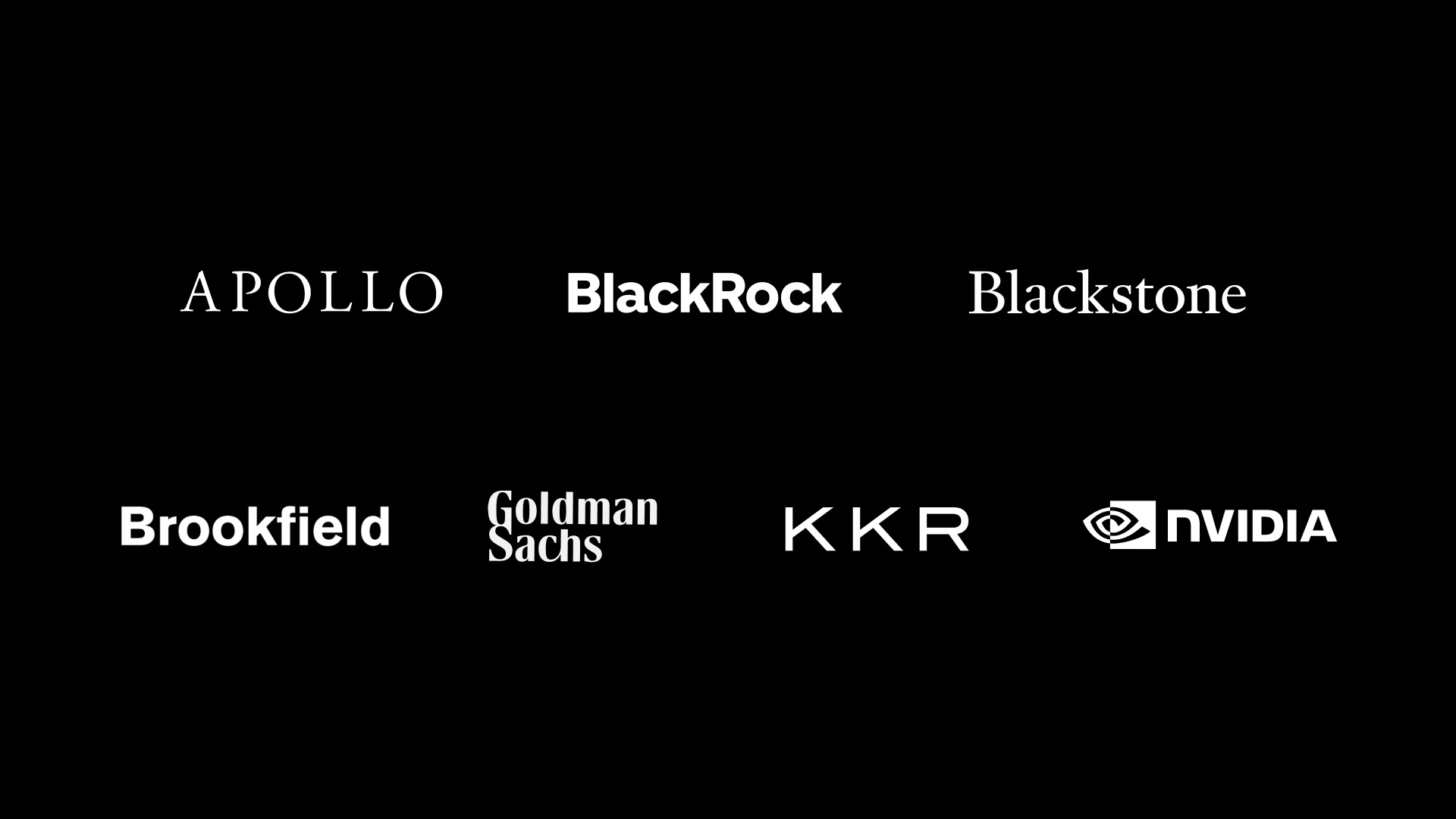
NVIDIAはApollo、BlackRock、Blackstone等6社の大手金融機関と提携し、AIインフラ整備に向けて5000億ドル超の第三者資本を動員する独立ファイナンシングプラットフォームを設立すると発表した。
NVIDIA announced partnerships with Apollo, BlackRock, Blackstone, Brookfield, Goldman Sachs, and KKR to create financing platforms mobilizing over $500 billion in third-party capital for AI infrastructure buildout, marking AI compute as a formal investable asset class.
本ページの本文と要約は AI による自動生成です。日本語版と英語版は言語ごとに独立して生成されるため、表現や詳しさが異なる場合があります。正確性は元記事 (blogs.nvidia.com) をご確認ください。The body and summaries are AI-generated independently for each language, so wording and detail may differ. Verify accuracy at the original source (blogs.nvidia.com).
要約と収集メタデータに基づく AI 解説。元記事全文の転載・翻訳ではありません。AI explainer based on the summaries and collected metadata, not a copy or translation of the full source article.
AIファクトリー
NVIDIAは、AIファクトリーのコンピュートが投資可能な資産クラスになりつつあると説明した。AIインフラ整備を、第三者資本を受け入れる独立したファイナンシングの仕組みと結び付ける発表である。
6社との提携
提携先はApollo、BlackRock、Blackstone、Brookfield、Goldman Sachs、KKRの6社。NVIDIAはこれらの大手金融機関との協力により、独立したファイナンシングプラットフォームを設立すると発表した。
5000億ドル超
このプラットフォームは、時間をかけたAIインフラの構築を支えるため、5000億ドル超の第三者資本を動員するよう設計されている。資金規模に加え、AIコンピュートを正式な投資対象として扱う枠組みを示した点が発表の要点となる。
AI factory compute
NVIDIA says AI factory compute is becoming an investable asset class. The development matters because the announced financing structure is intended to direct more than $500 billion in third-party capital toward the buildout of AI infrastructure over time.
The announcement connects AI infrastructure development with independent financing platforms rather than describing only a new technology or product. According to NVIDIA, those platforms are designed to mobilize outside capital in support of infrastructure expansion.
Independent financing platforms
NVIDIA announced partnerships with Apollo, BlackRock, Blackstone, Brookfield, Goldman Sachs and KKR to establish the financing platforms. The six partnerships bring major financial institutions into the planned funding structure for AI infrastructure.
The announcement specifies a target of over $500 billion in third-party capital. It describes that capital as supporting AI infrastructure buildout over time, positioning AI compute as a formal asset class that can receive investment through independently established financing platforms.
ポコとTECHガイドPoko & TECH Guide
ポコと当サイトのTECHガイドが、記事の要約と収集した情報から読みどころを語るAI生成の対話です。Poko and TECH Dashboard's own TECH Guide discuss the article's highlights in an AI-generated conversation based on its summary and collected source details.
- ポコPokoこれは普段の仕事や生活の何が変わるの? AIのための設備にお金が集まるってこと?What could this change in everyday work or life? Does it mean more money will go into AI equipment?
- TECHガイドTECH Guideそうじゃ。この記事では、AIインフラ整備へ第三者資本を5,000億ドル超動員する仕組みを作るとしておる。That’s the idea. The article says new financing platforms aim to mobilize over $500 billion in outside capital for AI infrastructure.
- ポコPoko前はできなかったの? AIの計算する力を、投資できる資産として見るのが新しいのかな。Couldn’t this be done before? Is the new part treating AI computing power as something investors can invest in?
- TECHガイドTECH Guide記事では、AIコンピュートが正式に投資可能な資産クラスになりつつある点を大きな節目としておる。以前との細かな違いまでは示されておらんのう。The article calls AI compute becoming a formal investable asset class a major milestone. It does not spell out the finer differences from before, though.
- ポコPokoなるほど、一番の収穫は、AIの計算設備そのものに大きなお金を集める道ができそうなことだね。Got it. The biggest takeaway is that AI computing infrastructure may get a new path for attracting huge investment.
- TECHガイドTECH Guideその捉え方でよいじゃ。次は、この資金が時間をかけてAIインフラ整備をどう支えるかに注目じゃな。That’s a good way to put it. Next, it will be worth watching how that funding supports AI infrastructure buildout over time.