ドキュメント翻訳の拡張 – Microsoft Buildで発表された新機能Expanding the Reach of Document Translation – New Capabilities Announced at Microsoft Build
匿名の公開いいねです。記事の保存・お気に入りではなく、Featured、Top 3、重要度、掲載順位には影響しません。仕組みとプライバシーAnonymous public likes are reactions, not saved articles or bookmarks. They do not affect Featured, Top 3, importance, or listing order.How it works and privacy
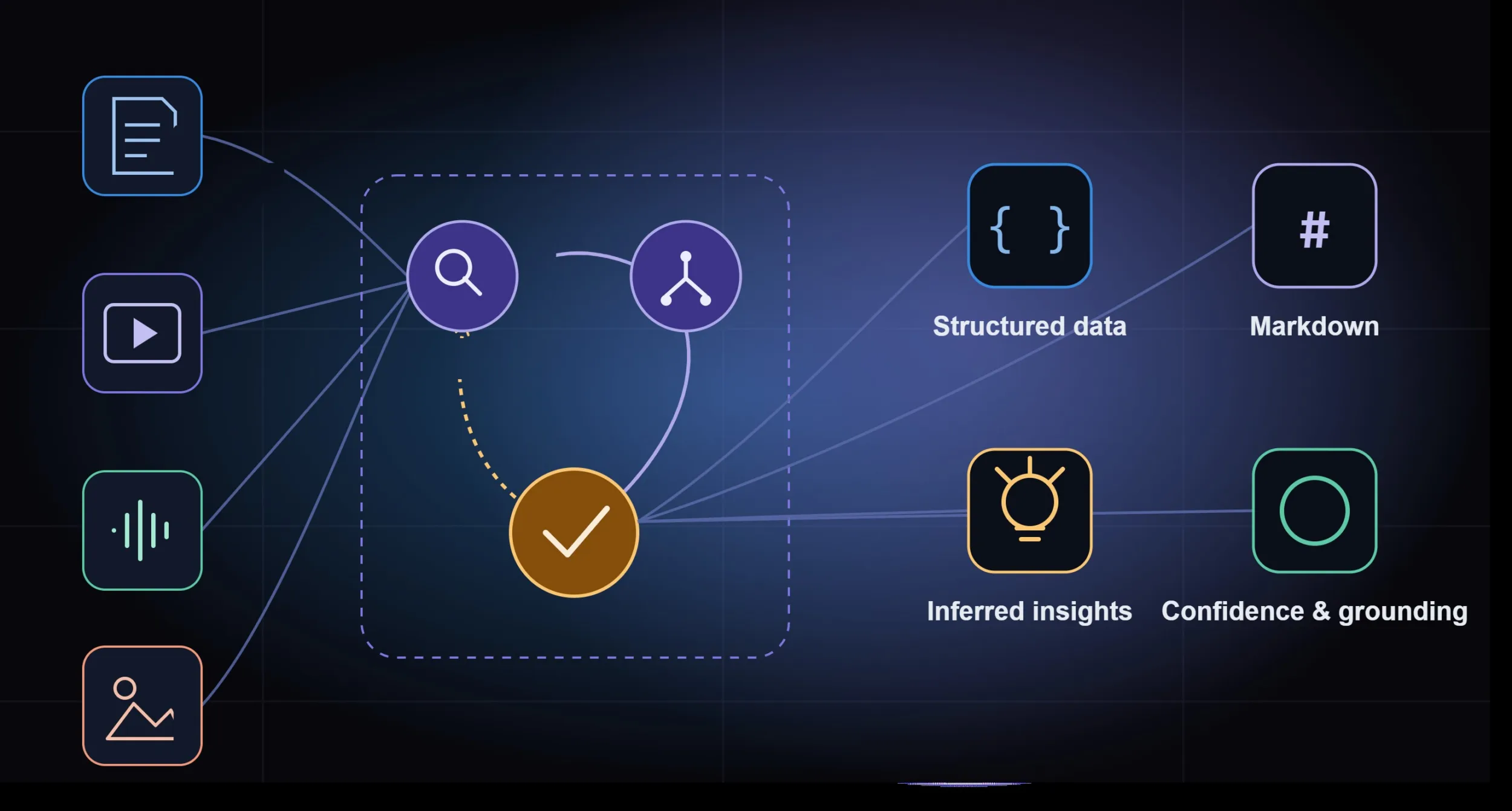
- Microsoft BuildでAzure TranslatorのDocument Translation新機能が発表され、画像・PDF・Officeファイルに加えDITAやXLIFFにも対応した。
- Foundry Tools経由で開発者が利用でき、将来はLLMベースの翻訳も予定されている。
Azure Translator's Document Translation in Foundry Tools now supports images, PDFs, Office files, DITA, and XLIFF, with LLM-powered translation coming soon, helping developers localize content at scale.
本ページの本文と要約は AI による自動生成です。日本語版と英語版は言語ごとに独立して生成されるため、表現や詳しさが異なる場合があります。正確性は元記事 (devblogs.microsoft.com) をご確認ください。The body and summaries are AI-generated independently for each language, so wording and detail may differ. Verify accuracy at the original source (devblogs.microsoft.com).
要約と収集メタデータに基づく AI 解説。元記事全文の転載・翻訳ではありません。AI explainer based on the summaries and collected metadata, not a copy or translation of the full source article.
マイクロソフトは開発者向けイベント「Microsoft Build 2026」で、Azure TranslatorのDocument Translation機能を拡張すると発表した。画像やPDF、Word・Excel・PowerPointといったOfficeファイルに加え、技術文書の制作で広く使われるDITAやXLIFFといった構造化フォーマットの翻訳にも対応する点が特徴で、これらをAzure AI Foundryのツール群「Foundry Tools」経由で開発者がアプリケーションに組み込めるようになる。
Document Translationは、文書のレイアウトや書式を保ったまま全体を一括翻訳するための仕組みで、文単位のテキスト翻訳とは用途が異なる。今回の拡張で注目されるのは、画像内に含まれる文字をOCRのように認識して翻訳する処理や、スキャンされたPDFへの対応が挙げられている点だ。これにより、従来は前処理が必要だった非テキスト主体のドキュメントも扱いやすくなると見られる。
DITAやXLIFFへの対応は、技術文書やローカライゼーションの現場を強く意識したものといえる。DITAはマニュアルなどを部品単位で再利用するためのXMLベースの規格で、XLIFFは翻訳対象データを受け渡しする業界標準フォーマットである。これらをネイティブに処理できれば、タグ構造を壊さずに翻訳を進められ、既存の翻訳支援ツール(CATツール)や翻訳メモリを使うワークフローとも接続しやすくなる可能性がある。
提供形態として、Foundry Toolsという開発者向けの基盤に組み込まれる点も今回の発表の軸となっている。Foundryはマイクロソフトが進めるAIアプリ開発プラットフォームで、各種モデルやツールを統一的なインターフェースから呼び出せるようにする狙いがある。翻訳機能を独立したサービスとしてではなく、エージェントやCopilot的なアプリの一部品として扱える点は、開発体験の面で利点になりそうだ。
将来的には、LLMを活用した文書翻訳の提供も予定されているという。従来の機械翻訳が文単位の精度を重視してきたのに対し、大規模言語モデルは文脈や文書全体のトーン、専門用語の一貫性を踏まえた翻訳を行える可能性があるとされる。この分野ではGoogleやAWS、DeepLなどもLLMや独自エンジンを用いた翻訳の高度化を進めており、競争は続くと見られる。今回の機能がどの程度実務で精度を発揮するかは、今後の一般提供や利用者の検証を待つ必要がある。
Microsoft used its Build 2026 conference to detail an expanded set of Document Translation capabilities in Azure Translator, now surfaced to developers through Foundry Tools. The update matters because document-level translation has long been more difficult than translating loose strings of text: real-world files carry layout, formatting, embedded images, and structured markup that a translation engine must preserve while it swaps one language for another. By widening the range of supported formats and routing access through Foundry, Microsoft appears to be positioning translation as a standard building block within its broader AI development stack rather than a standalone service.
At the center of the announcement is broader file-type coverage. The enhanced Document Translation service can now handle images, PDFs, and Office files such as Word, PowerPoint, and Excel, alongside two formats that matter specifically to technical writing and localization workflows: DITA and XLIFF. Support for scanned or image-based content typically relies on optical character recognition to extract text before translation, after which the service attempts to reconstruct the original document with the translated content in place. For PDFs and Office documents, the goal is to return a file that looks like the source but reads in the target language, sparing developers the work of parsing and reassembling complex documents themselves.
The inclusion of DITA and XLIFF is notable for organizations that produce documentation at scale. DITA, the Darwin Information Typing Architecture, is an XML-based standard widely used for modular technical documentation, where content is broken into reusable topics. XLIFF, the XML Localization Interchange File Format, is a standard designed specifically to move translatable content between authoring tools and translation systems while keeping track of what still needs work. Supporting these formats directly means the service can fit into established localization pipelines and translation management systems instead of forcing teams to convert files into a simpler format and lose structural metadata in the process.
Delivering these features through Foundry Tools reflects how Microsoft has been consolidating its AI offerings. Azure AI Foundry is the company's platform for building, evaluating, and deploying AI applications, and Foundry Tools represents a collection of capabilities that developers and agents can call as reusable components. Exposing Document Translation here means that translation can be composed alongside other Foundry functions, potentially as a tool an AI agent invokes when a workflow requires moving content across languages. This aligns with a wider industry pattern in which discrete AI capabilities are packaged as callable tools that larger systems orchestrate, rather than features accessed only through separate portals or one-off APIs.
Microsoft also signaled that large language model-based translation is on its roadmap. The existing Document Translation service has historically been built on neural machine translation, the approach that has powered Azure Translator for years and that remains strong for high-volume, predictable translation tasks. LLM-based translation is likely intended to complement this by offering more context-aware output, better handling of tone and terminology, and the ability to follow instructions about style or domain. Because the company has framed this as a future capability, the specifics, including availability, supported languages, and pricing, were not fully detailed, so the practical impact will become clearer as it ships.
For context, document translation sits within a competitive field. Google Cloud, Amazon Web Services, and specialized providers such as DeepL all offer document or API-based translation, and many enterprises pair these engines with translation management platforms and human review steps for quality assurance. The growing interest in LLM-driven translation across the industry suggests that vendors increasingly see general-purpose models as a path to higher-quality, more adaptable localization, though neural machine translation remains cost-effective and fast for many scenarios.
Developers evaluating these capabilities will want to weigh format fidelity, latency, and cost against their existing tooling, and to test how well structured formats like DITA round-trip through the service without losing markup. As with any machine translation, human review is still advisable for high-stakes or published content. Overall, the Build announcement points to a steady expansion of translation as an integrated, developer-facing service within Azure AI Foundry, with the LLM-based work representing the next phase to watch.
ポコとTECHガイドPoko & TECH Guide
ポコと当サイトのTECHガイドが、記事の要約と収集した情報から読みどころを語るAI生成の対話です。Poko and TECH Dashboard's own TECH Guide discuss the article's highlights in an AI-generated conversation based on its summary and collected source details.
- ポコPoko画像やPDFまで翻訳できる「Document Translation」って、つまり何をする機能なの?Document Translation can even handle images and PDFs? What does the feature actually do?
- TECHガイドTECH Guide簡単に言うと、文書を別の言語へ翻訳する機能じゃな。記事によれば画像、PDF、Officeファイル、DITA、XLIFFに対応したそうじゃよ。Simply put, it translates documents into another language. According to the article, it now supports images, PDFs, Office files, DITA, and XLIFF.
- ポコPokoへえ、いろんな形式をまとめて扱えると、開発者には何がうれしいの?Wow, that covers a lot of formats. What makes that useful for developers?
- TECHガイドTECH Guide記事では、Foundry Tools経由で使え、大規模なコンテンツのローカライズに役立つとしておる。ローカライズとは、内容を各言語向けに整えることじゃな。The article says developers can use it through Foundry Tools to localize content at scale. Localization simply means adapting content for different languages.
- ポコPokoつまり、いろんな文書を幅広く翻訳できて、今後はLLMを使った翻訳も加わる予定なんだね!So it can translate many kinds of documents, and LLM-powered translation is planned for the future too!
- TECHガイドTECH Guideその理解でよいぞ。記事ではLLMベースの翻訳は今後の予定なので、現在の対応機能とは分けて見るのがポイントじゃな。Exactly. The article presents LLM-powered translation as a future capability, so the key is to distinguish it from what is supported now.