産業ソフトウェア大手が NVIDIA NemoClaw でセキュアな自律型 AI エンジニアを構築 Industrial Software Leaders Build Secure, Autonomous AI Engineers With NVIDIA NemoClaw
- NVIDIA の NemoClaw を活用し、産業ソフトウェア企業がシミュレーション周辺のエンドツーエンドワークフローを自動化する自律型 AI エンジニアの開発を進めている。
- 加速コンピューティングによりシミュレーション時間は週単位から時間単位へと短縮されており、次の課題はワークフロー全体の知的自動化にある。
English summary
- Accelerated computing has revolutionized industrial engineering, compressing simulation times from weeks to hours.
- Today’s remaining challenges sit in the end-to-end workflow surrounding the simulatio
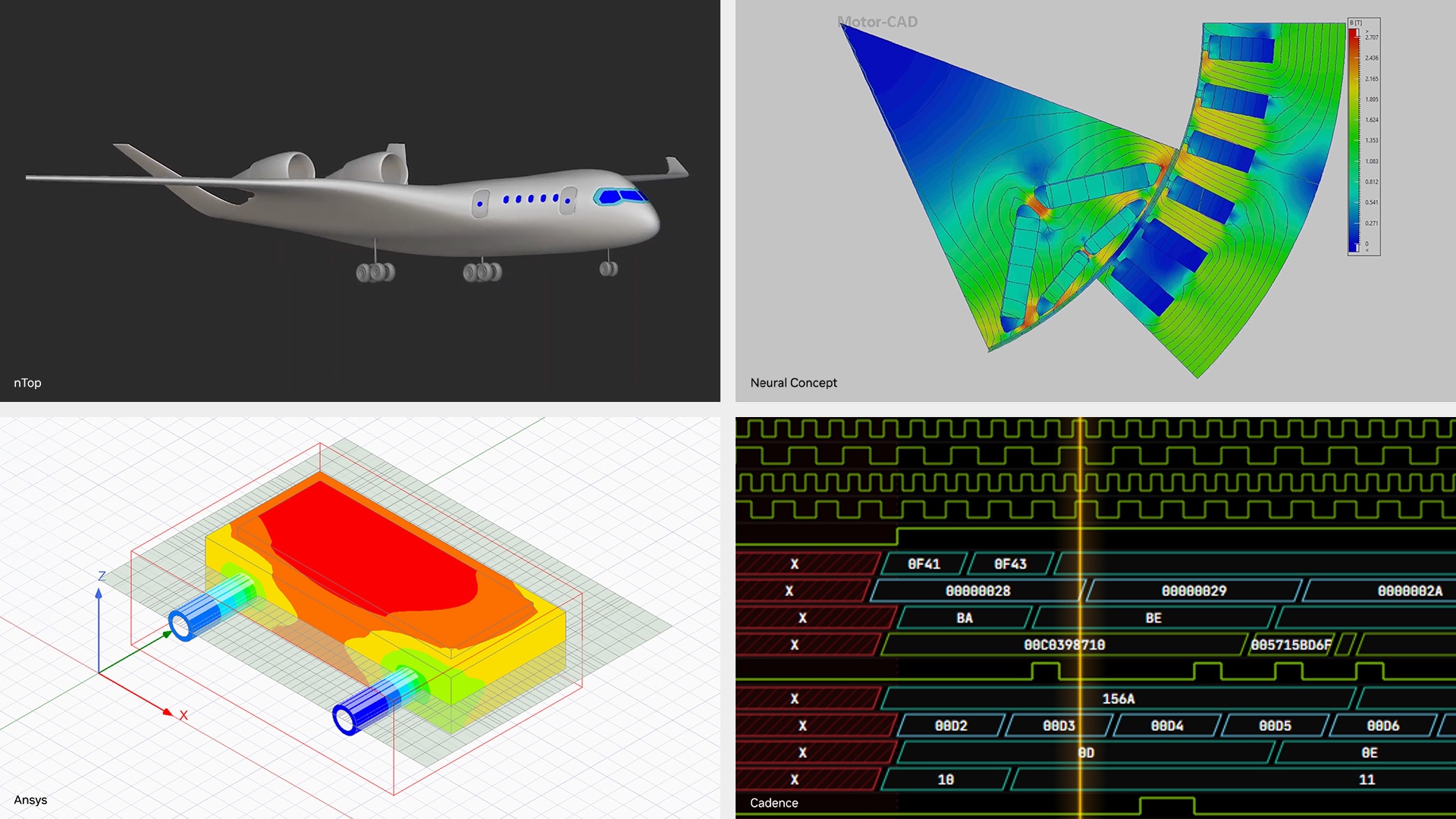
加速コンピューティングが産業エンジニアリングの現場を一変させて久しい。シミュレーションにかかる時間は従来の数週間から数時間へと劇的に圧縮され、設計サイクルの高速化が実現した。しかし NVIDIA によれば、シミュレーション本体の高速化が達成された今、残る課題はその前後に広がるエンドツーエンドのワークフロー自動化だという。そこに切り込むのが、NVIDIA の新たなフレームワーク「NemoClaw」を活用した自律型 AI エンジニアの取り組みだ。
NemoClaw は NVIDIA の NeMo プラットフォームを基盤に構築されており、大規模言語モデル (LLM) をエージェントとして産業ワークフローに組み込むための機能群を提供すると見られる。産業ソフトウェア大手各社はこのフレームワークを使い、設計仕様の解釈からシミュレーション設定、結果解析までを一気通貫で処理できる AI エンジニアの実装を進めている。セキュリティ面でも企業内データを保護しながらモデルを運用できる構成が重視されており、機密性の高い製造・設計データを扱う産業領域特有の要件に応える設計となっている可能性がある。
自律型 AI エージェントを産業エンジニアリングに適用する動きは、2024年以降急速に活発化している。Siemens や Ansys といった大手 CAE/PLM ベンダーも生成 AI の統合を加速しており、設計レビューや障害解析を AI が補助するユースケースが相次いで発表されている。NVIDIA はこうした動向に対し、自社の GPU インフラと AI ソフトウェアスタックを組み合わせたプラットフォームを提供することで、産業 AI の基盤レイヤーを押さえる戦略をとっている。
NVIDIA の NemoClaw を活用し、産業ソフトウェア企業がシミュレーション周辺のエンドツーエンドワークフローを自動化する自律型 AI エンジニアの開発を進めている。
NemoClaw が特徴的なのは、単なる LLM ラッパーではなく、シミュレーションツールや CAD ソフトウェアとの連携を念頭に置いたエージェントオーケストレーション機能を備えている点だ。複数のツールを呼び出しながらタスクを遂行する「ツール使用型エージェント」の設計は、LangChain や AutoGen など汎用フレームワークとも思想を共有しつつ、産業用途に特化した安全性と再現性を担保する方向で差別化が図られていると見られる。
産業 AI の普及における最大の障壁の一つは、エンジニアリング組織における信頼性と説明可能性の確保だ。NemoClaw がどの程度の透明性とオーディット機能を提供するかは今後の詳細発表を待つ必要があるが、セキュアかつ自律的な AI エンジニアという方向性は、製造業のデジタルトランスフォーメーションにおける重要な一歩となる可能性を秘めている。
Accelerated computing has already transformed industrial engineering in meaningful ways — what once took weeks of simulation time now takes hours, thanks to GPU-driven compute. But NVIDIA argues that the simulation itself was never the only bottleneck. The broader engineering workflow surrounding it — interpreting design specs, configuring simulation parameters, analyzing results, and iterating — remains heavily manual. That is the gap NemoClaw is designed to close.
NemoClaw appears to be a framework built on top of NVIDIA's NeMo platform, aimed at deploying large language model-based agents into industrial engineering environments. Rather than simply accelerating a single step, it targets the end-to-end workflow: autonomous AI agents that can handle the full arc from problem definition through simulation setup to result interpretation. Critically, the framework is positioned with enterprise security in mind, allowing organizations to run these agents against sensitive design and manufacturing data without exposing proprietary information to external model providers.
The push to embed autonomous AI agents into industrial software is not happening in a vacuum. Major CAE and PLM vendors — including Siemens, Ansys, and PTC — have all accelerated their generative AI integrations over the past year, introducing AI-assisted design review, fault analysis, and documentation generation. NVIDIA's play with NemoClaw is to position itself not as a competitor to these application vendors, but as the infrastructure and orchestration layer beneath them — the platform on which industrial AI agents are built and run.
What distinguishes NemoClaw from generic agent frameworks like LangChain or Microsoft's AutoGen is likely its tight integration with simulation toolchains and CAD environments, combined with the performance guarantees and auditability that industrial customers demand. Tool-calling agents that can invoke external software — running a CFD solver, querying a materials database, or parsing a CAM output — represent a qualitatively different capability than a chatbot answering engineering questions. The reliability bar is correspondingly higher.
Accelerated computing has revolutionized industrial engineering, compressing simulation times from weeks to hours.
There are still open questions. How NemoClaw handles hallucination risk in safety-critical simulation contexts, what level of explainability it offers for agent decisions, and how it integrates with legacy tooling in brownfield industrial environments will matter enormously to enterprise adoption. The framing of "secure, autonomous AI engineers" is ambitious, and the degree to which that autonomy is supervised or fully independent in practice will shape how quickly the technology sees real-world deployment.
Nonetheless, the direction is clear. As the simulation compute problem has largely been solved by GPU acceleration, the next competitive frontier in industrial software is intelligent workflow automation. NemoClaw represents NVIDIA's bid to own that layer — and with major industrial software partners already building on it, the ecosystem is forming faster than many might have expected.
本ページの本文・要約は AI による自動生成です。正確性は元記事 (blogs.nvidia.com) をご確認ください。