Foundry の「ツールボックス」でユーザーに代わって行動するエージェントを構築するBuilding Agents that Act on Your Behalf with Toolboxes in Foundry
匿名の公開いいねです。記事の保存・お気に入りではなく、Featured、Top 3、重要度、掲載順位には影響しません。仕組みとプライバシーAnonymous public likes are reactions, not saved articles or bookmarks. They do not affect Featured, Top 3, importance, or listing order.How it works and privacy
- Microsoft Foundry にツールボックス機能が追加され、AIエージェントが外部ツールやサービスを呼び出してユーザーの代わりにタスクを自律実行できるようになった。
- これによりエージェント開発の効率と拡張性が大幅に向上する。
Microsoft Foundry introduces Toolboxes, enabling AI agents to call external tools and services autonomously on behalf of users, significantly streamlining how developers build and extend action-oriented agents.
本ページの本文と要約は AI による自動生成です。日本語版と英語版は言語ごとに独立して生成されるため、表現や詳しさが異なる場合があります。正確性は元記事 (devblogs.microsoft.com) をご確認ください。The body and summaries are AI-generated independently for each language, so wording and detail may differ. Verify accuracy at the original source (devblogs.microsoft.com).
要約と収集メタデータに基づく AI 解説。元記事全文の転載・翻訳ではありません。AI explainer based on the summaries and collected metadata, not a copy or translation of the full source article.
Microsoft は AI 開発プラットフォーム Foundry に「ツールボックス (Toolboxes)」機能を追加し、AI エージェントが外部ツールやサービスを呼び出してユーザーの代わりにタスクを自律実行できるようにしたと発表した。単に質問に答えるだけでなく、実際に行動を起こす「アクション指向」のエージェント開発を効率化する狙いがある。
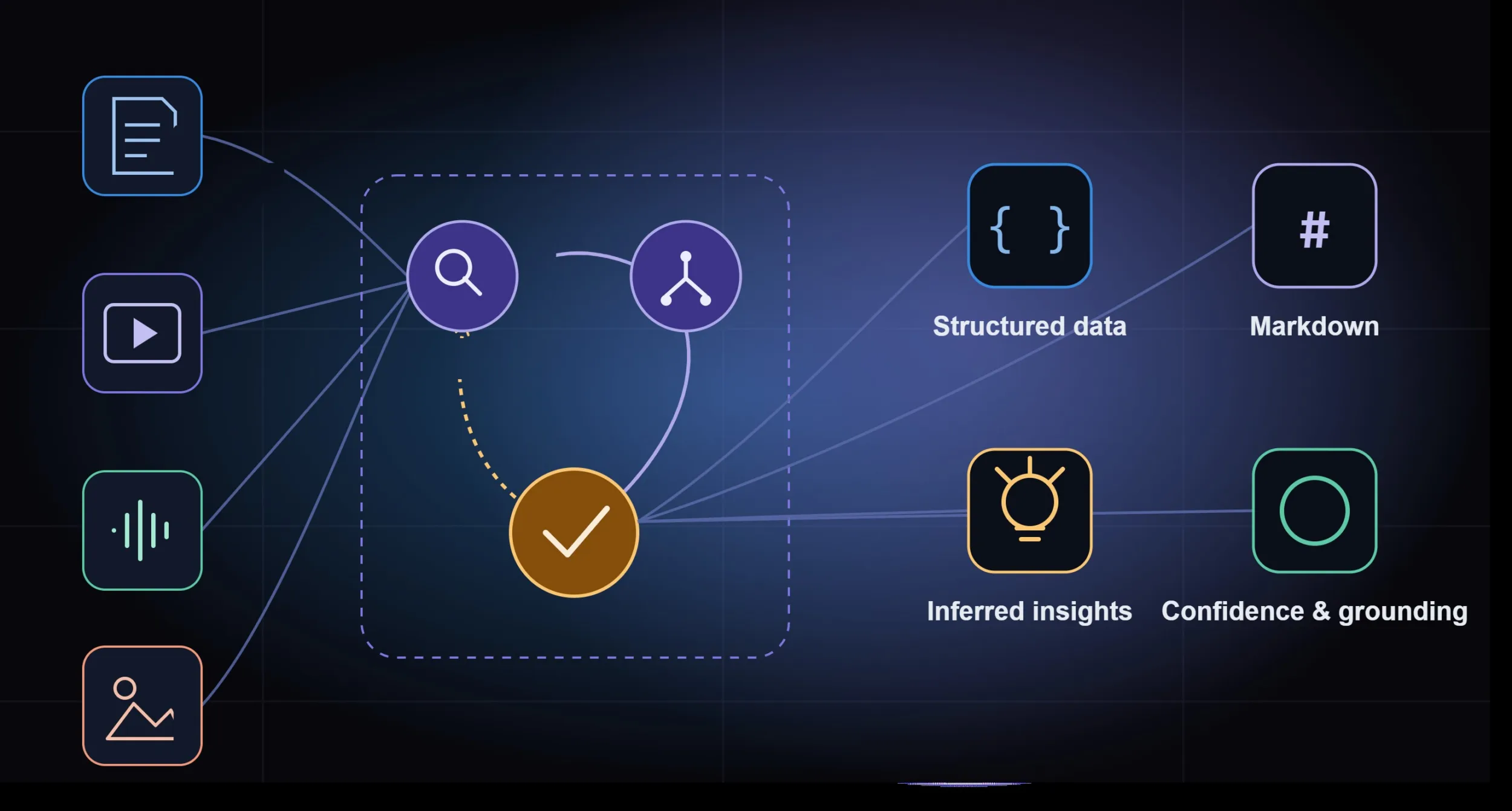
ツールボックスは、エージェントが利用できる外部機能をひとまとまりに管理する仕組みと位置づけられる。従来、開発者はエージェントに何らかの操作を行わせる際、API 呼び出しや認証、入出力の整形などを個別に組み込む必要があった。ツールボックスはこうした複数のツールを束ねて再利用可能な単位として扱えるようにするもので、エージェントが状況に応じて適切なツールを選び、実行し、結果を次の判断に反映するといった一連の流れを組みやすくなると見られる。これにより開発の手数が減り、拡張性も高まると説明されている。
背景には、大規模言語モデル (LLM) が推論だけでなく「ツール呼び出し (function calling / tool calling)」を通じて外部システムと連携する流れの広がりがある。モデル単体では最新のデータ取得や社内システムへの書き込みといった副作用を伴う処理はできないため、外部ツールと安全に接続する層が重要になっている。近年注目される Model Context Protocol (MCP) のように、モデルとツールをつなぐ標準的な枠組みを整備する動きも各所で進んでおり、Foundry のツールボックスもこうした潮流の一環と捉えられる。
他社の動向を見ても、OpenAI は Assistants API や関数呼び出し、Google は Vertex AI におけるエージェント機能など、モデルにツール利用能力を持たせる取り組みを競って進めている。Microsoft は Foundry を軸に、Azure のクラウド基盤や既存の企業向けサービスとの統合を強みとする戦略と見られ、ツールボックスはその上でエージェントを実運用へ近づける部品として機能する可能性がある。
一方で、ユーザーに代わって自律的に行動するエージェントには相応の注意も求められる。誤ったツール実行や意図しない副作用、権限管理、機密データの扱いといった課題は依然として残る。実際の効果や安全性、既存の Foundry エージェント機能との使い分けについては、今後の詳細なドキュメントや開発者の検証を通じて明らかになっていくとみられる。行動するエージェントの実用性を左右する要素として、こうした運用面の設計が引き続き問われることになりそうだ。
Microsoft has introduced a feature called Toolboxes in Microsoft Foundry, its platform for building and operating AI agents. The addition is aimed at a persistent challenge in agent development: giving language-model-driven systems a reliable, structured way to call external tools and services so they can take real actions on a user's behalf rather than merely generating text. For developers building action-oriented agents, this matters because tool integration is often the most fragile and time-consuming part of moving from a chatbot prototype to a system that can complete tasks.
At a high level, a Toolbox is a curated collection of tools that an agent can access and invoke. Instead of wiring each external capability into an agent individually and writing custom code to describe when and how it should be used, developers can group related tools together and expose them to the agent as a managed unit. The agent's underlying model then reasons over the available tools, selects the appropriate one for a given step, formats the required inputs, and interprets the results. This pattern reflects a broader industry shift toward what is commonly called tool use or function calling, where the model does not perform the action itself but decides which external function to trigger and with what arguments.
The practical appeal is efficiency and extensibility. By treating tools as reusable, packaged components, teams can standardize how capabilities are defined, permissioned, and shared across multiple agents. According to Microsoft's framing, this is intended to streamline how developers build and extend agents, reducing the boilerplate involved in each new integration. It also appears designed to make agents easier to maintain over time, since a tool can be updated in one place rather than in every agent that relies on it.
Toolboxes fit into a wider set of concepts that developers working with Foundry will likely encounter. Agents in these systems typically combine a model, a set of instructions or a system prompt, memory or state, and a mechanism for taking actions. Tools are the action mechanism. Many modern platforms also lean on standards and conventions for describing tools in a machine-readable way, so the model understands each tool's name, purpose, and expected parameters. The emergence of shared approaches such as the Model Context Protocol elsewhere in the industry signals growing interest in interoperable ways to connect models to external data and functions, and Toolboxes can be seen as Microsoft's managed take on the same underlying need.
The autonomy aspect deserves careful framing. When an agent can call external services on its own, questions of trust, safety, and control become central. Actions taken on behalf of a user, such as sending messages, modifying records, or querying sensitive systems, carry consequences that a purely conversational assistant does not. Enterprises adopting such capabilities generally need clear controls over which tools an agent may use, what data it can access, and how its actions are authenticated and audited. Microsoft positions Foundry within its Azure AI ecosystem, which is likely to bring associated identity, governance, and monitoring features into play, though the specifics of how Toolboxes handle permissions and oversight would need to be confirmed against the official documentation.
It is worth noting where this sits in Microsoft's broader strategy. The company has been expanding its Copilot and agent offerings across products, and Foundry represents the developer-facing layer for constructing custom agents rather than consuming prebuilt assistants. Toolboxes appear intended to serve teams that want to build bespoke agents tailored to their own systems and workflows, complementing higher-level Copilot experiences aimed at end users.
For developers evaluating the feature, the key considerations are likely to be how tools are authored and registered, how the platform manages errors and retries when a tool call fails, and how well the model's tool selection performs in complex, multi-step tasks. Reliability in real workflows depends heavily on clear tool descriptions and robust handling of edge cases. As with any capability that lets an AI system act autonomously, organizations will want to pilot carefully, validate behavior against realistic scenarios, and ensure appropriate human oversight before granting agents access to consequential actions.
ポコとTECHガイドPoko & TECH Guide
ポコと当サイトのTECHガイドが、記事の要約と収集した情報から読みどころを語るAI生成の対話です。Poko and TECH Dashboard's own TECH Guide discuss the article's highlights in an AI-generated conversation based on its summary and collected source details.
- ポコPoko「ユーザーに代わって行動する」って、質問に答えるだけじゃないの?What does “act on the user’s behalf” mean? Is it more than just answering questions?
- TECHガイドTECH Guide記事によれば、ツールボックスを使い、外部ツールやサービスを呼び出してタスクを自律実行することじゃよ。According to the article, Toolboxes let agents call external tools and services to carry out tasks autonomously for users.
- ポコPokoへえ、それって開発者には何がうれしいの?誰の権限で動くかも気になる!Wow! What’s the benefit for developers? And I’m curious whose identity or permissions the agent uses.
- TECHガイドTECH Guide開発と拡張が効率化するのが利点じゃな。一方、記事は「誰のIDで行動するか」が重要になると示しておる。The benefit is more efficient development and easier extension. But the article also highlights an important question: whose identity is the agent acting under?
- ポコPokoつまり、AIがサービスとつながって、回答役から実行役へ進む仕組みなんだね。So it’s a way for AI to connect with services and move from answering questions to actually taking action.
- TECHガイドTECH Guideその通りじゃ。保護されたMCPサーバーなどを使う際、ユーザー委任とIDをどう扱うかが見どころじゃよ。Exactly. A key point to watch is how user delegation and identity are handled when agents access protected MCP servers and other services.