シングル呼び出しからエージェントへ:Microsoft FoundryでClaudeの5つの新機能が利用可能にFrom single call to agents: five new Claude capabilities now available in Microsoft Foundry
匿名の公開いいねです。記事の保存・お気に入りではなく、Featured、Top 3、重要度、掲載順位には影響しません。仕組みとプライバシーAnonymous public likes are reactions, not saved articles or bookmarks. They do not affect Featured, Top 3, importance, or listing order.How it works and privacy
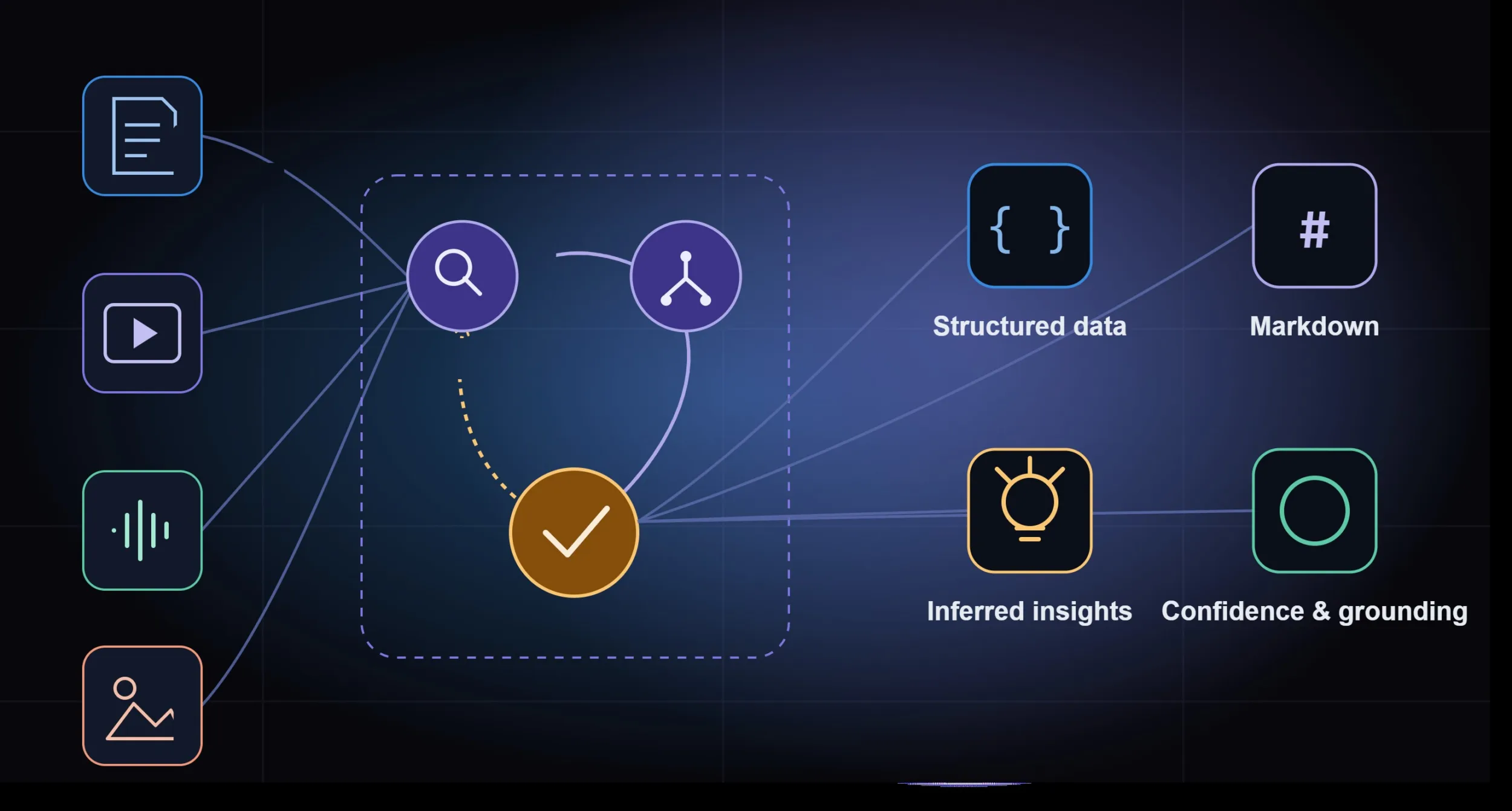
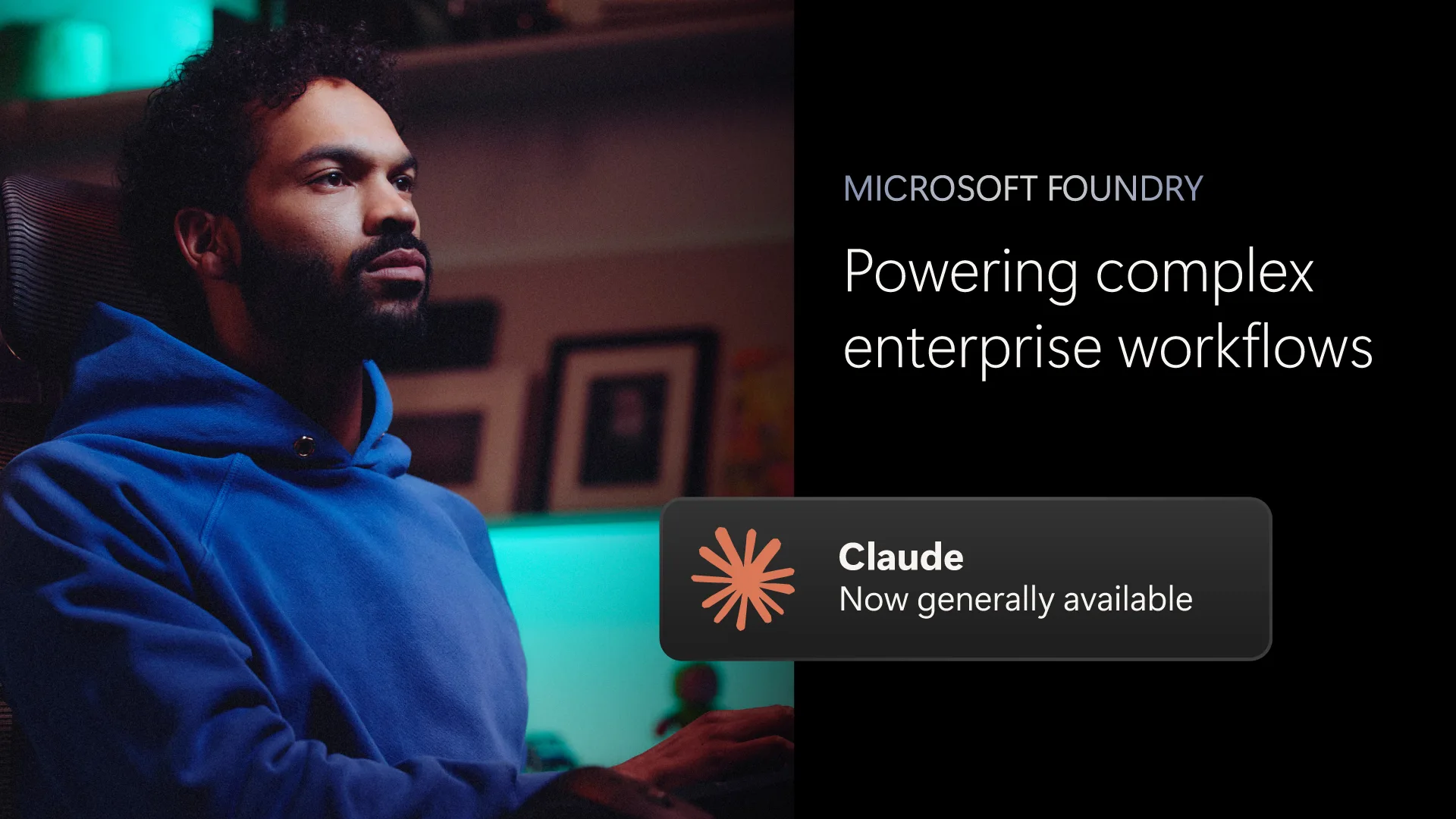
Microsoft FoundryのAzureホスト型Claudeモデルに、構造化出力・Web検索・Webフェッチ・MCPコネクタ・ツール検索の5機能が追加され、モデルエンドポイントが本番向けエージェント基盤へと進化した。
Microsoft Foundry now offers five new capabilities for Claude on Azure—structured outputs, web search, web fetch, an MCP connector, and tool search—elevating the model endpoint into a full production agent platform.
本ページの本文と要約は AI による自動生成です。日本語版と英語版は言語ごとに独立して生成されるため、表現や詳しさが異なる場合があります。正確性は元記事 (devblogs.microsoft.com) をご確認ください。The body and summaries are AI-generated independently for each language, so wording and detail may differ. Verify accuracy at the original source (devblogs.microsoft.com).
要約と収集メタデータに基づく AI 解説。元記事全文の転載・翻訳ではありません。AI explainer based on the summaries and collected metadata, not a copy or translation of the full source article.
Microsoftは、開発者向けクラウド基盤「Microsoft Foundry」上でAzureにホストされるAnthropic製のClaudeモデルに、5つの新機能を追加した。単一の推論呼び出しにとどまっていたモデルエンドポイントを、本番運用に耐えるエージェント基盤へと引き上げることを狙った取り組みだ。
追加されたのは、構造化出力(structured outputs)、Web検索(web search)、Webフェッチ(web fetch)、MCPコネクタ、そしてツール検索(tool search)の5つ。いずれも、モデルが単発の応答を返すだけでなく、外部情報を取得したり複数のツールを呼び分けたりする「エージェント的」な動作を支える機能群と位置づけられる。
構造化出力は、モデルの応答をJSONのような所定のスキーマに沿った形式で受け取れるようにするもので、アプリケーションへの組み込み時に出力の解析や検証を安定させやすくなると見られる。Web検索とWebフェッチは、モデルが外部の情報にアクセスしたり、指定した内容を取り込んだりする用途を想定した機能とみられる。
MCPコネクタは、Anthropicが提唱するModel Context Protocol(MCP)に対応する仕組みだ。MCPは、AIモデルと外部データソースやツールを標準化された方法で接続するためのオープンな規格で、対応が広がればツール連携の実装が簡素化される可能性がある。ツール検索は、多数のツールの中から状況に応じて適切なものを見つけ出す役割を担うとみられ、利用可能なツールが増えるほど有用性が高まると考えられる。
背景には、生成AIの活用が単純な質疑応答から、複数ステップの処理や外部システムとの連携を伴う「エージェント」へと重心を移しつつある状況がある。各社が同様の方向性を打ち出すなか、Microsoftも自社の開発者向け基盤でこの流れに沿った機能を拡充している格好だ。
ClaudeはもともとAnthropicのAIモデルだが、Azure上でホストされることで、Microsoftのクラウド環境や運用ツールと組み合わせて利用できる点が特徴となる。今回の機能追加により、開発者はモデルを呼び出す段階から、実運用を見据えたエージェントの構築へと踏み込みやすくなると見られる。
Microsoft has expanded the set of capabilities available to Claude models running inside Microsoft Foundry, adding five features that collectively move the service beyond simple request-and-response usage toward building autonomous agents. For teams already running Anthropic's Claude on Azure, the update matters because it reduces the amount of surrounding infrastructure they need to assemble themselves to take a model from a prototype to a production system.
According to Microsoft, structured outputs, web search, web fetch, an MCP connector, and tool search are now available for Claude models hosted on Azure in Microsoft Foundry. The company frames the change as turning a model endpoint into a production agent platform, which is the reasoning behind the "from single call to agents" description. Each of the five features addresses a different part of that transition, and together they target common gaps between a raw model call and a dependable application.
Structured outputs constrain a model's response to a predefined schema, typically expressed as JSON. This is aimed at reliability: when a model's output must feed directly into downstream software, databases, or APIs, free-form text is fragile and error-prone. Enforcing a schema makes the response easier to parse and validate, which is often a prerequisite for production workflows that cannot tolerate malformed data.
Web search and web fetch both address grounding, the practice of connecting a model to current information rather than relying solely on its training data. Web search allows the model to issue queries and incorporate results, while web fetch retrieves the contents of specific URLs. These tools help mitigate outdated answers and can support use cases where responses need to reflect recent events or reference material the model has not seen.
The MCP connector brings support for the Model Context Protocol, an open standard originally introduced by Anthropic for connecting AI models to external tools and data sources through a consistent interface. MCP has gained traction across the industry as a way to avoid building bespoke integrations for every data source, and its inclusion here suggests Foundry is aligning with that emerging convention rather than requiring a proprietary approach. In practice, an MCP connector lets a Claude-based agent reach servers that expose tools, files, or services in a standardized way.
Tool search addresses a scaling problem that appears once an agent has access to many tools. Loading every tool definition into a model's context consumes tokens and can degrade the model's ability to select the right one. Tool search appears designed to let the model discover and retrieve only the relevant tool definitions when needed, which is likely to help agents that operate over large tool catalogs remain efficient and accurate.
For context, Microsoft Foundry is the company's platform for building, evaluating, and deploying AI applications, and it hosts models from multiple providers alongside Microsoft's own tooling. Offering Anthropic's Claude on Azure fits a broader pattern in which cloud providers position themselves as neutral hosts for several model families, giving customers a choice of underlying models while keeping billing, security, and compliance within a single environment. The additions announced here are consistent with a wider industry shift toward server-side tools and agentic features being packaged with the model endpoint itself, rather than left entirely to application developers.
The move also reflects how quickly the notion of an "agent" has become central to enterprise AI. Structured outputs, retrieval from the web, standardized tool connections, and tool selection are recurring components in most agent frameworks, and providers increasingly compete on how much of that plumbing they supply out of the box. By bundling these five capabilities, Microsoft is reducing the integration burden for teams that want Claude to take actions, call external systems, and return machine-readable results rather than simply generate text.
As with any platform update, the practical value will depend on details such as regional availability, supported Claude model versions, pricing, and how the features behave under real workloads. Organizations evaluating the update would be well served to confirm those specifics against Microsoft's documentation before committing production systems to the new capabilities.
ポコとTECHガイドPoko & TECH Guide
ポコと当サイトのTECHガイドが、記事の要約と収集した情報から読みどころを語るAI生成の対話です。Poko and TECH Dashboard's own TECH Guide discuss the article's highlights in an AI-generated conversation based on its summary and collected source details.
- ポコPoko5つの新機能って、それぞれ何をするの?「構造化出力」や「MCPコネクタ」が特に分からない!What do these five new capabilities actually do? I’m especially confused by “structured outputs” and the “MCP connector.”
- TECHガイドTECH Guide簡単に言うと、構造化出力は決まった形式で答えを返す機能じゃ。記事によれば、Web検索・取得、MCPコネクタ、ツール検索も加わったぞ。Simply put, structured outputs return answers in a set format. According to the article, Claude also gained web search, web fetch, an MCP connector, and tool search.
- ポコPokoへえ、機能が増えると何がうれしいの?「エージェント基盤になる」って、つまりどういうこと?That sounds useful, but what’s the real benefit? What does it mean for the endpoint to become an “agent platform”?
- TECHガイドTECH Guide記事の範囲では、単にモデルを呼び出すだけでなく、Webやツールを使って作業するエージェントを作れる基盤になった、ということじゃよ。Within the article’s scope, it means the endpoint is no longer just for calling a model—it can underpin agents that work with the web and tools.
- ポコPokoつまり、Azure上のClaudeが答えるだけじゃなく、情報やツールも扱えるようになったんだね。かなり役割が広がった感じ!So Claude on Azure can do more than answer—it can also work with information and tools. That feels like a much broader role!
- TECHガイドTECH Guideその理解でよいぞ。記事が示すのは5機能の提供と本番向け基盤への進化までで、実際にどう活用されるかが今後の見どころじゃな。Exactly. The article confirms the five capabilities and the shift toward a production agent platform; how they’re used in practice will be the next thing to watch.