業界リーダーがAIの安全性確保に向け「Open Secure AI Alliance」を結成Industry Leaders Unite in Open Secure AI Alliance for AI Safety and Security
匿名の公開いいねです。記事の保存・お気に入りではなく、Featured、Top 3、重要度、掲載順位には影響しません。仕組みとプライバシーAnonymous public likes are reactions, not saved articles or bookmarks. They do not affect Featured, Top 3, importance, or listing order.How it works and privacy
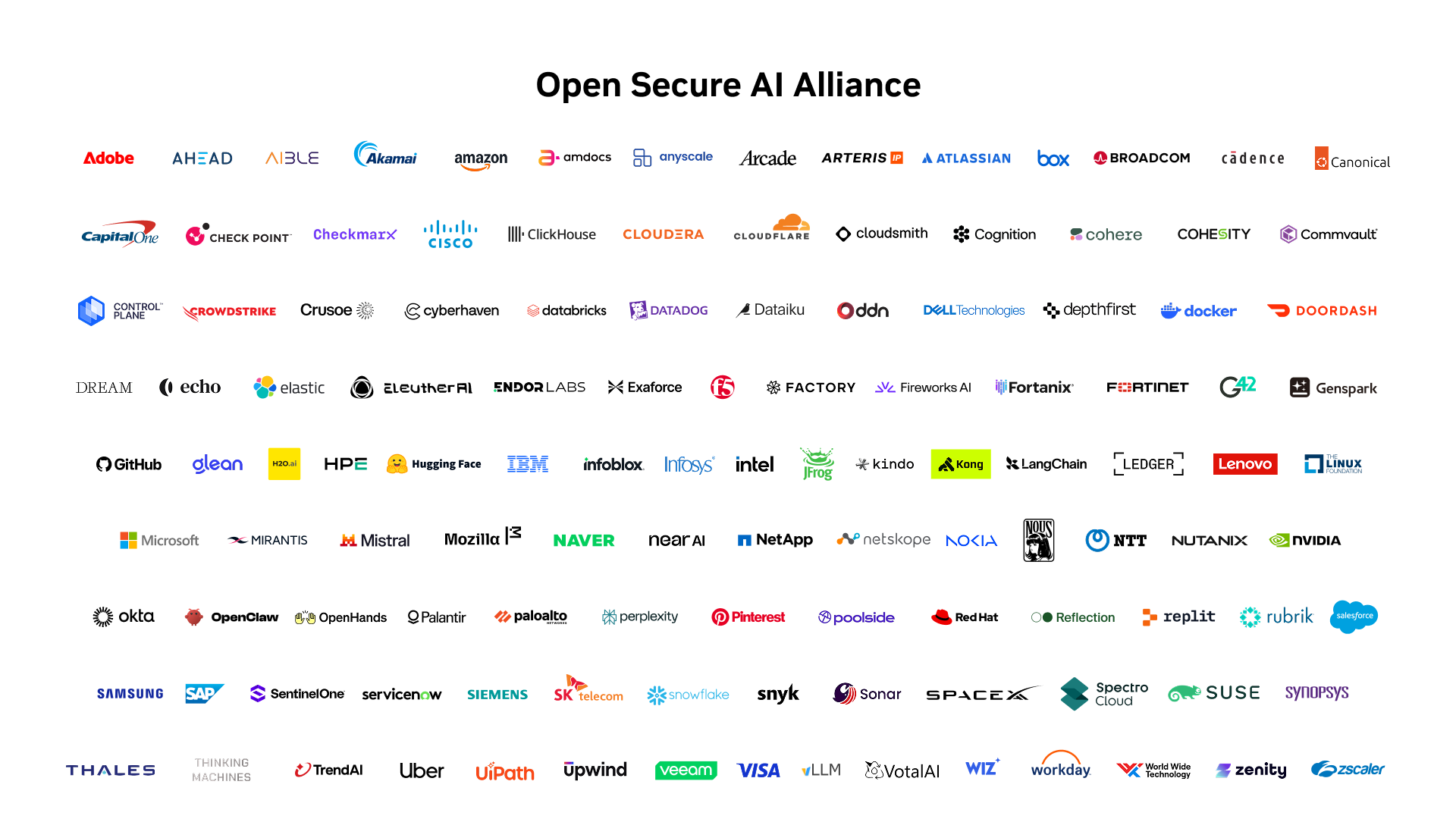
- 主要テック企業がAIの安全性とセキュリティを強化するためOpen Secure AI Allianceを設立した。
- 業界横断の連携により、AIシステムの信頼性向上と標準化が期待される。
Major industry players have formed the Open Secure AI Alliance to collaboratively address AI safety and security challenges, signaling a shift toward standardized, cross-company governance of AI systems.
本ページの本文と要約は AI による自動生成です。日本語版と英語版は言語ごとに独立して生成されるため、表現や詳しさが異なる場合があります。正確性は元記事 (blogs.nvidia.com) をご確認ください。The body and summaries are AI-generated independently for each language, so wording and detail may differ. Verify accuracy at the original source (blogs.nvidia.com).
要約と収集メタデータに基づく AI 解説。元記事全文の転載・翻訳ではありません。AI explainer based on the summaries and collected metadata, not a copy or translation of the full source article.
主要なテクノロジー企業が、AIの安全性とセキュリティを協調して高めることを目的に「Open Secure AI Alliance」を結成した。個々の企業が独自に取り組んできたAIのリスク対策を、業界横断の枠組みへと押し上げる動きであり、生成AIの社会実装が進む中で信頼性と標準化を担保する試みとして注目される。
このアライアンスは、AIシステムに固有のセキュリティ課題に共同で対処することを掲げている。具体的には、モデルへの敵対的攻撃やプロンプトインジェクション、学習データの汚染、推論時の情報漏えいといったリスクが想定される領域だと見られる。従来のソフトウェアセキュリティとは異なり、AIは挙動が確率的で、脆弱性の把握や検証が難しい。こうした特性を踏まえ、共通の評価手法やベストプラクティスを整備しようとする狙いがあると考えられる。
背景には、AIガバナンスをめぐる規制と業界の自主的取り組みの双方が加速している状況がある。欧州連合のAI法(EU AI Act)や、米国における大統領令に基づくリスク評価の枠組みなど、公的な規範づくりが進む一方で、技術の変化に規制が追いつきにくいという課題も指摘されてきた。企業間で標準やツールを共有する枠組みは、こうした空白を埋める補完的な役割を果たす可能性がある。
類似の動きはこれまでにも見られる。安全なフロンティアモデルの推進を掲げる「Frontier Model Forum」や、責任あるAIの実装を議論する業界団体、さらにはコンテンツの出所を検証する技術標準を策定するC2PAなど、目的や範囲の異なる連携が複数併存している。今回のアライアンスがオープンソースを重視する点は、検証可能性や再現性を高め、幅広い開発者コミュニティの参加を促す狙いがあると見られるが、既存の取り組みとの役割分担や重複は今後の焦点になりそうだ。
一般に、こうしたアライアンスの実効性は、参加企業の顔ぶれや、成果物がどれだけ実際の製品や運用に組み込まれるかに左右される。共通仕様や監査ツールがオープンな形で提供されれば、スタートアップや研究機関も含めた広い範囲で安全対策の底上げにつながる可能性がある。一方で、標準化が過度に特定のアーキテクチャや大手企業の利害に傾く懸念や、実装コストの負担といった論点も残る。今後、具体的な技術仕様やロードマップがどの程度公開されるかが、取り組みの真価を測る手がかりになるだろう。
A coalition of major technology companies has formed the Open Secure AI Alliance, an industry group focused on strengthening the safety and security of artificial intelligence systems. The move signals a growing recognition that securing AI is not a problem any single vendor can solve alone, and that shared standards and interoperable tooling may be necessary as AI is deployed across critical infrastructure, enterprise workflows, and consumer products.
According to the announcement, the alliance brings together several industry leaders to collaborate on common frameworks, reference architectures, and best practices for building and operating AI systems that are more resilient to attack and misuse. The stated goals appear to center on standardization: aligning terminology, defining threat models specific to AI, and developing shared approaches to testing, monitoring, and hardening models throughout their lifecycle. Cross-company governance of this kind is intended to reduce fragmentation, where each provider implements its own incompatible security controls.
The distinction between AI safety and AI security is worth clarifying, because the alliance's name invokes both. Security generally refers to protecting systems from adversarial threats, such as prompt injection, data poisoning, model theft, or the extraction of sensitive training data. Safety more often concerns ensuring that a model behaves as intended and does not produce harmful, biased, or unreliable outputs. In practice the two overlap considerably, particularly as agentic AI systems begin to take real-world actions, call external tools, and access private data. A compromised or manipulated agent is both a security and a safety problem.
The emphasis on open collaboration places the effort within a broader trend toward transparency in AI development. Open-source model weights, open datasets, and open evaluation benchmarks have become increasingly common, and an open approach to security tooling would be a logical extension. Open frameworks allow independent researchers to scrutinize methods, reproduce results, and contribute improvements, which can accelerate the maturation of defenses. That said, openness in security carries a familiar tension: publishing detailed threat information and defensive techniques can also inform attackers, so the alliance will likely need to balance disclosure with responsible practices.
The initiative does not exist in isolation. A number of adjacent efforts have emerged in recent years to address AI risk. Government-backed bodies such as national AI safety institutes have begun publishing evaluation guidance, and standards organizations including NIST have released risk management frameworks intended to help organizations assess and mitigate AI-related harms. Nonprofit and industry consortia have also formed to study frontier model risks and to promote responsible deployment. Security-focused communities have started cataloging AI-specific vulnerabilities, drawing on the same collaborative model that has long underpinned traditional software security. The Open Secure AI Alliance appears designed to complement rather than replace these initiatives, focusing specifically on the operational security of AI systems.
Technically, securing modern AI involves several layers. At the data layer, organizations must guard against training data being tampered with or exfiltrated. At the model layer, techniques such as red-teaming, adversarial testing, and guardrail systems are used to probe for weaknesses and constrain outputs. At the infrastructure layer, the hardware and software stack that runs inference and training must be protected, including the increasingly important supply chain for accelerators and orchestration software. As AI workloads concentrate on specialized computing platforms, vendors that supply that infrastructure have a direct interest in ensuring the surrounding ecosystem is secure, which helps explain industry participation in efforts of this kind.
It remains too early to judge the alliance's practical impact. The success of any standards body depends on broad adoption, the quality and neutrality of its outputs, and whether competing companies can align despite commercial rivalries. Similar consortia in other domains have sometimes produced widely adopted standards and at other times fragmented into overlapping specifications. Key open questions include which specific deliverables the alliance will publish, how membership and governance will be structured, and how its work will interact with emerging regulation such as regional AI laws.
For organizations building or deploying AI, the formation of the group is a useful signal that security and safety are moving from an afterthought toward a shared engineering discipline. Whether the Open Secure AI Alliance becomes a durable, influential body or one of several parallel efforts will depend on the concrete standards it delivers and the willingness of the wider industry to implement them.
ポコとTECHガイドPoko & TECH Guide
ポコと当サイトのTECHガイドが、記事の要約と収集した情報から読みどころを語るAI生成の対話です。Poko and TECH Dashboard's own TECH Guide discuss the article's highlights in an AI-generated conversation based on its summary and collected source details.
- ポコPokoOpen Secure AI Allianceって何? 企業が一緒にAIを守るための集まりなの?What is the Open Secure AI Alliance? Is it basically a group of companies working together to protect AI?
- TECHガイドTECH Guide簡単に言うとじゃな、主要テック企業がAIの安全性とセキュリティの課題に共同で取り組むため設立した連携組織じゃよ。Simply put, the article says it’s an alliance formed by major tech companies to tackle AI safety and security challenges together.
- ポコPoko会社をまたいで協力すると、何が嬉しいの? それぞれで対策するのとは違う?What’s the benefit of working across companies? How is that different from each company handling safety on its own?
- TECHガイドTECH Guide記事では、業界横断の連携によってAIシステムの信頼性向上と標準化が期待されておる。共通の考え方で管理する動きということじゃな。The article says cross-industry collaboration could improve AI system reliability and standardization. In plain terms, it points toward managing AI with more shared approaches.
- ポコPokoなるほど! AIの安全を一社だけの課題にせず、業界で共通のやり方を目指す動きなんだね。Got it! So instead of treating AI safety as one company’s problem, the industry is moving toward shared ways of handling it.
- TECHガイドTECH Guideその理解でよいぞ。今後は連携が実際にどんな標準化や信頼性向上につながるかが見どころじゃが、現時点では期待として示されておる点に注意じゃ。Exactly. The key will be whether this collaboration leads to real standardization and greater reliability, though the article presents those outcomes as expectations, not established results.